

Kobudo Sai: Traditional Weapons for Okinawan Martial Arts
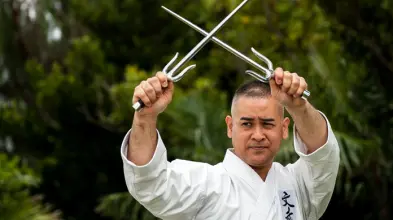
Explore our selection of Kobudo sai at Budo Fight, designed for practicing traditional Okinawan martial arts. Usually used in pairs, sai are iconic Kobudo weapons, ideal for studying techniques, combinations, and katas.
Whether you are a beginner or an advanced practitioner, discover martial arts sai suitable for all skill levels. Choosing a pair of sai depends on length, weight, balance, and your instructor’s recommendations.
Complete your gear with our range of Kobudo weapons, featuring various equipment for training with traditional weapons.
At Budo Fight, we help you select your training sai for Kobudo and martial arts, so you can practice in conditions suited to your discipline.
What Is a Kobudo Sai?
The sai is a traditional weapon closely associated with Okinawan Kobudo.
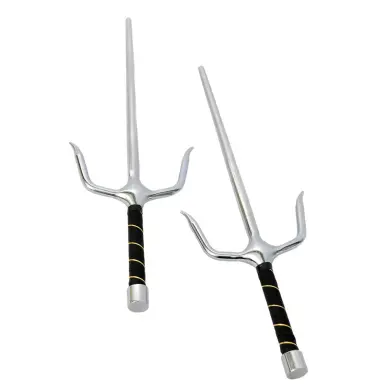
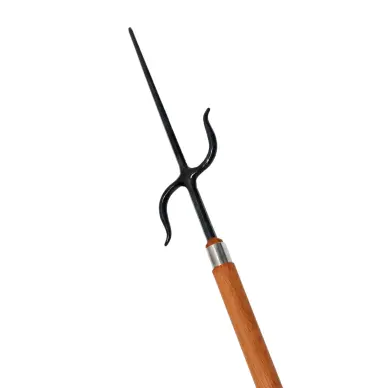
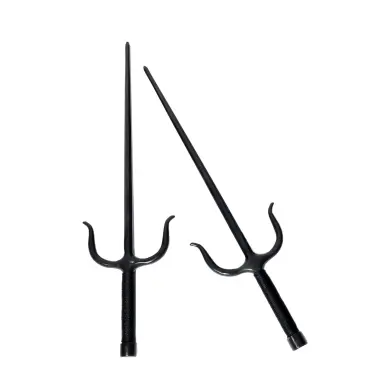
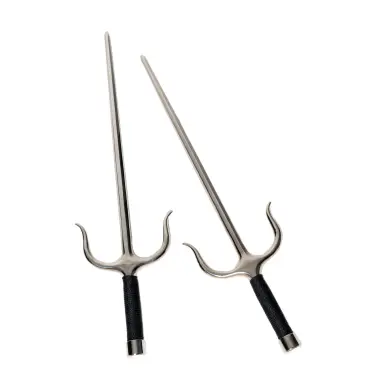
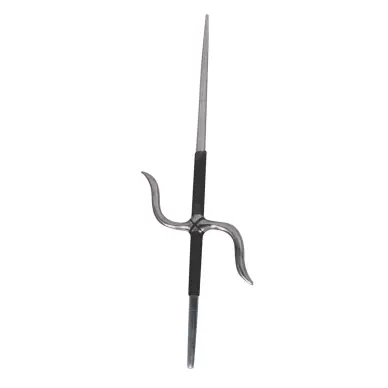
It is recognized by its distinctive shape, featuring a central rod and two curved side prongs near the handle.
Unlike some traditional weapons with sharp blades, the sai usually has a blunt rod. However, it remains a rigid weapon that requires careful handling.
In Kobudo practice, sai are typically used in pairs. Their use relies on coordination, precision, and mastery of movement.
What Is the Origin of the Sai?
The sai is closely linked to the history of Okinawan martial arts, where it is one of the traditional weapons studied in various Kobudo schools.
Today, it is mainly used for martial training, kata study, and traditional demonstrations.
The sai thus holds an important place among the equipment associated with karate and traditional martial arts.
Kobudo Sai: For Training and Katas
Kobudo sai are used to learn and perfect techniques specific to different schools.
Their handling requires good coordination between the hands, arms, and body movements.
In a supervised training environment, practice can help develop:
Movement coordination, especially during combinations.
Precision of movement, essential for performing katas.
Focus, necessary for handling a traditional weapon.
Mastery of grip changes, according to the techniques taught.
Smooth movement, in connection with technical work.
Training methods and forms may vary depending on the Kobudo school.
To progress in your practice, always follow your instructor’s advice and your discipline’s requirements.
How to Choose Your Kobudo Sai?
When choosing a pair of sai, several features should be considered.
Length, weight, balance, handle, and materials all affect how the weapon feels in use.
The Length of the Sai
The length of the sai is a key factor.
It must suit your body type and your school’s recommendations.
A sai that is too long or too short can make some movements less comfortable and hinder learning.
Before buying, check the dimensions listed on the product page and ask your instructor for advice.
Weight and Balance
Weight affects grip and comfort during training.
A heavier model is not always better for advanced practitioners.
The overall balance of the weapon is also important for combinations and controlled movements.
The Handle and Grip
The shape and coating of the handle can vary by model.
A comfortable grip makes handling easier during training exercises.
Also check the quality of the finish and make sure there are no defects that could hinder use.
Materials and Finish
Traditional sai are usually made of metal.
Depending on the model, they may feature different finishes and manufacturing details.
Your choice depends on your discipline, preferences, and intended use.
Sai for Beginners: Which Model to Choose?
If you are new to Kobudo, choose training sai for beginners that match your instructor’s recommendations.
It’s important to select a model suited to your body type and skill level.
Before buying your first pair of sai, ask your club about:
The recommended length for your body type.
The appropriate weight for your skill level.
The handle type used in your school.
The required features for training and kata.
The safety rules applicable during classes.
Learning to use the sai should be done gradually, in a suitable environment and under the supervision of a qualified instructor.
Sai for Advanced Practitioners
Experienced practitioners may look for more specific features depending on their school and personal preferences.
Choosing a pair of sais for Kobudo can depend on balance, dimensions, and grip comfort.
For demonstrations and kata, it is important to select equipment that meets your instructor’s expectations and any applicable regulations.
Technical mastery remains essential, regardless of the model used.
Why are sais usually sold in pairs?
In many Kobudo schools, sais are traditionally used in pairs.
This characteristic sets them apart from some other traditional weapons.
Training with two sais requires precise coordination and specialized learning.
When purchasing, always check whether the product listing refers to a single sai or a pair of sais.
This information is important to choose the right quantity for your training.
Sai, nunchaku, and other Kobudo weapons: what are the differences?
Kobudo includes several traditional weapons, each with its own unique features.
The sai is distinguished by its rigid central prong and two side branches.
The nunchakuconsists of two sticks connected by a rope or chain.
The bois a long staff used in various traditional martial arts schools.
These pieces of equipment correspond to different training methods and are not interchangeable.
To discover more traditional weapons, check out our selection of nunchakus and our range of martial arts weapons.
How to practice sai safely?
The Kobudo sai is a rigid weapon that requires special precautions.
Even when intended for training, it can cause injuries if mishandled.
To train safely:
Follow the instructions of a qualified instructor.
Use a clear space suitable for the planned exercises.
Maintain safe distances between practitioners.
Check the condition of your sais before each session.
Avoid unsupervised use if you have not mastered the basics.
Follow your club’s guidelines and the rules of your discipline.
Using suitable equipment never completely eliminates risk.
How to care for your Kobudo sais?
Regular maintenance helps preserve the condition of your martial arts sais.
After training, wipe the surfaces with a suitable cloth to remove any moisture.
Store your sais in a dry place and regularly check their overall condition.
Depending on the materials and finishes, specific precautions may be needed to prevent corrosion.
Follow the manufacturer’s recommendations and avoid cleaning products that could damage the coating or handle.
If you notice any cracks, deformation, or major defects, stop using the equipment.
What regulations apply to sais in France?
Kobudo sais may be subject to French weapons regulations, depending on their features and legal classification.
The rules regarding acquisition, possession, carrying, and transport should be distinguished.
Before buying or transporting sais, check the regulations that apply to your situation.
Practicing a martial art does not automatically justify carrying a weapon in public spaces.
FAQ – Frequently Asked Questions about Kobudo Sais
What is a sai in martial arts?
The sai is a traditional weapon associated with Okinawan Kobudo. It features a rigid central prong and two characteristic side branches.
Are sais used in pairs?
Yes, in many Kobudo schools, sais are generally used in pairs. However, always check if the product is sold individually or as a pair.
What length of sai should I choose?
The length should match your body type and your instructor’s recommendations. Check the product dimensions before ordering.
Can beginners learn to use the sai?
Yes, learning the sai can be part of Kobudo training. However, it should be supervised by a qualified instructor and adapted to the practitioner’s level.
What is the difference between a sai and a nunchaku?
The sai is a rigid weapon made up of a central rod and two side prongs. The nunchaku features two sticks connected by a rope or chain.
Are sais suitable for katas?
Yes, sais are used in the practice of traditional Kobudo katas. The techniques and forms taught depend on the school you train in.
How do you maintain metal sais?
Wipe them down after use, store them in a dry place, and follow the manufacturer's care instructions.
Shop your Kobudo sais at Budo Fight
Since 1963, Budo Fight has been supporting martial arts practitioners in choosing their equipment.
Our selection of Kobudo sais is designed for practitioners looking to discover or deepen their study of traditional Okinawan weapons.
When choosing your sais, consider:
Your skill level.
Your body type.
The length and weight of the model.
Grip comfort.
Your instructor's recommendations.
The technical features of the product.
Complete your gear with our Kobudo weapons and explore our selection of martial arts weapons.
Discover all our Kobudo sais and choose equipment suited to your practice, your level, and your school's requirements.