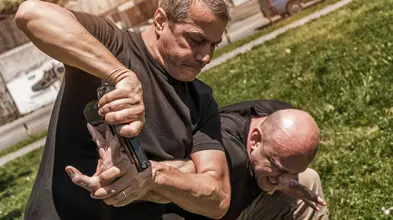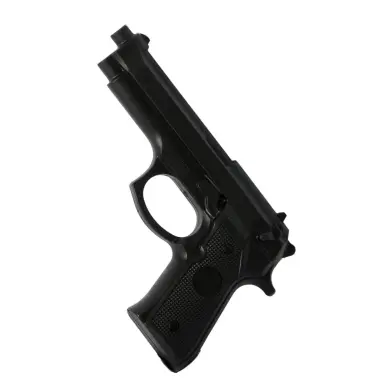

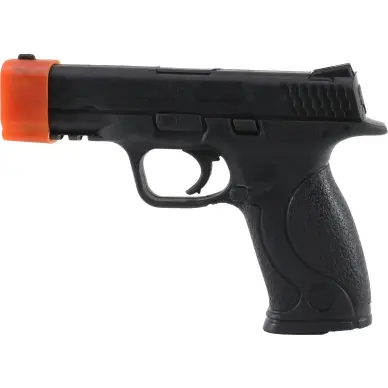
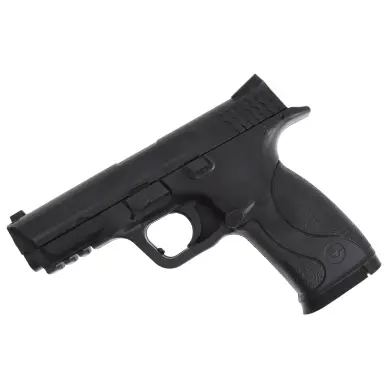
Training Dummy Guns: Replicas for Simulation and Martial Arts
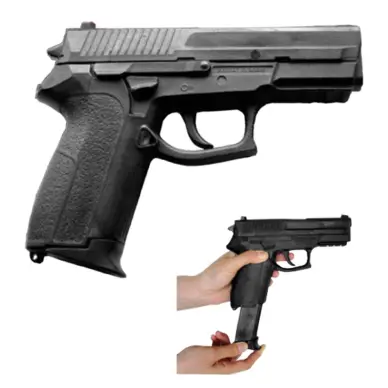
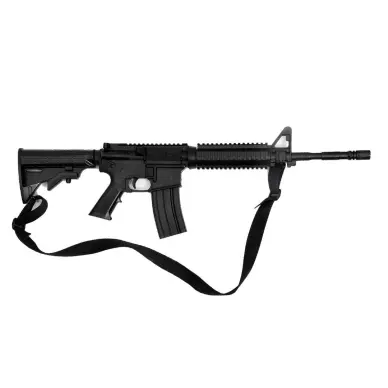
Discover our selection of training dummy guns at Budo Fight. Designed for clubs, instructors, and martial arts practitioners, these non-functional replicas serve as educational tools during supervised drills and scenario-based exercises.
A dummy gun for training provides a visual representation of a firearm-like object without using a real weapon. Depending on the model, materials, dimensions, weight, and shape may vary.
Whether you’re looking for a simulation replica, a teaching accessory for your club, or a model suited for a training program, your choice should be based on the intended use and your instructor’s guidelines.
Also check out our selection of martial arts weapons to complete your training gear.
What Is a Training Dummy Gun?
A dummy gunis a non-functional replica of a handgun, mainly used as a teaching or simulation accessory.
Unlike a real firearm, a dummy model designed for training is not intended to fire projectiles. However, it’s important to check the exact product specifications, as not all replicas on the market have the same features.
Training dummy guns can be used in certain martial arts, self-defense, or supervised training programs.
Their purpose is to provide a physical tool for exercises defined by the instructor, in a controlled environment.
What’s the Difference Between a Dummy Gun and a Deactivated Weapon?
A training dummy gun is designed as a non-functional replica.
A deactivated weapon, on the other hand, is a former firearm that has undergone a deactivation process.
These two categories should not be confused: their features, uses, and applicable regulations may differ.
For teaching exercises, always choose equipment specifically designed and sold for training purposes.
Dummy Guns for Simulation and Teaching Drills
Dummy gun replicascan be integrated into various teaching programs, depending on the objectives set by the session leaders.
They allow instructors to use a clearly identifiable accessory for organizing specific scenarios.
In a martial arts club, using this type of equipment requires a clear protocol, constant supervision, and a dedicated training area.
A Visual Tool for Scenario Training
A dummy gun can be used as a representation accessory during teaching scenarios.
Depending on the program, the instructor may use it to work on situation recognition, communication, or following safety instructions.
The goal of these drills depends on the teaching context and the participants’ skill level.
Equipment for Controlled Environments
Even if a replica cannot fire, its appearance may be mistaken for a real firearm.
Its use should therefore be limited to appropriate environments, with clear rules for handling, storage, and transport.
A dummy gun should never be used to intimidate someone or simulate a threat in a public space.
What Materials Are Used for Training Dummy Guns?
The material of a dummy gun affects its weight, rigidity, feel, and durability.
Depending on the available models, different materials may be used.
Rubber Dummy Gun
Rubber replicas can vary in rigidity depending on their composition and design.
Some models are intended for supervised teaching drills that require a non-functional accessory.
However, rubber does not guarantee the absence of injury, especially in case of impact.
Plastic or Synthetic Dummy Gun
Plastic or synthetic models may differ in weight, shape, and rigidity.
It’s important to ensure the product is specifically intended for training and meets your club’s needs.
Weight and Realism: Key Criteria
A visually realistic model is not always the best choice for every exercise.
Weight, dimensions, and appearance should be selected according to your teaching objectives.
A replica that is easily identifiable as a dummy can also help manage equipment in certain training environments.
How to Choose a Dummy Gun for Training?
When selecting a training dummy gun, several features deserve your attention.
1. Intended Use
First, determine the role of the replica in your program.
An accessory for visual demonstration does not necessarily meet the same needs as a model used in partner drills.
2. Material and Rigidity
Check the product composition and its level of rigidity.
Your choice should match the type of exercises authorized by the instructor.
3. Dimensions and Weight
Size and weight affect grip and handling.
Refer to the specifications listed on the product page to select a model suitable for users.
4. Model Appearance
Some replicas closely resemble real firearms, while others are more easily identified as training accessories.
This distinction can be important for organizing sessions and preventing confusion.
5. Quality of Finish
Before any use, inspect the general condition of the replica.
A damaged surface, loose part, or manufacturing defect may make the equipment unsuitable for certain exercises.
6. Instructor Recommendations
The chosen model should match the training program and the participants’ level.
If in doubt, ask your club or course supervisor for advice.
Dummy Pistols for Clubs and Instructors
Dummy pistols for martial arts clubs can complement the equipment used during specific training sessions.
For instructors, choosing equipment goes beyond the individual features of the product.
You must also consider class organization, the number of participants, and storage conditions.
Building a Consistent Training Equipment Set
When a club uses multiple replicas, having clearly identified models suited to the program can make equipment management easier.
It’s helpful to set common rules regarding:
Equipment inspection before each session.
Distribution and collection of accessories.
Identification of replicas reserved for training.
Secure storage after use.
Supervision of exercises by a designated person.
These precautions help reduce the risk of confusion and misuse.
Regularly Inspect Replicas
Training equipment used frequently can wear out.
Regularly check surfaces, rigid parts, and any assembled elements.
Remove from training any replica showing a defect that could cause injury.
Dummy Pistols for Krav Maga and Self-Defense
Some Krav Maga and self-defense schools use dummy replicas in their training programs.
The choice of equipment depends on the exercises taught, the level of practitioners, and the club’s safety protocols.
If you’re specifically looking for equipment for this discipline, check out our dedicated category for dummy training pistols for Krav Maga.
This specialized page lets you continue your search in the Krav Maga universe, while this category gathers dummy pistols from our general range of martial arts training accessories.
Safety Precautions with a Dummy Pistol
A non-functional dummy pistol is not an operational firearm, but its use still requires special precautions.
Its appearance may cause confusion with a real weapon, even when made from soft material.
For clubs and instructors, several rules are essential:
Use only replicas suited to the training program.
Never bring a real firearm into an area reserved for replica exercises.
Inspect equipment before each session.
Inform participants that the accessories are dummy replicas.
Provide a controlled training space with no unauthorized access.
Follow the instructor’s guidelines throughout the session.
Store replicas after use in an appropriate area.
Avoid any public display that could create a dangerous situation.
The fact that a pistol is a dummy does not mean it can be handled carelessly.
How to Maintain a Dummy Training Pistol?
Proper maintenance helps preserve the condition of your training pistol replica.
After use, clean the product according to the manufacturer’s recommendations.
For rubber or plastic models, avoid chemicals that could damage the material.
Store replicas in a dry place, away from extreme temperatures if recommended by the manufacturer.
Before each session, check for cracks, deformations, or loose parts.
If the product shows a significant defect, remove it from the equipment available for training.
What Regulations Apply to Dummy Pistols in France?
The regulations for dummy pistols depend mainly on their features, appearance, and possible legal classification.
Not all replicas are necessarily subject to the same regulations.
The rules regarding purchase, possession, carrying, and transport must be considered separately.
A replica that looks like a firearm can also trigger intervention by authorities if displayed in a public space.
Before any purchase or transport, check the regulations that apply to the specific model and always opt for discreet transport in a suitable container.
FAQ – Frequently Asked Questions About Training Dummy Pistols
What is a training dummy pistol?
This is a non-functional replica of a handgun, designed to be used as a training tool in certain supervised exercises.
Can a dummy pistol fire?
A dummy pistol designed as a non-functional accessory is not intended to fire. Always check the product description to avoid confusion with other types of replicas.
What material should I choose for a training replica?
The choice depends on your intended use. Models made of rubber, plastic, or synthetic materials may have different levels of rigidity and weight.
Is a rubber dummy pistol safe?
No. Even a rubber replica can cause injury if used improperly.
Can a dummy pistol be used in a martial arts club?
Yes, certain disciplines and training programs use dummy replicas. Their use must be supervised and comply with the club’s safety guidelines.
What is the difference between a dummy pistol and an airsoft replica?
A non-functional training dummy pistol is not designed to fire. An airsoft replica can shoot pellets and is subject to different uses and regulations.
How should I transport a dummy pistol?
Avoid displaying it in public spaces. Use an appropriate container and check the regulations that apply to your model and situation.
How do I care for a dummy replica?
Clean it according to the manufacturer’s instructions, store it properly, and regularly check its overall condition.
Buy Your Training Dummy Pistols at Budo Fight
At Budo Fight, discover a range of training dummy pistols designed for clubs, instructors, and practitioners seeking the right training accessories for their programs.
When choosing your model, consider:
The type of exercises planned.
The material and rigidity.
The dimensions and weight.
The appearance of the replica.
The quality of the finish.
Your instructor’s recommendations.
Complete your gear with our selection of martial arts weapons and also check out our training tantos, designed for other types of technical drills.
Explore our selection of training dummy pistols and choose a replica that matches your club’s or your own training needs.