
Judo Belts
Need a judo belt? Budo-Fight offers a complete range designed to support every judoka, from the first kyu up to advanced levels and dan.
Sort by
Sort by
Filter products


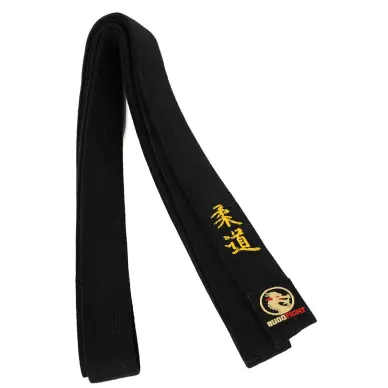
- 50%
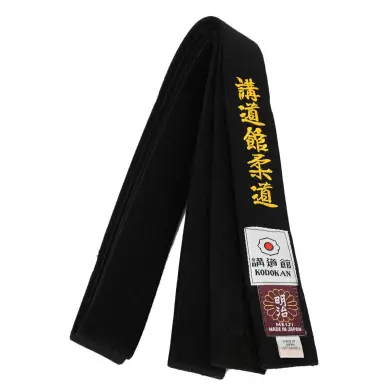

Meiji Japon
6 reviews
€19.50
incl. VAT
€39.00
Add to cart
- 50%
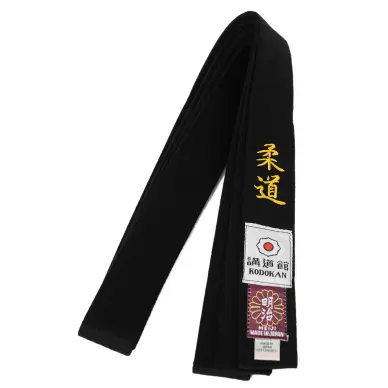
Meiji Japon
7 reviews
€19.50
incl. VAT
€39.00
Add to cart



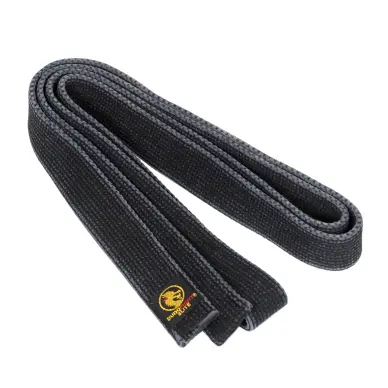
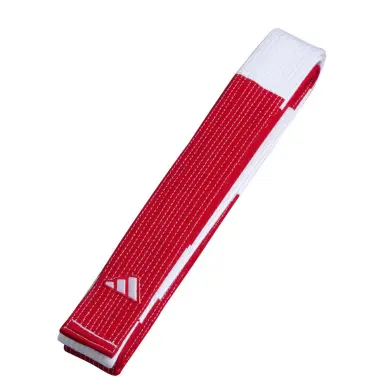
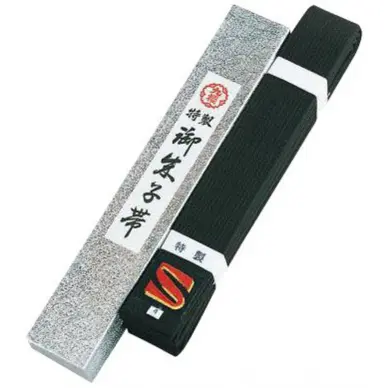

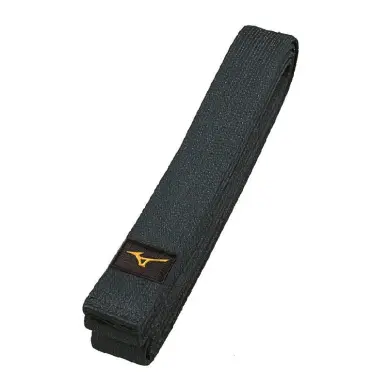
..
Judo Belts: Colors, Ranks, and Models for All Levels
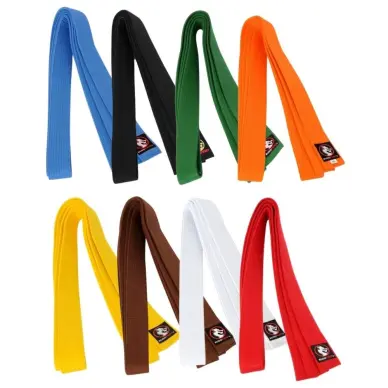
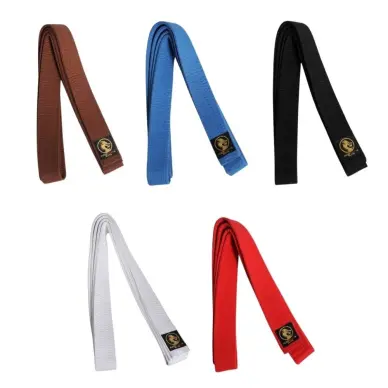
The judo belt marks every stage of a judoka’s progress. White for the first training sessions, orange for continued learning, brown before the black belt: each color is a milestone in the practice of this Japanese martial art. It also keeps the judo gi jacket closed and must stay securely tied during exercises on the tatami.
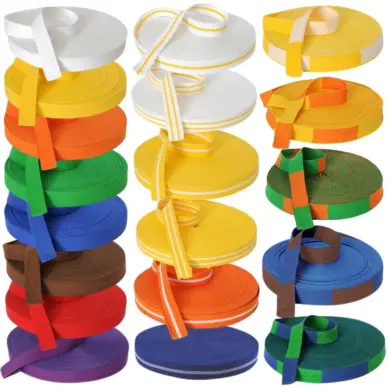
At Budo-Fight, discover a wide selection of judo belts for kids, teens, and adults, from the first rank to advanced levels. Solid color belts, two-tone models, black belts, and rolls for clubs: our range meets the needs of regular practitioners as well as clubs looking to buy multiple lengths at once.
The choice of belt mainly depends on the rank, the judoka’s size, and training habits. The material, flexibility, and stitch quality are also important for a comfortable accessory suited to regular use.
What Are the Judo Belt Colors?
In France, belt colors are used as markers to track a practitioner’s technical and educational progress. The classic path goes from white to brown, before earning the black belt. Intermediate belts also exist to support young judokas in their learning.
Here are the main colors used in judo and their place in the ranking system:
Belt color | Typical associated rank |
|---|---|
First steps | |
Progressing through basics | |
Consolidating techniques | |
Developing technical repertoire | |
Deepening practice | |
1st kyu in the classic path | |
Dan grades |
These correspondences are general guidelines. The French system also includes intermediate ranks, often represented by white-yellow, yellow-orange, and orange-green belts. The system applied depends on the progression program and the practitioner’s category.
For official references, see the belt level presentation by France Judo.
What Does a Judo Belt Color Mean?
The belt represents a learning journey. It allows instructors, training partners, and other club members to identify a judoka’s skill level. However, a color alone does not sum up their abilities: technical mastery, consistent training, behavior on the tatami, and respect for the moral code also contribute to progress.
The white belt marks the beginning. The judoka learns the rules, basic movements, falls, and fundamental techniques. With the yellow and orange belts, they consolidate these skills and learn to apply them in more varied situations.
The green and blue belts then accompany technical development. The practitioner expands their repertoire of throws and holds, works on combinations, and improves their understanding of combat. The brown belt is an advanced milestone before the black belt.
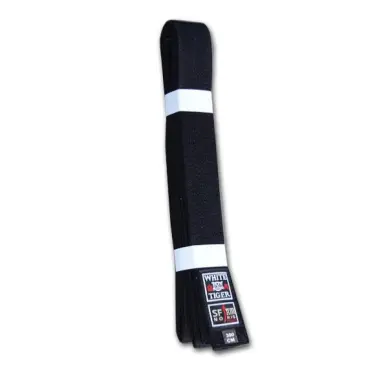
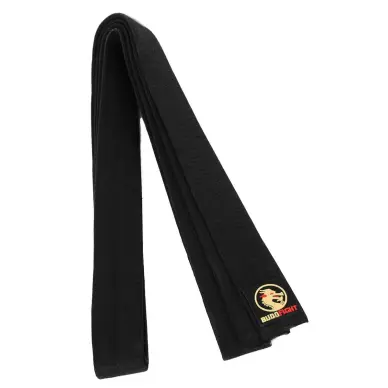
The black belt marks entry into dan grades. It does not mean the learning process is over: it recognizes a level of mastery and opens the way for even deeper technical work.
Kyu and Dan: Understanding Judo Ranks
The ranking system distinguishes the stages of a judoka’s progress. The Japanese terms kyu and dan differentiate the levels before the black belt from the higher grades.
Kyu are the grades before the black belt. In the classic path in France, progression goes from 6th kyu, associated with the white belt, to 1st kyu, associated with the brown belt. For children, intermediate steps may be added to this path.
Dan refers to the grades starting with the black belt. The 1st dan is a major milestone, followed by higher grades. In France, awarding the black belt and dan grades is an official process, separate from the color belt progression within the club.
Rank advancement is therefore not just about changing belts. It is part of a gradual learning process, during which the judoka develops technique, effectiveness, knowledge of the rules, and understanding of the discipline.
Which Judo Belt Should You Choose According to Age and Level?
To select the right belt, start by checking the grade validated by the instructor. It’s best not to choose a color based solely on age or experience: two judokas of the same age may be at different stages in their progress.
A Judo Belt for Kids or Beginners
For first training sessions, a soft, easy-to-tie belt is usually suitable. It should keep the judo gi closed without restricting movement. The length should also match the child’s body type.
White, yellow, and orange belts meet the needs of the first grades. Two-tone models can mark certain intermediate steps depending on the club’s program.
Discover our Budo-Fight judo belts to find a model that matches the level and size of the young practitioner.
A Belt for Advanced Judokas
As you progress, you may choose a green,blue, or brown belt. For frequent training, the durability of the stitching, knot hold, and belt thickness become important factors to consider.
The choice also depends on the judoka’s preferences. Some prefer a soft belt, while others opt for a thicker belt that holds its shape well. In any case, the belt should remain comfortable during technical drills and sparring.
Which Black Judo Belt Should You Buy?
The black judo belt is for practitioners who have achieved the corresponding grade. Several models may be suitable depending on your budget, finish, and personal preferences.
For regular use, pay attention to the material, number of stitches, and rigidity of the model. If you want to add embroidery for a name or grade, make sure the chosen reference allows this customization.
For competition, also check the applicable rules and any uniform requirements. A belt suitable for training is not necessarily compliant with all competition conditions.
Soft or Stiff Judo Belt: What’s the Difference?
The flexibility of a belt affects its grip, how easy it is to tie, and how it holds during practice. The choice depends on the judoka’s level, training frequency, and preferences.
A soft belt is generally easy to handle and tie. It’s suitable for kids, beginners, and practitioners who prioritize comfort.
A stiffer or thicker belt offers a different feel and may better retain its shape. Stitched models, in particular, feature several rows of stitching that add to their structure. They’re ideal for judokas looking for a belt with more hold.
There’s no universal choice: a stiffer belt isn’t automatically higher quality. Review each product’s features, composition, and finish before making your decision.
How to Choose the Right Size Judo Belt?
A belt that’s too short is hard to tie properly. Conversely, an overly long belt can leave distracting ends during practice. To find the right size, consider your waist measurement, the thickness of your judo gi, and the dimensions listed on the product page.
The simplest method is to measure a belt that already fits you. If you don’t have one, measure your waist while wearing your judo gi, then check the manufacturer’s guidelines to determine the recommended length.
The belt should wrap twice around your waist and allow you to tie a secure knot, with ends long enough for comfort. Available sizes vary by model, so always refer to the measurements of your chosen reference.
For clubs, buying a roll allows you to cut the required lengths based on practitioners’ needs. This solution makes it easier to manage gear, especially when outfitting a group of children with different body types.
Which Material Should You Choose for a Judo Belt?
Cotton is commonly used for judo belts. It offers a traditional textile feel and comes in various thicknesses and weave structures. Stitched models stand out for their multiple rows of stitching, which help them hold their shape.
Some belts combine cotton with other fibers, such as polyester. The exact composition depends on the product, so it’s important to check the technical details rather than relying solely on appearance.
To compare two models, look at the material, finish, length, and intended use. A belt for a child just starting out won’t necessarily have the same features as one for a judoka training several times a week.
Proper care also helps keep your gear in good condition. Follow the manufacturer’s recommendations for washing and drying.
Judo Belt Roll: A Practical Solution for Clubs
Instructors, associations, and dojo managers sometimes need to provide belts for dozens of practitioners. In this context, buying each belt individually isn't always the most practical solution.
The judo belt roll gives you several meters of material to cut to the required lengths. It makes equipment preparation easier and is a great option for clubs looking to manage group purchases efficiently.
This option allows you to adjust the lengths for different sizes, prepare multiple belts in the same color, and reduce the number of references to manage in your club's stock.
Budo-Fight also supports clubs and associations with their equipment purchases. Check out our page dedicated to club-exclusive benefits to learn about the 10% discount available for eligible organizations.
How to tie your judo belt correctly?
The knot should keep the judo gi jacket closed without restricting the judoka's movement. It needs to stay secure enough to withstand grips, movement, and drills on the tatami.
To make a classic knot, start by placing the center of the belt on your abdomen. Wrap both ends around your waist, then bring them back to the front, keeping the layers flat. Next, pass one end under the belt layers, then tie the knot by crossing both sides as taught in your club.
Adjust the knot so it's tight but not overly compressed. Both ends should ideally be of similar length.
Your instructor can show you the best method and correct your technique if needed. Like judo techniques, tying the belt is learned through repetition.
Where to buy a quality judo belt?
The choice of belt depends on your level, budget, and how often you train. For a first purchase, choose a model that matches the judoka's grade, in a suitable length and easy to tie. For more intensive use, also compare the finish, material, and stitching structure.
At Budo-Fight, our selection includes judo belts for kids and adults, models in different colors, black belts, and rolls for clubs. You can choose a product suited to your individual practice or your association's needs.
Discover in particular:
Budo-Fight judo belts, for all grades and levels.
Elite judo belts, to compare models and finishes.
Black judo belts, for advanced practitioners.
Judo belt rolls, perfect for group purchases.
Choosing the right belt means having an accessory that matches your grade and training habits. Whether you're a young judoka, an experienced practitioner, or a club manager, find the right models at Budo-Fight to support your progress on the tatami.