






Karate Equipment and Gear: Karate Gis, Protective Gear, and Accessories
Looking for karate equipment to get started, improve, or prepare for a competition? At Budo-Fight, discover a selection of karate gear for kids and adults, suitable for all styles, levels, and goals.
Find all the essentials for karateka: karate gis, belts, karate protective gear, karate gloves, karate shin guards, karate foot guards, and training accessories.
Whether you practice traditional karate, kata or kumite, choose gear suited to your discipline. From your first class at the dojo to belt promotions and competitions, the quality of your outfit ensures comfort, freedom of movement, and safety during practice.
What Equipment Do You Need for Karate?
Your choice of karate gear mainly depends on your level, style, and type of training.
To start, a karate gi and a belt are usually enough. For sparring, additional protective gear may be required.
Essential Karate Equipment Table
Equipment | Main Use | Relevant Practice |
|---|---|---|
Outfit allowing movement, strikes, and stances | Kata, kumite, and traditional training | |
Keeps the jacket closed and shows rank | All practitioners | |
Extra protection for the hands during sparring | Kumite | |
Protects legs and feet during exchanges | Kumite | |
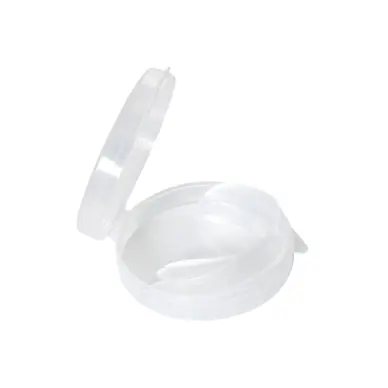
Protects teeth and mouth | Kumite as per regulations | |
Extra protection for the torso | Depending on category and regulations | |
Head protection in certain categories | Depending on age and regulations | |
Practice for punching and kicking techniques | Training |
Required gear may vary depending on the federation, the practitioner's age, and the competition format. Always check your club's guidelines.
Karate Gi: How to Choose Your Karate Gi?
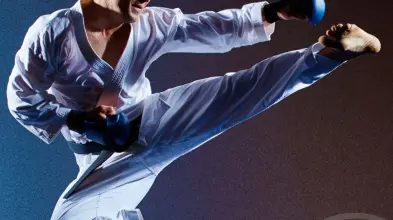
The karate gi, also called a karate gi or karate-gi, is the traditional outfit for karateka.
It consists of a jacket, pants, and a belt. Its cut should allow you to perform stances, punches, kicks, and movements without restriction.
Unlike the judo gi, designed to withstand grabs and throws, the karate gi is generally made to promote range, precision, and speed of movement.
However, not all karate gis are the same: models for kata and kumite have different features.
Karate Gi for Beginners and Kids
To start karate, choose a lightweight karate gi, comfortable and easy to care for.
A flexible fabric allows you to learn stances and basic techniques in the best conditions.
For kids, pick a size that fits their height and check the manufacturer's recommendations regarding possible fabric shrinkage.
An oversized karate gi can hinder movement, while an outfit that's too short limits comfort during training.
Karate Gi for Kata
Kata involves performing a set sequence of techniques with precision, balance, rhythm, and control.
For this discipline, many karatekas look for a karate gi with a structured fabric, a traditional cut, and good fit during movements.
Certain models are designed to produce a sharp sound effect, often called snap, during fast techniques.
Discover the Ippon Kata karate gi, made for practitioners who want to work on their technical combinations.
Karate gi for kumite
Kumite refers to sparring practice with a partner.
It requires quick footwork, changes of direction, and great freedom of movement.
A kumite karate gi is generally lighter and more flexible than a traditional model designed for kata.
This design prioritizes mobility, comfort, and speed of execution.
The choice of cut and fabric also depends on the karateka's preferences and competition rules.
Kata or kumite: what are the equipment differences?
Although both practices are part of karate, their technical and equipment requirements are not the same.
Criteria | Karate kata | Karate kumite |
|---|---|---|
Main objective | Precision, rhythm, and mastery of a sequence | Distance, speed, timing, and control during sparring |
Preferred karate gi | Often thicker and more structured fabric | Generally lightweight and flexible fabric |
Cut | Traditional, supports holding positions | Designed for fast movement |
Combat protection | Usually not needed for solo performance | Often mandatory according to the rules |
Selection criteria | Fabric hold, comfort, and snap effect | Lightweight, mobility, and breathability |
For kata, fabric quality and precise cut are especially important.
For kumite,choose an outfit suited to intense movement and exchanges.
If you practice both disciplines, a versatile karate gi may be suitable for training. At a more advanced level, some practitioners prefer to have two specific outfits.
Karate protection: essentials for kumite
Kumite requires protection adapted to the authorized techniques and the rules in force.
Discover our selection of karate protection for training and competitions.
Karate gloves
FFK karate gloves are designed for kumite exchanges under the conditions required by their certification and use.
They must provide a secure fit, good freedom of movement, and suitable padding.
The choice of color, size, and model depends on competition requirements.
Shin guards and foot guards
FFK karate shin and foot guards protect the areas most exposed during sparring.
To complete your gear, also discover FFK karate foot guards.
Protection must be properly fitted to stay in place during movement and kicks.
Karate headgear
The FFK karate headgear may be required in certain practice or competition categories.
It must fit the head circumference and allow sufficient visibility.
As with any head protection, it does not eliminate the risk of concussion.
Karate chest guard
The FFK reversible karate chest guard is intended for situations covered by the relevant rules.
The chest guard helps protect the torso from certain impacts and should be chosen according to the practitioner's size and body type.
Mouthguard, groin guard, and chest protection
Depending on age, training type, and regulations, other protection may be required:
The mouthguard, for mouth and teeth protection.
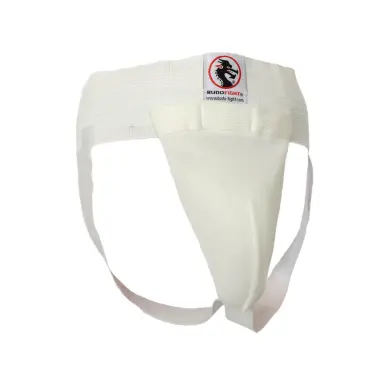
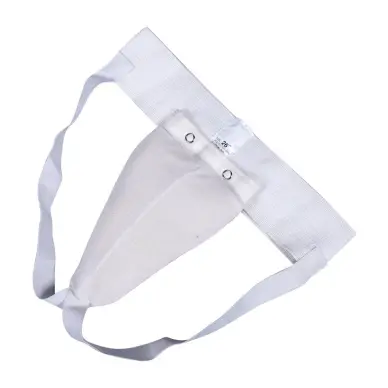
The groin guard, for genital area protection.
Chest protection,for female practitioners who need it or when required by the rules.
Important: protection marked FFK is not automatically authorized in all competitions. Check the rules applicable to your category and event.
Karate belts: ranks and tradition
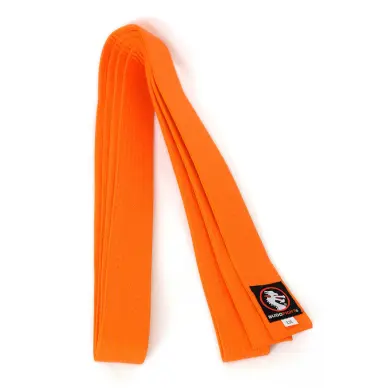
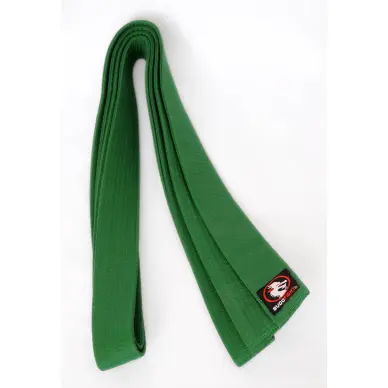
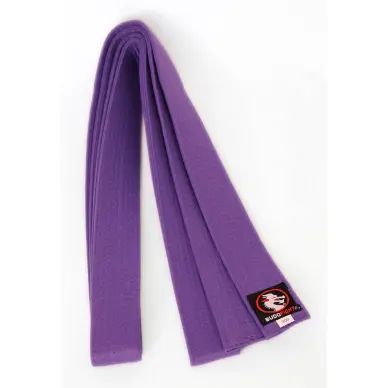
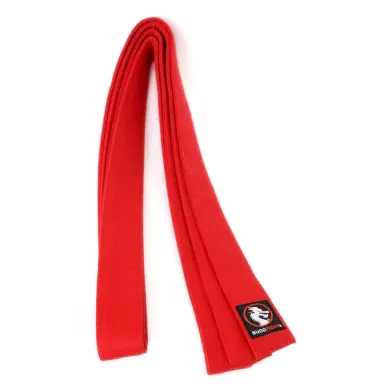
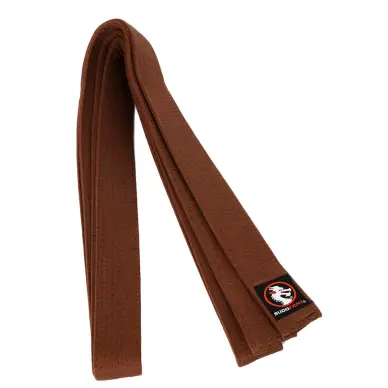
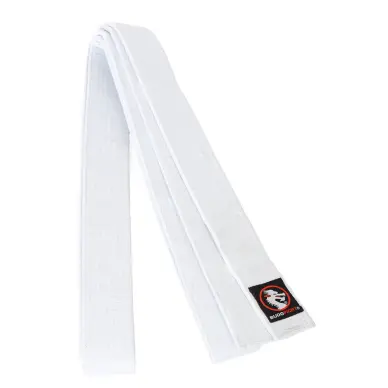
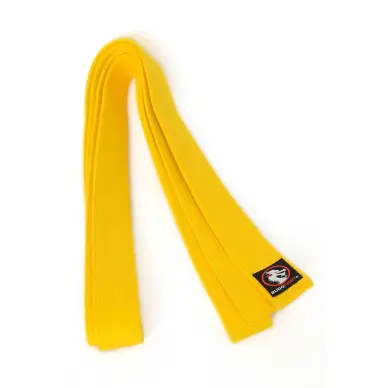
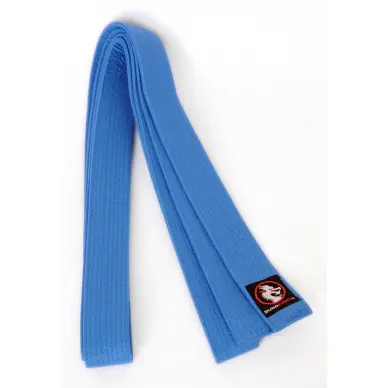
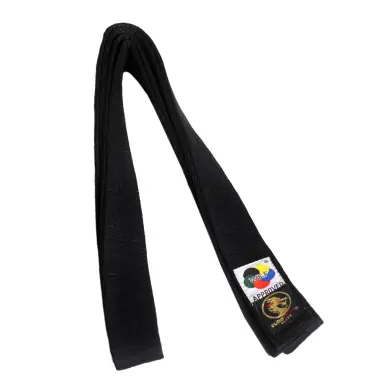
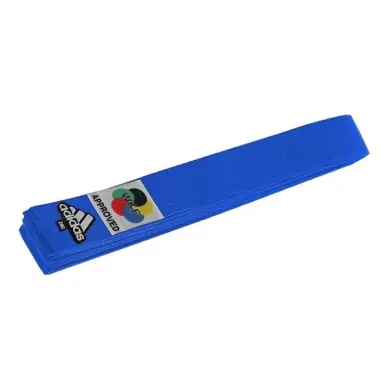
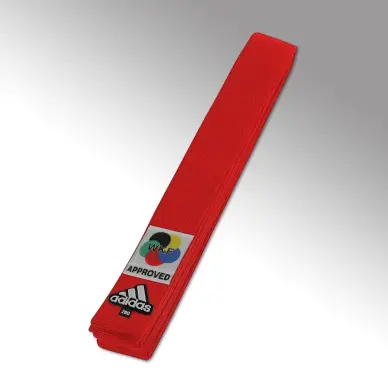
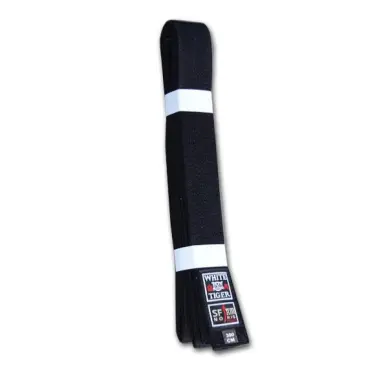
The karate belt, called obi, keeps the jacket closed and symbolizes the practitioner’s progress.
Belt colors correspond to ranks, but systems may vary depending on schools and federations.
The belt accompanies the karateka throughout their journey, from the first techniques to advanced ranks.
Embroidered belts and personalization
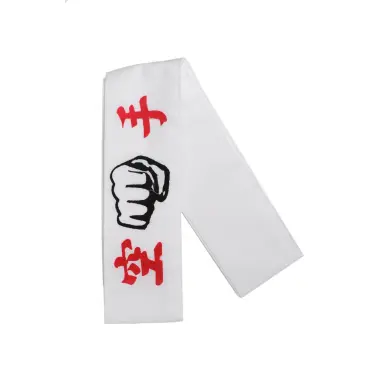
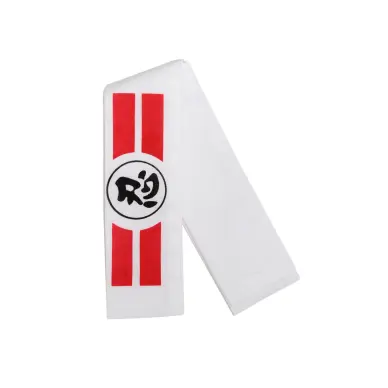
Some practitioners choose an embroidered belt to display their school name, style, or a traditional inscription.
Discover the Shotokan Karate-Do embroidered karate belt.
When choosing your belt, consider your rank, body type, and the length needed to tie a proper knot.
The different karate styles
Karate is a Japanese martial art originating from the martial traditions of Okinawa.
There are several styles, each with its own technical features, stances, and training methods.
Among the most well-known are Shotokan, Goju-ryu, Shito-ryu, and Wado-ryu.
Shotokan Karate
Shotokan is one of the most widely practiced karate styles in the world.
It is closely associated with Gichin Funakoshi, who played a major role in spreading karate in Japan.
This style places great emphasis on technical precision, stable stances, and mastery of movement.
Training is based on three fundamental components.
Kihon: basic techniques
Kihon covers the fundamental movements of karate: stances, footwork, blocks, punches, and kicks.
These exercises help develop the technical foundations essential for progress.
Kata: codified sequences
Kata is a structured sequence of techniques representing combat situations.
It develops coordination, breathing, precision, and body control.
The study of practical applications of a kata with a partner is called bunkai.
Kumite: partner sparring
Kumite allows practitioners to apply karate techniques in various forms of opposition.
Depending on level and goals, it can take the form of conventional drills, technical exchanges, or regulated sparring.
Goju-ryu, Shito-ryu, and Wado-ryu
Goju-ryu combines principles of soft and hard techniques, with special focus on breathing and movement.
Shito-ryu is known for its rich kata repertoire and diverse technical influences.
Wado-ryu emphasizes evasion, movement, and using motion to avoid direct confrontation.
Whatever your style, choose equipment that matches your instructor’s recommendations.
Karate equipment for technical training
In addition to the karate gi and protective gear, certain accessories help develop striking techniques.
Strike shields
The strike shield is used for practicing punches, kicks, and certain combinations with a partner.
For karate, a model with an appropriate striking surface can improve precision and power training.
Cushion durability, handles, and grip stability are important factors.
Precision and speed training
Target drills help develop coordination, distance control, and striking accuracy.
They complement technical work done in the dojo, but do not replace corrections and advice from an instructor.
For progress, focus on regular practice suited to your level.
Children’s karate equipment: preparing for the first classes
For a child starting karate, equipment should be comfortable, easy to use, and suited to their size.
A lightweight children’s karate gi and a belt matching their rank are usually the basics of the outfit.
Kumite protective gear can be added when needed, according to club guidelines.
What size karate gi should you choose for a child?
Karate gi sizes are usually indicated according to the practitioner’s height.
Check the manufacturer’s size guide and consider washing recommendations.
A gi that is too large can hinder movement, while one that is too small limits range of motion.
What protective gear for a young karateka?
For kumite, protective gear should match the child’s age, size, and practice rules.
Ask the instructor for advice before purchasing headgear, gloves, or a chest guard.
Safety and quality of learning always come first.
Karate in competition: FFK and WKF approval
Karate competitions may require specific rules regarding uniforms and protective gear.
In France, certain events organized by the Fédération Française de Karaté (FFK) require equipment that meets specific criteria.
For international competitions governed by the World Karate Federation (WKF), different approval rules may apply.
How to check if your equipment is compliant?
Before a competition, make sure to check:
The event rules and the requirements for your category.
The karate gi compliance, especially its cut and dimensions.
The mandatory protective gear, depending on age and combat format.
The allowed colors for gloves and protective gear.
The required approvals, when applicable.
Equipment suitable for training is not necessarily allowed in official competitions.
Likewise, FFK approval does not automatically mean WKF approval, and vice versa.
If in doubt, ask your club or the event organizer for confirmation before purchasing.
How to care for your gi and your karate protective gear?
Regular care helps maintain the comfort and lifespan of your equipment.
After each training session, take your karate gi and protective gear out of your bag to let them dry.
Follow the manufacturer's washing instructions, especially for fabrics that may shrink.
Regularly check the condition of seams, fastenings, and padding.
Protective gear should be cleaned according to the manufacturer's recommendations and stored in a dry place.
Clean, well-maintained equipment also helps uphold hygiene standards in the dojo.
Why buy your karate equipment from Budo-Fight?
Since 1963, Budo-Fight has supported martial arts and combat sports practitioners in choosing their equipment.
Whether you are a beginner, experienced karateka, instructor, or competitor, find a selection of products suited to your discipline.
Discover in particular:
Karate belts for all ranks.
Get ready for your training, belt tests, and competitions with Budo-Fight.
Choose karate equipment suited to your style, level, and goals to progress in the dojo in the best possible conditions.