






Aikido Equipment: Gi, Hakamas, Belts, and Accessories
Discover our selection of aikido equipment at Budo Fight and create the perfect outfit for your practice. Whether you are a beginner or an experienced aikidoka, choosing the right aikido gi, obi belt, hakama, and the proper accessories ensures your comfort during training sessions.
At Budo Fight, martial arts specialists since 1983, we offer aikido equipment for men, women, and children, from traditional outfits to transport accessories, to accompany you at the dojo, during seminars, and belt tests.
What is the traditional outfit for practicing aikido?
The aikido uniform generally consists of a keikogi (or aikidogi), a belt called obi, and, depending on your dojo, a hakama.
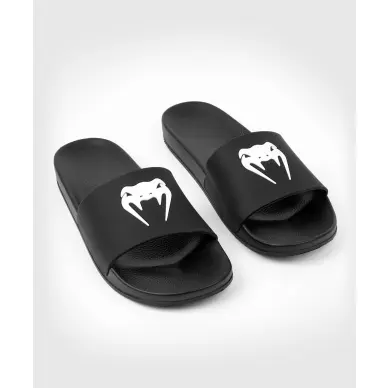
Zooris, traditional Japanese sandals, complete this equipment for moving around outside the tatami.
Aikido Gi: the aikidogi or keikogi
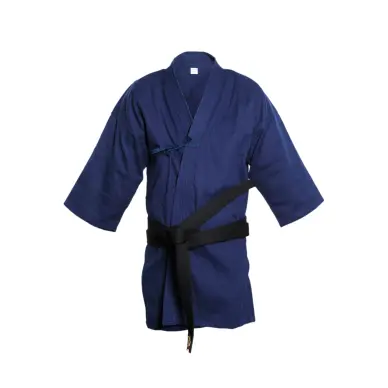
The aikido gi, also called aikidogi or keikogi, is the foundation of your training outfit.
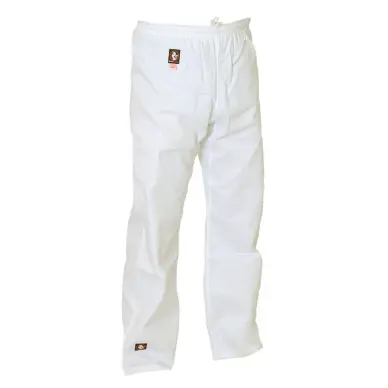
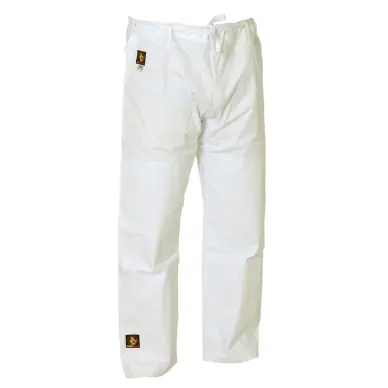
It consists of a white jacket and pants, usually made of cotton or a blend of materials suitable for martial arts practice.
For beginners, a traditional judo gi can be suitable. Durable and versatile, it’s an accessible option to start aikido.
Practitioners seeking a more specialized outfit can choose a aikidogi specifically designed for aikido, including the Meiji models offered by Budo Fight.
These gis stand out with features tailored to the discipline:
Shorter sleeves for free wrists and easier grips.
No central seam on the back of the jacket for greater comfort during falls and rolls (ukemi).
A cut designed for aikido movements to allow maximum freedom of motion.
A simple, traditional design with no flashy markings.
Your choice of aikido gi depends on your level, body type, and training frequency.
Aikido Belt and Obi: secure your jacket and honor tradition
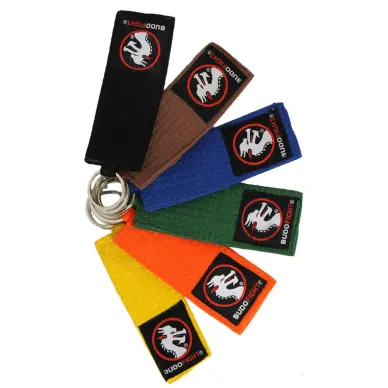
The aikido belt, called obi in Japanese, is used to keep the keikogi jacket closed during training.
It’s an essential part of the traditional outfit and must be strong enough to stay in place during movements, grips, and throws.
In aikido, the color of the belt may also reflect your level, depending on the rules of your federation, school, or dojo.
To choose your aikido obi belt, consider:
Length, suited to your waist size and how you tie your belt.
Width, according to your preferences and your dojo’s standards.
Material, usually cotton or a fiber blend.
Color, as recommended by your instructor.
A properly tied belt keeps your jacket secure and ensures a neat appearance during training.
Aikido Hakama: the traditional Japanese pants
The aikido hakama is a traditional Japanese wide, pleated garment worn over the keikogi.
Recognizable by its unique cut, it traditionally features seven pleats, often associated with symbolic budo values such as respect, sincerity, and loyalty.
The hakama is a key element of aikido’s visual identity. Depending on the school or dojo, it may be worn from the start or reserved for advanced levels.
At Budo Fight, we offer various types of aikido hakamas:
Affordable hakamas made in Asia, ideal for practitioners seeking accessible equipment.
Meiji Japan hakamas made in Japan, for aikidoka looking for traditional Japanese craftsmanship and premium finishes.
When choosing your hakama, check the length, cut, material, and your instructor’s recommendations.
The hakama is usually worn with a suitable aikidogi, with pants and jacket that allow for full freedom of movement.
Aikido Zooris: sandals for moving around the dojo
Zooris, also known as zori, are Japanese sandals used for moving around outside the tatami.
They allow you to walk between the changing rooms and the training area without going barefoot on the floor.
Zooris are removed before stepping onto the tatami, in accordance with hygiene rules and dojo customs.
When choosing your aikido zooris, opt for the right size, a comfortable sole, and a model that's easy to slip on and off.
Which accessories complete your aikido gear?
Beyond the gi, belt, and hakama, several accessories can make training and carrying your equipment easier.
Physical preparation accessories
Aikido requires coordination, mobility, and endurance. Certain physical preparation accessories can enhance the exercises practiced at the dojo.
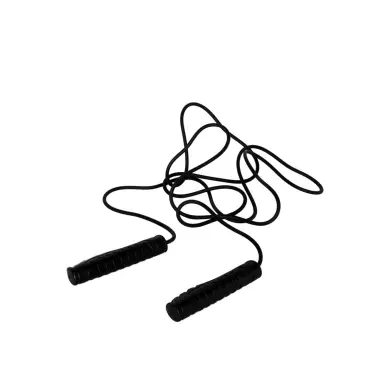
A jump rope can be used to work on coordination and cardiovascular endurance.
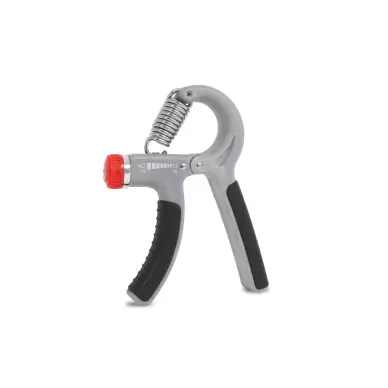
A hand grip strengthener helps train the muscles of the hands and forearms, useful for grip exercises.
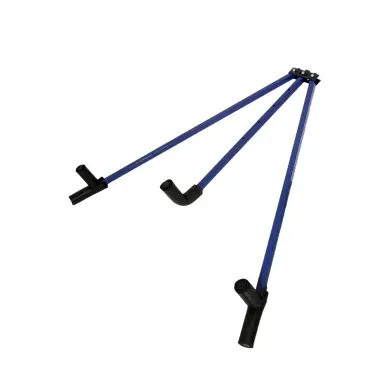
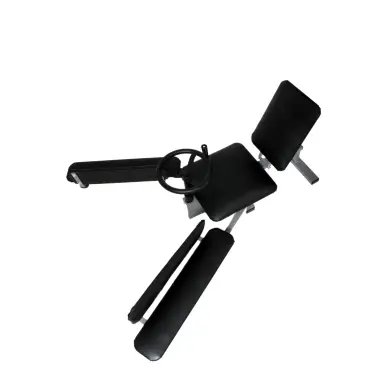
A leg stretcher can support progressive mobility work, as long as you respect your limits and avoid forced stretching.
These accessories are complementary to technical training and do not replace exercises supervised by your instructor.
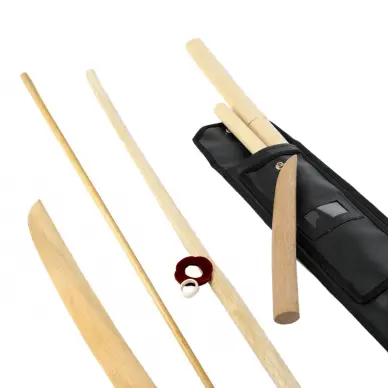
Aikido weapons: bokken, jo, and tanto
In many schools, weapons training is part of learning aikido.
Three training weapons are especially used:
The bokken, a wooden sword for working on movement, trajectory, and distance.
The jo (or jyo), a traditional Japanese staff used for coordination and positioning.
The tanto, a training knife made of wood or rubber, used in tanto-dori exercises.
These weapons complement empty-hand work and help develop precision, posture, and distance control.
Their use should always follow the dojo's safety guidelines.
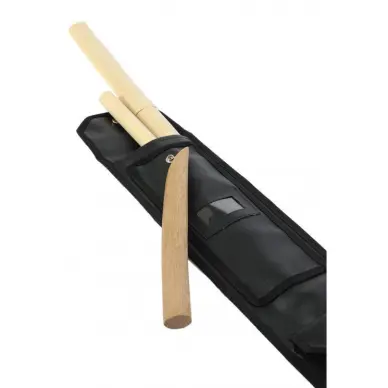
Aikido weapon case
To carry your bokken, jo, and tanto, choose a case suited to their size.
Budo Fight offers a faux leather case, perfect for storing and protecting your training weapons while traveling.
A case also lets you keep your gear together for classes, seminars, and trips between dojos.
Aikido sports bag: easily carry your gear
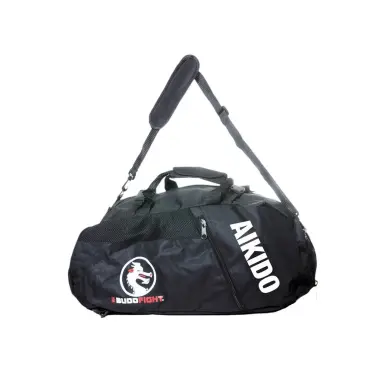
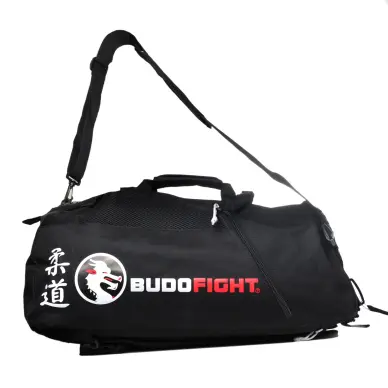
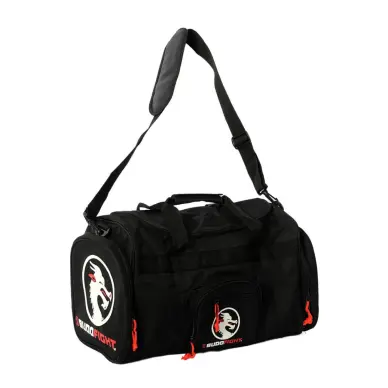
An aikido sports bag lets you carry your gi, hakama, belt, zooris, and accessories.
For practitioners who travel regularly, a spacious and comfortable bag makes organizing your equipment easier.
Check out our special aikido sports bag, which can be converted into a backpack for convenient transport.
Which aikido gear should you choose as a beginner?
To start aikido, you usually don't need to buy all the accessories right away.
The basic gear generally includes:
An aikido gi or a traditional judo gi, sized to fit you.
An obi belt, to keep your jacket closed.
A pair of zooris, for walking outside the tatami.
The hakama and training weapons can be added based on your instructor's recommendations and your school's traditions.
For your first purchase, choose an outfit that's comfortable, durable, and fits your budget.
How to choose your aikido gear?
When putting together your complete aikido gear, several criteria deserve your attention.
Your experience level: a beginner can choose a classic, affordable gi, while a regular practitioner may look for a more specialized aikidogi.
Your body type: the size of the gi, the length of the hakama, and the belt should be suited to your build.
Training frequency: for intensive practice, choose durable materials and quality finishes.
Your dojo's guidelines: some schools have specific rules regarding uniforms, wearing the hakama, and using weapons.
By choosing the right gear, you'll enjoy a comfortable and functional outfit to support your progress.
Buy your aikido gear at Budo Fight
At Budo Fight, we offer a selection of aikido equipment, from your first gi to accessories for advanced practitioners.
Discover our aikido gis, obi belts, our entry-level and Japanese Meiji Japan hakamas, zooris, as well as the bags and accessories you need for your practice.
Whether you're looking for beginner aikido gear or want to complete your equipment for regular training, Budo Fight helps you choose the right gear.
Order your aikido equipment from Budo Fight and get ready for training, seminars, and grading exams with an outfit tailored to your practice.