


Whether you are looking for a comfortable kendo jacket, a durable kendo hakama, or a complete kendo outfit, choose gear that fits your body type, skill level, and training frequency.
Our kendo apparel is designed for freedom of movement, comfort, and durability, while maintaining the traditional, understated look of this discipline.
What garments make up a kendo outfit?
The traditional kendo outfit is mainly composed of two pieces: the keikogi, also called kendogi, and the hakama.
These garments are worn during training and competitions, under the specific kendo armor known as bogu.
The keikogi: the traditional kendo jacket
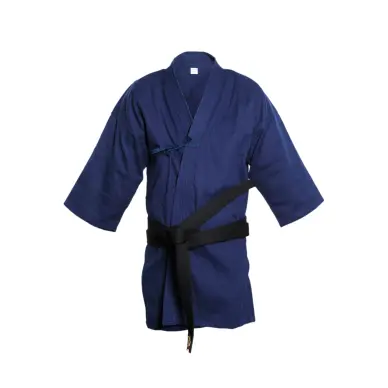
The kendo keikogiis a jacket specially designed to follow the movements of the kendoka.
Usually made from cotton or technical fabric, it must provide excellent freedom of movement in the shoulders and arms, which are especially engaged when handling the shinai, the bamboo training sword.
A good kendo jacket should be comfortable, durable, and suitable for regular practice.
Depending on the model, you’ll find lighter jackets, valued for their flexibility and easy care, or thicker, more traditional styles sought after for their structure and authentic appearance.
The hakama: the traditional kendo pants
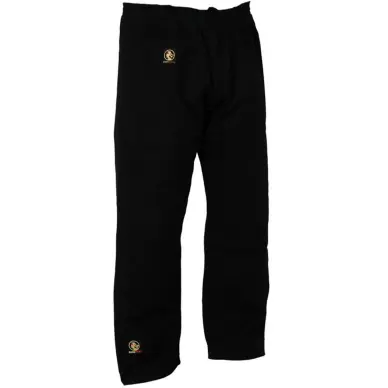
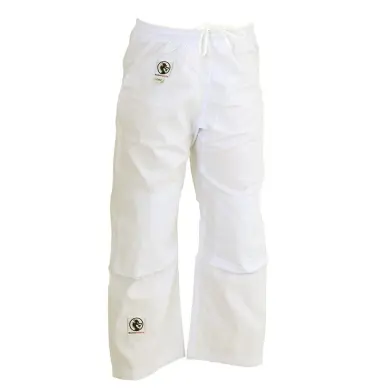
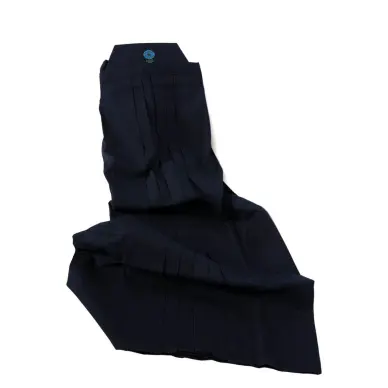
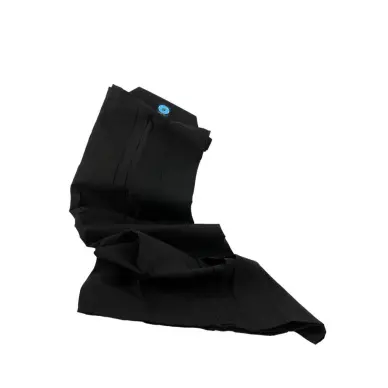
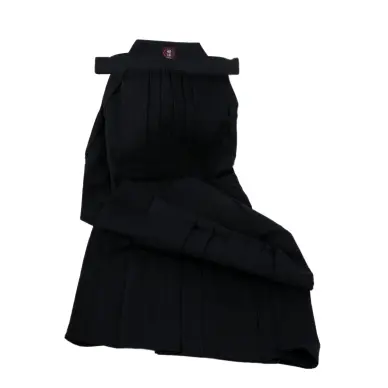
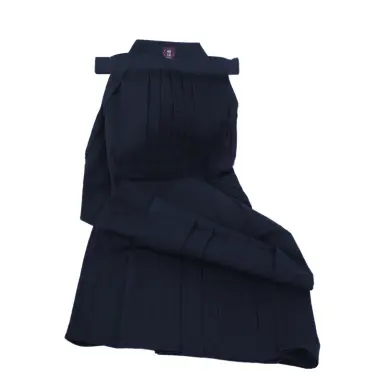
The kendo hakama is a traditional Japanese wide-legged pant, recognizable by its characteristic pleats.
Its cut allows for the specific footwork and movements of kendo while maintaining a traditional silhouette.
A good kendo hakama should provide great freedom of movement, hold its pleats well, and offer comfort for long training sessions.
Choosing the right material, size, and cut is essential for optimal practice conditions.
How to choose your kendo outfit?
When selecting your kendo outfit, consider your skill level, training frequency, body type, the fabric, and how easy it is to care for.
Kendo outfit for beginners
If you’re new to kendo, opt for a beginner kendo outfit that is comfortable, durable, and easy to maintain.
A lightweight or midweight keikogi jacket paired with a hakama suited to your height is a great way to start discovering the discipline.
Easy-to-wash and quick-drying models are especially practical for beginners who want functional gear at an affordable price.
Kendo outfit for advanced practitioners
For kendoka who train regularly, fabric quality, seam strength, and comfort become essential factors.
Advanced practitioners may prefer a traditional cotton kendo keikogi, a thicker model, or a technical outfit, depending on their preferences.
Choosing a quality hakama that holds its pleats and has a well-fitted cut also contributes to comfort and the overall look of the outfit.
Cotton or synthetic kendo keikogi?
The material of your kendo jacket affects its comfort, weight, breathability, and care requirements.
Cotton kendo jacket
The cotton keikogi is valued for its traditional look, comfort, and moisture absorption.
Cotton jackets come in various thicknesses and are suitable for both regular training and practitioners seeking a classic outfit.
Some traditional models use indigo dye, a hallmark of many Japanese kendo uniforms.
Lightweight and technical kendo jacket
Kendo jackets made from synthetic or blended fabrics can offer reduced weight, faster drying, and easier care.
They are especially appealing for frequent training, travel, or practice during hot weather.
Your choice depends on your preferences for tradition, lightness, comfort, and easy care.
Which kendo hakama should you choose?
The kendo hakama comes in different materials, cuts, and finishes.
Traditional kendo hakama
Traditional cotton hakama are appreciated for their authentic look and structure.
They are ideal for practitioners who value Japanese tradition and the classic kendo style.
Depending on the fabric and dye, they may require more careful maintenance to preserve their color and pleats.
Polyester or blended fabric kendo hakama
A kendo hakama in polyester or blended fabric is often easier to care for and can better maintain its pleats after washing.
This is a practical choice for beginners, clubs, and kendoka who train several times a week.
Navy blue hakama or black?
Navy blue kendo outfits, often called navy, are especially common in dojos.
There are also black models available, depending on the manufacturer and usage.
Before making your purchase, check with your instructor or club for recommendations to ensure you choose an outfit that fits the customs of your dojo.
What size kendo jacket and hakama should you choose?
A properly sized kendo uniform is essential for comfortable practice.
The keikogi should allow for a full range of motion in the arms and shoulders, without hindering the handling of the shinai.
The hakama should be long enough to maintain the traditional silhouette, without dragging on the floor or restricting movement.
To choose the right size, consider:
Your height and body type, to select a jacket that fits well.
The length of the hakama, which is especially important for movement.
The cut of the keikogi, which may vary depending on the manufacturer.
The fabric composition, especially the risk of shrinkage after washing.
The sizing guide recommendations, specific to each model.
A hakama that is too long can restrict movement, while one that is too short will not provide the traditional look you want.
How to properly wear your kendo uniform?
The keikogi is worn with the left side overlapping the right side.
The hakama is worn over the jacket and secured with its traditional ties, called himo.
It is important to adjust the hakama properly so it stays in place during movement, drills, and matches.
Your instructor can show you how to correctly tie your hakama and maintain its pleats.
How to care for your kendo jacket and hakama?
Proper care helps preserve the quality, color, and lifespan of your kendo uniform.
Here are some useful tips:
Follow the washing instructions provided by the manufacturer.
Air out your keikogi after each training session to remove moisture.
Avoid harsh products that could damage the fibers or affect the dye.
Opt for air drying when recommended.
Carefully fold your hakama to maintain its traditional pleats.
Be mindful of indigo-dyed fabrics, which may bleed, especially during the first washes.
A well-maintained uniform will keep its comfort and traditional appearance for longer.
Buy your kendo uniform at Budo-Fight
Whether you are looking for a kendo keikogi jacket, a traditional hakama, or a kendo uniform for beginners or advanced practitioners, explore our selection at Budo-Fight.
Compare models by material, cut, size, and price to choose the uniform that best suits your practice.
Discover our kendo jackets and hakamas and gear up for your training and competitions, honoring Japanese tradition.