
How to Choose the Right Karate Gi
Looking to buy a karate gi? You’re in the right place! Also called a karate gi, the karate uniform is essential for stepping onto the tatami. Beginner karatekas can feel a bit lost: which fabric weight should you choose? How much does karate gear cost? What size karate gi should you pick? Don’t worry: Budo-Fight, combat sports expert since 1963, shares all its tips to help you choose the right karate gi.
What are the features of a karate gi?
Karate classes don’t require expensive gear. One thing is certain: to join your local karate club, you’ll first need a gi specifically designed for karate!
What’s the difference between a judo gi and a karate gi?
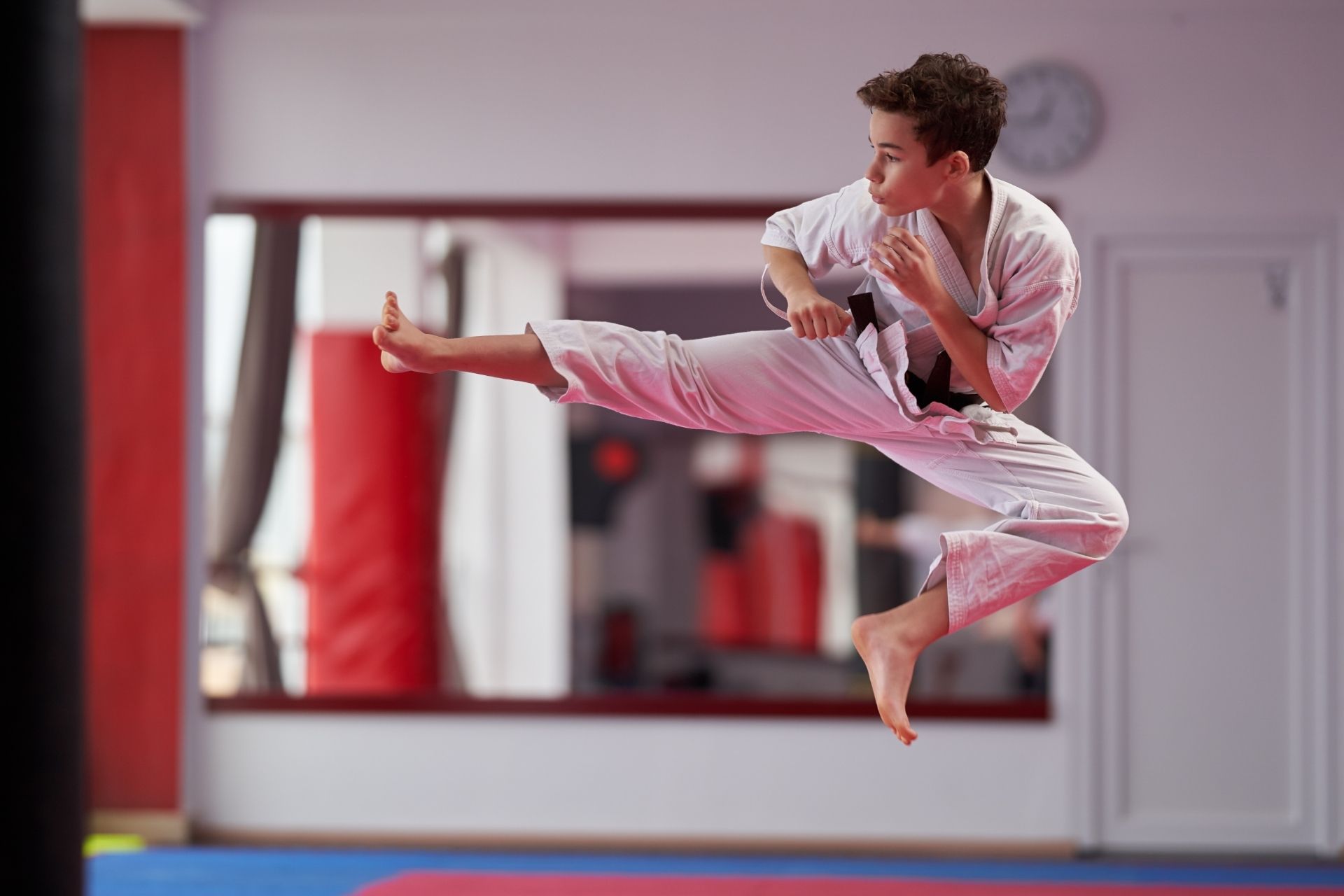 The Japanese word kimono actually refers to any traditional Japanese garment.
For martial arts, kimono refers to the official uniform of the practitioner, consisting of a cross-over jacket, cotton pants, and a belt.
So why get different gear, even if you already practice judo?
The judo gi (or judogi) is very durable: it must withstand an opponent’s grips without tearing. On the other hand, karate gis are lighter and more breathable, giving you greater freedom of movement. Some models, however, feature a snapping fabric that’s heavier and more resistant. That’s the case with the Adidas Kata Elite karate gi, designed for advanced karatekas in kata competition.
What color is a karate gi?
Unlike judo rules, the color of a karate gi has no real significance. A karateka can absolutely wear a black karate gi, although white is much more common. However, in tournaments, every competitor must wear a plain white gi—no stripes, piping, or embroidery.
What type of karate gi should you choose?
- Kata karate gi: this is the beginner’s karate gi! It’s cut shorter at the sleeves and legs. Thicker, it’s ideal for bunkai exercises.
- Kumite karate gi: designed for sparring, it’s lighter and more flexible.
- Traditional cut karate gi: generally used for training, it can sometimes be used for both kumite and kata. It’s a versatile gi every karateka should have!
What size karate gi should you choose?
Did you know? The karate gi is unisex: there’s no difference between karate gis for women and for men.
What size karate gi for kids?
Our kids’ karate gis range from 90 cm to 200 cm. To make the right choice, simply go by your child’s height.
However, keep one thing in mind! Unless the model is pre-shrunk, gis tend to shrink by a few centimeters after the first washes. We recommend choosing a karate gi that’s 5 cm longer than your child’s height.
What size karate gi for adults?
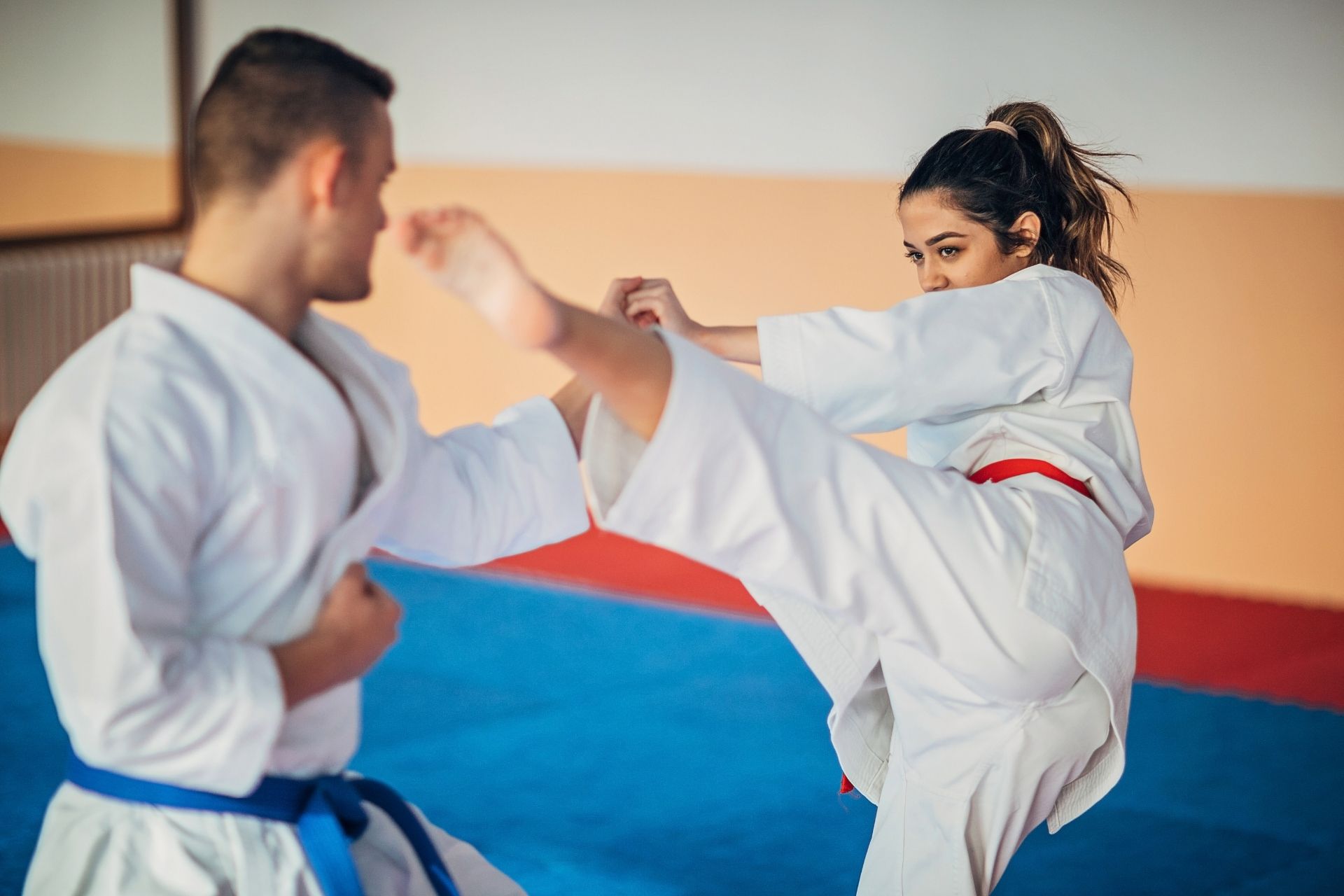 Our adult karate gis are available up to 210 cm. As with kids’ models, we recommend choosing a slightly larger size than your actual height. That way, you won’t end up with a gi that’s too small!
Good to know: some of our models, such as those from Shureido, are sized by number rather than centimeters. To make sure you choose correctly, check out our special gi size guide.
What fabric weight for a karate gi?
The material of a karate gi
On Budo-Fight, we offer 100% cotton gis as well as models made from polyester and cotton blends. How to choose? A 100% cotton karate gi is heavier and therefore more durable.
Models containing polyester are more flexible and wick away sweat more easily. They’re generally recommended for beginner karatekas, as synthetic fabric makes movements easier.
The karateka’s skill level
A lightweight gi makes combinations easier for kids or beginner adults. Experienced fighters tend to prefer a heavier fabric weight, which produces a snapping sound to highlight their techniques.
| Type of practitioner | Beginner child | Child competitor | Beginner adult | Adult competitor |
|
Recommended weight |
Light and flexible (70–200 g/m²) | Heavier (over 200 g/m²) | Light and flexible (200–300 g/m²) |
Heavier (around 400 g/m²) |
Essential accessories for karatekas
Now you’re ready to choose your future gi... But there are still 2 must-have items to complete your gear!
Karate belts
Also called obi, karate belts keep your gi in place—but that’s not all! Their different colors also indicate the karate rank achieved by the practitioner. Embroidered or not, satin or cotton... You’ll find a wide selection of karate belts on Budo-Fight.
Karate ranks and belt colors
| Rank | White belt | Yellow belt | Orange belt | Green belt | Blue belt | Brown belt | Black belt | Red belt |
| Name | 9th kyu | 8th kyu | 7th kyu | 6th kyu | 5th & 4th kyu | 3rd, 2nd & 1st kyu | 1st to 8th Dan | 9th & 10th Dan |
Karate gloves
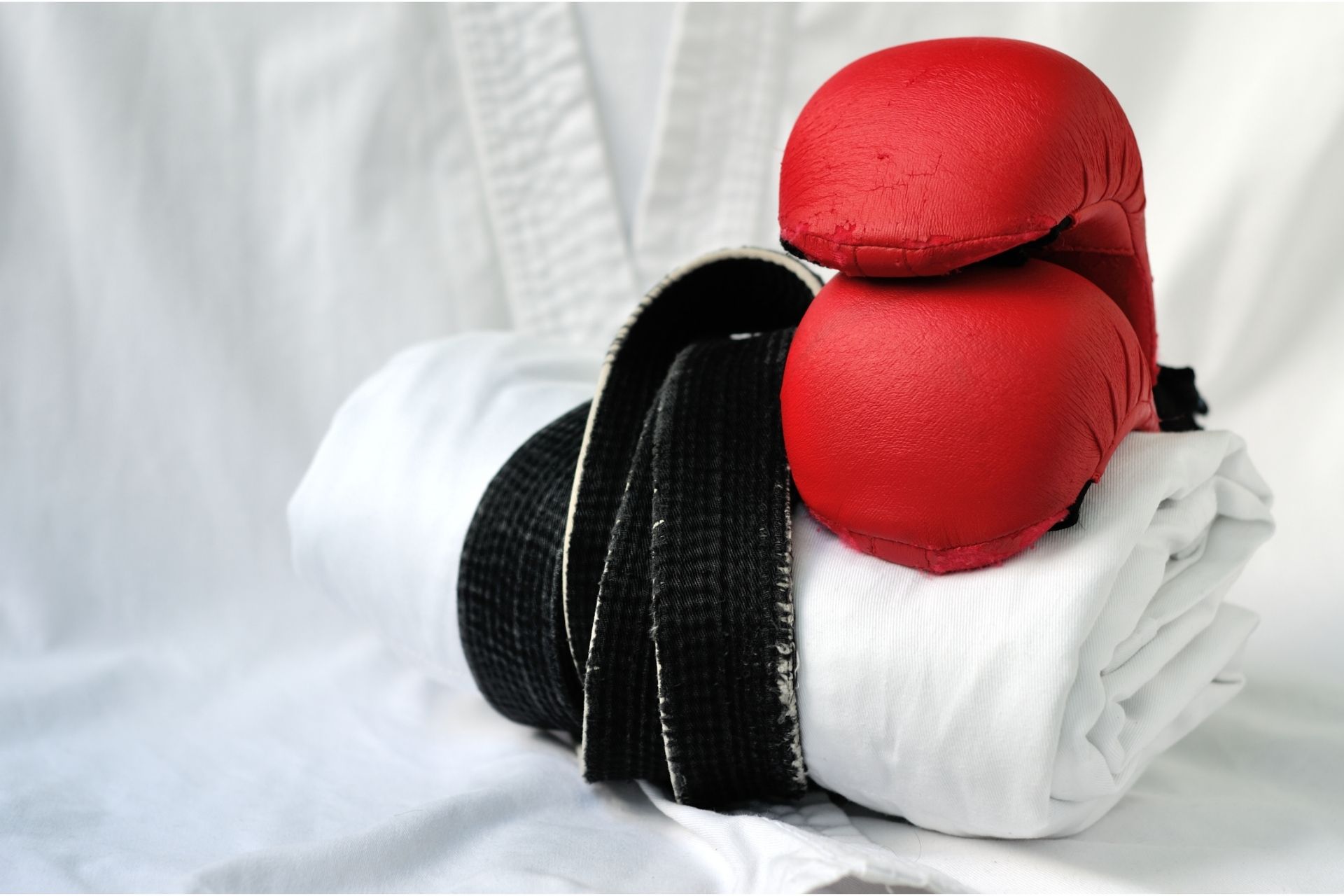 Why use a pair of gloves in karate sparring? Practitioners of traditional karate must wear “karate mitts”, open-palm gloves. They are essential to protect your joints from opponents’ grips and prevent injuries.
Want to practice contact karate? This blend of karate and full-contact allows kicks and punches.
Contact karate gloves look like boxing gloves and let you strike your opponent while protecting your hands.
On Budo-Fight, you’ll find many top brands: Kaiten, Shureido, as well as Adidas karate gis and Kamikaze, not to mention our own Budo-Fight brand. To save time shopping, check out our karate sets! With a gi, a pair of karate gloves, a belt, and even shin guards, they’re a great investment for beginner karatekas.