







Boxing Protection: Headgear, Mouthguards, Groin Guards, and Shin Guards
Looking for boxing protection for your training, sparring sessions, or competitions? At Budo-Fight, discover a wide selection of equipment for English boxing, Muay Thai, kickboxing, savate, MMA, and other combat sports.
Boxing headgear, mouthguards, groin guards, chest guards, shin and foot guards, hand wraps, and arm protection: each piece of equipment meets specific needs.
To make the right choice, it’s important to consider your discipline, body type, contact level, and your club’s guidelines.
Budo-Fight offers protection from its own brand, as well as models from Metal Boxe, Fairtex, Twins Special, Venum, Coolguard, Shock Doctor, and other specialized manufacturers, depending on availability.
From your first class to regular training, find equipment suited to different skill levels and budgets.
Why Wear Protection in Boxing and Combat Sports?
Boxing and combat sports can expose practitioners to impacts on various parts of the body.
The level of contact varies depending on the discipline and the type of exercise: technical work, light sparring, intensive training, or competition.
Protective gear is designed to cover certain exposed areas and absorb part of the impact, depending on its design.
However, it does not eliminate the risk of injury.
Main Types of Protection and Their Uses
Protection | Target Area | Common Use |
|---|---|---|
Boxing headgear | Head and parts of the face | Sparring and contact drills |
Mouthguard | Teeth and mouth tissue | Contact training and competition as per regulations |
Groin guard | Groin and genital area | Partner training and competition depending on the discipline |
Chest guard | Chest | Practices and situations requiring specific coverage |
Shin and foot guards | Shins and instep | Sparring in striking sports |
Forearm guards and elbow pads | Forearms and elbows | Drills involving contact on these areas |
Hand wraps and inner gloves | Hands and wrists | Support and comfort inside gloves |
Ankle supports | Ankles | Support or extra coverage depending on the model |
This table serves as a general guide.
Your choice should always be adapted to the actual exercises performed and your coach’s recommendations.
Boxing Headgear: Choosing the Right Protection for Sparring
Boxing headgear is used in many partner training sessions.
Depending on its design, it covers different areas of the head and face.
Paddings, field of vision, and fit are essential criteria.
Discover our selection of boxing headgear for training and sparring.
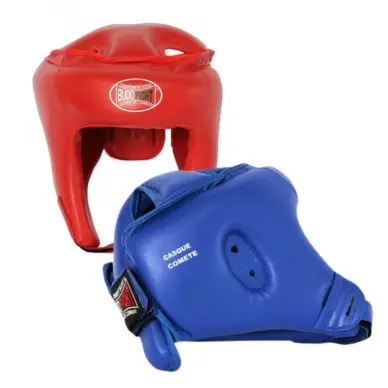
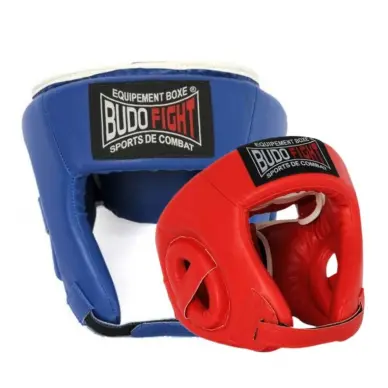
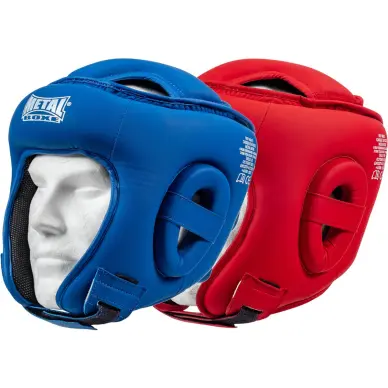
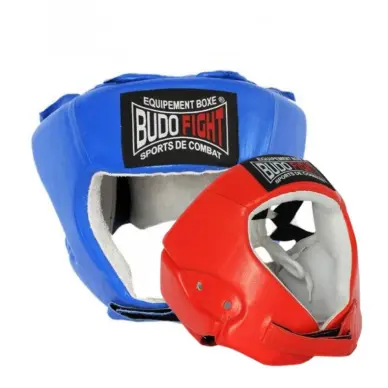
Open Boxing Headgear
Open models generally cover the forehead, temples, and sides of the head, depending on their design.
They are appreciated for their balance between coverage, lightness, and field of vision.
They can be suitable for various English boxing drills when their use aligns with club guidelines.
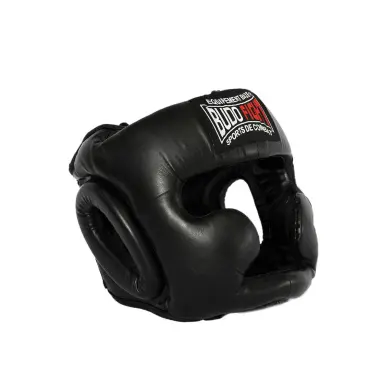
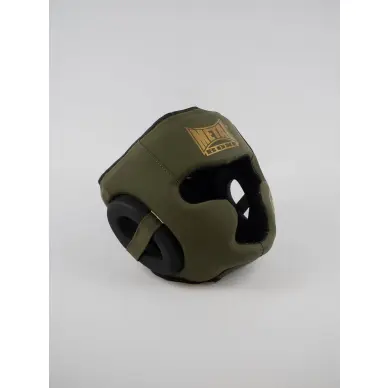
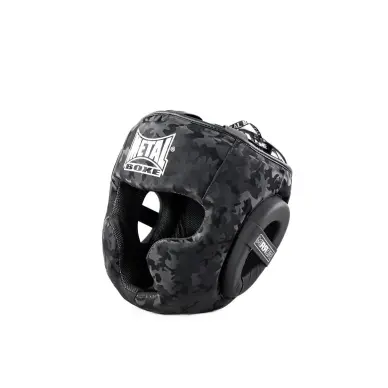
Full Face Headgear with Cheek Protection
Full face headgear features extra padding around certain parts of the face.
They can provide better coverage for the cheekbones and cheeks.
On the other hand, some models may reduce part of your peripheral vision.
It’s important to check that the headgear allows you to follow your partner’s movements properly.
Headgear with Protective Bar
Some headgear features a bar in front of the nose.
This design aims to reduce exposure of this area to direct impacts.
Comfort, visibility, and compatibility with your training should be checked before purchase.
Headgear with a bar is not necessarily allowed in all types of competition.
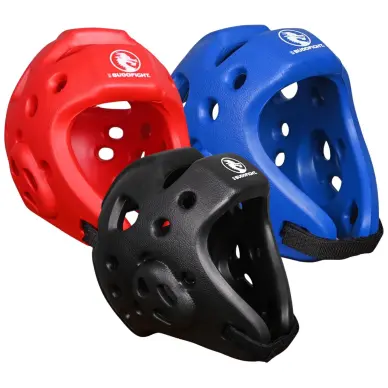
Headgear for Striking Disciplines
In Muay Thai, kickboxing, and other disciplines that allow high kicks, coverage on the top of the head can be an additional consideration.
Certain models feature padding specifically designed for this area.
Your choice depends on the techniques you practice and the design of the headgear.
How to check your headgear size?
Measure your head circumference according to the manufacturer's instructions.
Once adjusted, the headgear should stay stable during movement, without slipping over your eyes or causing excessive pressure.
Also check:
Coverage of the forehead and temples.
The position of the cheek guards, if present.
The closure system.
Comfort around the ears.
Field of vision.
Stability during movement.
Important: boxing headgear does not reliably prevent concussions. Strike control, supervision, and following the rules remain essential.
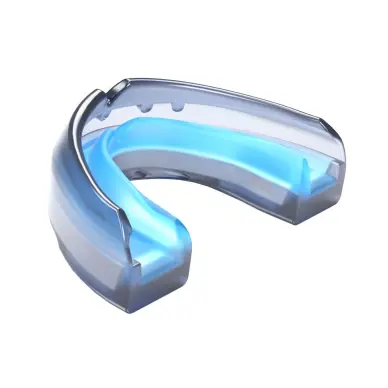
Boxing Mouthguards: protect your teeth and mouth
The mouthguard is one of the most important pieces of equipment for contact combat sports training.
It is designed to help reduce the risk of certain dental and mouth tissue injuries.
Your choice mainly depends on the shape, size, and fit to your teeth.
At Budo-Fight, compare our mouthguards for boxing and combat sports.
Single mouthguard
Single models are generally designed to cover one dental arch.
They come in a range of prices and can suit many athletes, as long as they are properly fitted.
Certain references are available in Junior and Senior sizes.
Boil-and-bite mouthguard
Boil-and-bite mouthguards are designed to be molded to your teeth by following the manufacturer's instructions.
Some models feature a gel layer or multiple materials to improve fit.
Temperature and preparation method must be strictly followed.
Poor molding can compromise comfort and retention.
Single or double mouthguard?
Single and double models offer different coverage.
Your choice depends on the discipline, personal preference, and intended use.
A double model is not automatically better: you also need to consider breathing, comfort, and fit.
How do you know if your mouthguard fits properly?
A properly fitted mouthguard should stay in place without needing to constantly clench your jaw.
It should not cause significant discomfort or prevent you from breathing normally.
If you wear braces or have special dental needs, consult your dentist before choosing or molding a model.
How to care for your mouthguard
After each use:
Clean it according to the manufacturer's recommendations.
Let it dry thoroughly.
Store it in a clean, suitable case.
Regularly check its shape and condition.
Replace it if it becomes deformed, damaged, or no longer fits properly.
A mouthguard is a personal item and should not be shared between athletes.
Groin guards for boxing: men, women, and children
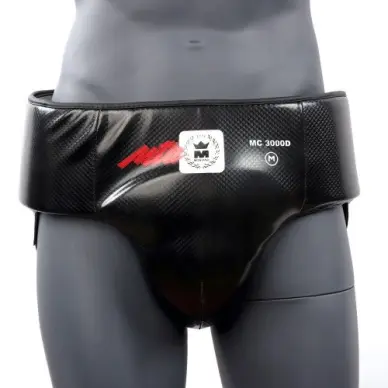
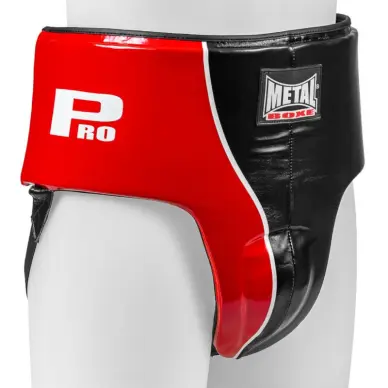
The groin guard is designed to cover the genital area and, depending on the model, part of the groin or lower abdomen.
It is used in many combat sports.
The type of groin guard depends on body shape, practiced techniques, and the level of protection required.
Discover our selection of groin guards for combat sports.
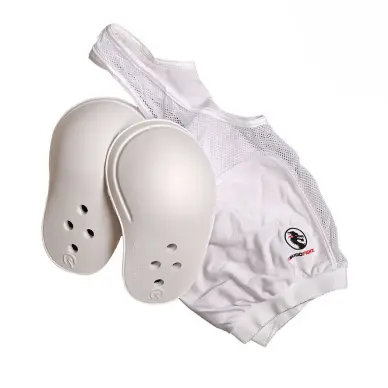
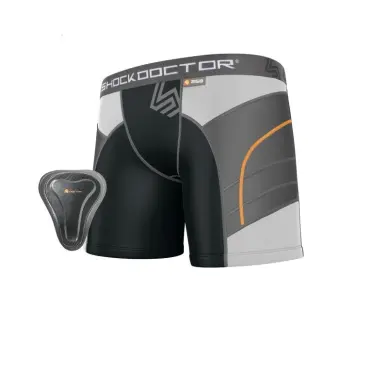
Groin guards for men
Men's models may feature a rigid or semi-rigid anatomical shell and a textile support system.
Some have an integrated supporter, while others require a compatible groin guard holder.
To choose correctly, check:
The size and shape of the shell.
Covers the intended area.
The support system.
Freedom of movement.
Comfort at the waist and thighs.
The manufacturer's recommended use.
A groin guard should stay properly positioned during movement.
Groin guards for women
Women's models are designed to fit the female body and the areas they are meant to protect.
At Budo-Fight, various references are available in different sizes and materials.
Your choice mainly depends on fit, comfort, and the exercises performed.
Full groin guards for boxing
Certain boxing models offer wider protection for the lower abdomen and groin.
They can be used in training or competition according to the applicable requirements.
Their shape and closure system differ from the compact groin guards used in other disciplines.
Groin guards for Muay Thai
Muay Thai also features specific models, including rigid groin guards designed for this discipline.
The material, fastening system, and shape vary depending on the product.
Before purchasing, compare the features of each model and your coach’s recommendations.
How to choose the right size?
Refer to the manufacturer’s size guide.
A groin guard that is too large may shift, while a model that is too small can cause discomfort or leave some areas insufficiently covered.
Comfort should be checked both when standing and during training movements.
Chest Guards and Body Protection
Chest guards and torso protection meet specific needs depending on the discipline and body type.
They do not all cover the same areas.
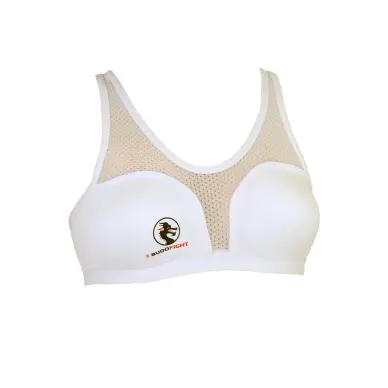
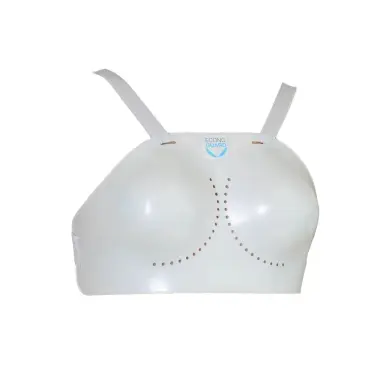
Women’s Chest Guards
Some protectors feature rigid shells designed to cover the chest.
Others use padded elements or specific textile structures.
At Budo-Fight, Coolguard models and other chest guards allow you to compare different designs.
Some sets combine shells and a sports bra, while other elements may be offered separately.
Before ordering, carefully check the product’s composition.
Shells and Sports Bras: Check Compatibility
A shell designed to be worn in a specific support should not be considered automatically compatible with all sports bras.
To choose, check the sizes, shape, and manufacturer’s instructions.
The equipment should remain stable during movement without causing excessive compression.
Chest Guards and Torso Protection
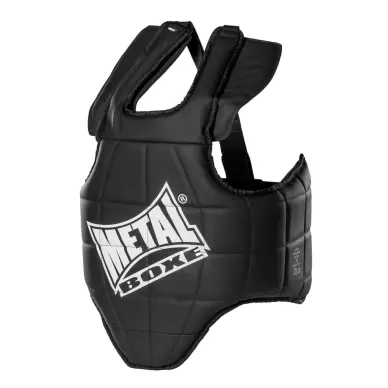
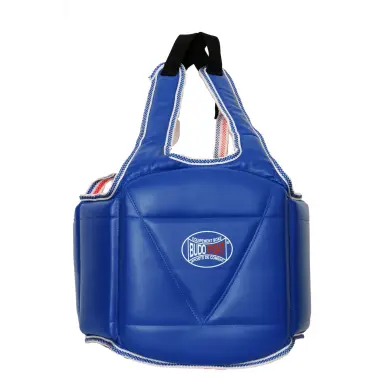
Chest guards may cover part of the chest or torso depending on their design.
They are used in certain disciplines and training situations.
It’s important to distinguish protectors worn by the athlete from chest guards intended to absorb strikes when worn by a coach.
These pieces of equipment are not necessarily interchangeable.
For competition, always check the features allowed by the organizer.
Shin Guards and Foot Guards for Muay Thai and Kickboxing
In striking disciplines, the shins and feet are especially exposed.
Shin guards and foot guards are often used during partner drills and sparring sessions.
The choice depends on contact intensity, body type, and club rules.
Discover our selection of shin guards and foot guards for boxing.
Soft Shin Guards
Cotton or elastic textile models generally feature soft padding.
They may be suitable for certain technical drills or light-contact training.
Their lightness and easy slip-on design are appreciated by many practitioners.
However, they do not necessarily offer the same coverage as more enveloping models.
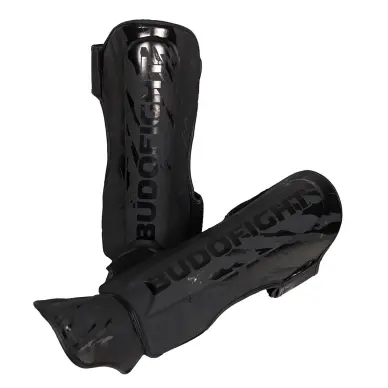
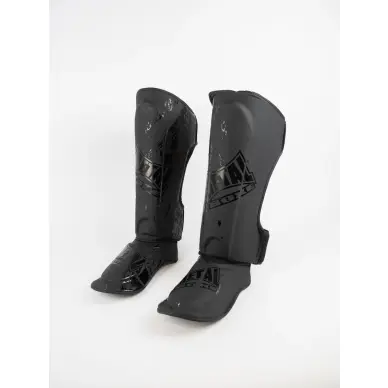
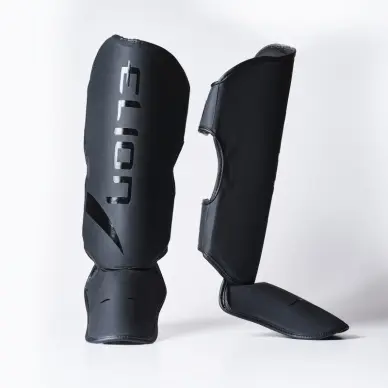
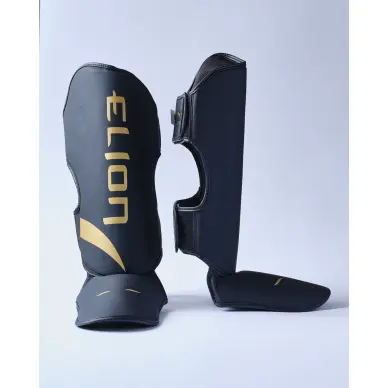
Shin Guards with Foot Protection
Some models protect both the shin and part of the foot.
They are especially used in kickboxing and Muay Thai training involving kicks.
Instep coverage, foam thickness, and support are important criteria.
Stiffer or Reinforced Shin Guards
For training with heavier contact, some athletes look for thicker, more enveloping protection.
These models may use multi-layer foams and durable coverings.
Their ability to reduce impact depends on their overall design.
A heavy or rigid model is not automatically the most comfortable for every user.
How to choose the size of your shin guards?
Manufacturers offer different sizes, often labeled XS, S, M, L, or XL.
These size charts vary by brand.
To choose, consider:
The length of your shin.
Your calf circumference.
The desired instep coverage.
The closure system.
Stability during movement.
Freedom of ankle movement.
Shin guards that are too large may twist or slip during sparring.
Models that are too small may be uncomfortable or leave some areas insufficiently protected.
Shin Guards for Beginners and Experienced Practitioners
For beginners, choose a model compatible with the drills offered at your club.
For regular sparring sessions, pay extra attention to padding, coverage, and stability.
The right choice depends on your coach’s advice, not just your level or the price.
Arm, Hand, and Wrist Protection
The hands, wrists, and forearms are used in many combat sports.
Depending on the discipline, several types of equipment may be used: hand wraps, inner gloves, hand guards, forearm guards, or elbow pads.
Discover our arm and hand protection.
Hand Wraps
Hand wraps are used under gloves to provide extra support for the hands and wrists.
They come in various lengths and materials.
Your choice depends on hand shape, wrapping method, and training habits.
Discover our hand wraps to complete your gloves.
Wraps should be properly applied, without excessive compression.
They are not a substitute for suitable gloves or proper striking technique.
Boxing inner gloves
Inner gloves are an alternative or an extra layer used by some athletes.
Depending on their design, they can add comfort, help manage sweat, or support specific areas of the hand.
Some models feature extra padding at the knuckles.
Compare the different boxing inner gloves.
Make sure their thickness is compatible with the space inside your gloves.
Forearm guards
Forearm guards are used in some disciplines that involve blocking and repeated arm contact.
They come in different styles, including flexible textile constructions.
Your choice depends on the area covered and the techniques practiced.
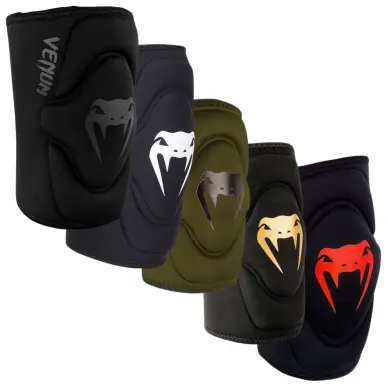
Elbow pads and hand guards
Elbow pads can be used for certain drills when allowed by your discipline and club rules.
Hand guards or protective mitts meet other needs, especially for specific martial arts practices.
These accessories should not be considered interchangeable with classic boxing gloves.
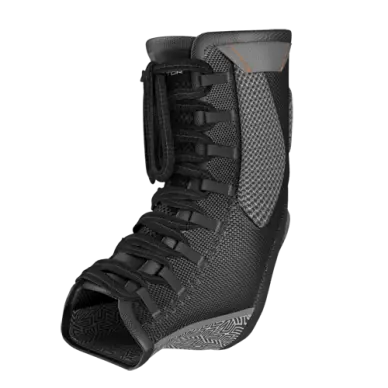
Ankle supports and additional protection
The catalog also includes ankle supports and other accessories.
Their functions vary by model: support, comfort, or coverage for a specific area.
An ankle support does not replace a shin guard designed to absorb strikes.
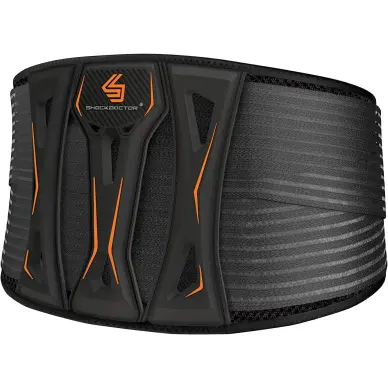
If you experience pain or injury, do not consider a protective or compression accessory as a substitute for medical advice.
Which protection to choose for your discipline?
English boxing, savate, Muay Thai, kickboxing, and MMA do not expose the same body areas to contact.
Needs also vary between technical drills and partner training sessions.
Protection for English boxing
In English boxing, only punches are allowed as striking techniques.
For contact training, a mouthguard and groin guard may be required depending on your club’s guidelines.
Headgear can be used for some sparring sessions.
Hand wraps and gloves should also match your practice.
Protection for savate French boxing
Savate combines codified punching and kicking techniques.
Your choice of protection depends on the type of practice, drills, and applicable rules.
Shin guards or other additional equipment may be used in some sessions.
Shoes, gloves, and protection must meet the discipline’s requirements.
Protection for Muay Thai
Thai boxing uses punches, kicks, knees, and elbows.
For sparring, shin guards with instep coverage are often used.
Depending on the drills, your club may also recommend elbow and knee protection, a groin guard, and a mouthguard.
Your choice depends on the intensity and type of contact.
Protection for kickboxing and K-1
These disciplines involve various punch and kick techniques.
Shin guards and foot guards can be important for technical partner drills.
Headgear, groin guard, and mouthguard should also be considered depending on the session.
Competition requirements may differ from training needs.
Protection for MMA
MMA combines striking and grappling phases.
The equipment used can vary depending on whether you’re working stand-up, grappling, or sparring.
To complete your gear, check out our selection of MMA equipment.
Some shin guards are better suited for striking drills, while other equipment enhances the mobility needed for groundwork.
Your choice should follow your coach’s recommendations and the rules of your activity.
Which boxing protection should you choose as a beginner?
A beginner doesn’t need to buy every available protection right away.
Your gear should be chosen based on your discipline and the actual drills offered by your club.
Start with the essentials
For your first sessions, ask your coach which accessories are required.
Depending on your discipline, these may include:
Appropriate gloves.
Hand wraps or inner gloves.
Mouthguard.
Groin guard.
Shin and foot guards.
Headgear for some partner drills.
To prepare for your first session, see our essential boxing gear guide for beginners.
Should you buy premium equipment?
Not necessarily.
A well-designed entry-level model can meet a beginner’s needs.
Prioritize size, comfort, support, and compatibility with your training above all.
For regular practice, material quality and durability also become important factors.
Boxing sets for your first training sessions
Some practitioners prefer to buy several pieces of equipment in a single set.
Our boxing sets for kids and adults let you compare different combinations depending on your discipline.
Before placing your order, check which protective gear is actually included and what sizes are available.
Not all sets contain the same accessories.
Boxing protection for kids and teens
Younger practitioners should use protective gear suited to their body type and skill level.
Even a small adult size does not automatically fit a child.
Check Junior and Senior sizes
Some mouthguards, groin guards, and other protective gear are available in both Junior and Senior versions.
These labels do not always correspond to the same measurements across all brands.
Refer to size guides and age recommendations when available.
Adjust fit and comfort
Protective gear should stay securely in place during movement.
It should not excessively restrict breathing, vision, or mobility.
Comfort is especially important for young practitioners discovering the sport.
Have your gear approved by your club
Activities and contact levels vary by age and type of session.
It’s best to consult your coach before buying equipment for a child.
Technical progress and controlled sparring remain priorities.
Which protective gear should you use for sparring and competition?
Requirements are not the same for technical training, sparring, and official bouts.
Protective gear for sparring
Sparring involves practicing techniques with a partner.
Your protective gear should match the intensity of the session and your club’s guidelines.
Mouthguard, groin guard, shin guards, and headgear may be part of your equipment depending on the discipline.
Gloves should also be suited to your training exchanges.
Check out our boxing gloves for different types of training.
For more information, see our guide to choosing sparring gloves.
No combination of protective gear eliminates the risks of striking.
Respect for your partner and control of intensity are always essential.
Protective gear for competition
Authorized or required equipment varies depending on:
The discipline.
The federation or organizer.
The age category.
The competition level.
The weight class, where applicable.
The event’s rules.
Headgear may be mandatory in some categories and forbidden in others.
Colors, closures, materials, or certifications may also be subject to specific requirements.
A product labeled “competition” is not automatically allowed in all competitions.
Before buying, check the official rules and your coach’s recommendations.
Is CE marking enough for competition?
No. CE marking, when applicable and present, is not in itself a certification for all sporting competitions.
An organizer may require a specific model, standard, color, or approval.
Always check the event’s specific requirements.
How to choose the right size for your boxing protective gear?
Poorly fitted gear can slip, restrict movement, or leave some areas insufficiently covered.
It’s important to check the size of each item rather than choosing only based on price.
Measurement chart to check
Equipment | Main criteria |
|---|---|
Headgear | Head circumference, stability, and field of vision |
Mouthguard | Fit to teeth and retention |
Groin guard | Body shape, waist circumference, and positioning |
Chest guard | Chest circumference, cup size, and support |
Shin guards | Shin length, calf circumference, and foot coverage |
Elbow pads and forearm guards | Arm circumference and covered area length |
Inner gloves | Hand size and glove compatibility |
S, M, L, and XL sizing may vary from one brand to another.
Check support during movement
Try to perform your usual martial arts movements to check stability.
Shin guards should stay in place as you move.
Headgear should not slip down over your eyes.
A groin guard should not shift or cause significant discomfort.
Avoid overly tight protection
Very tight protection is not necessarily more effective.
Excessive compression can cause discomfort and hinder your training.
Choose a stable, comfortable fit according to the manufacturer's guidelines.
Leather, polyurethane, foam, and textile: which materials to choose?
Protective gear uses different materials depending on its function.
The outer covering alone does not determine overall quality.
Foams and padding
Many headgear and shin guards use foam designed to absorb some impact.
The density, thickness, and distribution of the foam affect feel and comfort.
Some models use several layers of materials.
Very firm foam is not automatically better for all disciplines.
Rigid shells
Groin guards and some chest guards use rigid elements designed to cover specific areas.
Their shape should match your body and the area to be protected.
A shell should not show any damage that could compromise its use.
Genuine leather and synthetic materials
Headgear and some leg guards are available in natural leather or polyurethane.
These materials offer different feel, care, and durability characteristics.
Quality of construction, stitching, and fastenings remains essential.
Soft and elastic textiles
Inner gloves, hand wraps, some elbow pads, and forearm guards often use elastic or padded textiles.
Comfort depends on fit and the ability to stay in place.
Follow the washing and care instructions for each material.
Boxing protection brands available at Budo-Fight
Our selection includes several manufacturers specializing in combat sports.
Your choice depends on model features, your budget, and your discipline.
BudoFight: protection for all levels
Our brand offers headgear, mouthguards, groin guards, shin guards, hand wraps, and various additional protection.
The ranges allow you to compare different designs and price points.
They are suitable for beginners, regular practitioners, and clubs, depending on the model.
Fairtex and Twins Special: the world of Muay Thai
Fairtex and Twins Special are brands associated with Muay Thai boxing.
They offer a variety of gear for striking sports.
To compare their protective gear, check the size, padding, support system, and intended training use.
Metal Boxe: protection for combat sports
Metal Boxe offers equipment for all levels of practice.
The brand is especially known for headgear and complementary protection.
Your choice depends on the specific features of each item.
Venum: boxing, kickboxing, and MMA
Venum offers protection for several combat sports.
Models stand out for their shape, padding, materials, and finish.
Coolguard and Shock Doctor: specialized equipment
Coolguard is especially known for chest guards.
Shock Doctor offers a range of protective gear and accessories, especially for the mouth and certain body areas.
These brands complement the BudoFight range and other manufacturers.
The best gear isn’t always the most expensive: it’s the one that fits your body type, your discipline, and your training needs.
Boxing Protection Gear for Clubs and Training Gyms
Clubs often welcome practitioners of different sizes and skill levels.
Having a wide range of gear makes it easier to organize sessions in the best conditions.
Plan for Multiple Sizes
Headgear, shin guards, and other protection gear should match the user’s body type.
In a club, several sizes may be needed.
A single model may not fit all athletes.
Choose Easy-to-Maintain Equipment
Shared gear must be cleaned according to the manufacturer’s instructions.
Some protection gear, especially mouthguards, are strictly personal.
For headgear and other equipment that may be shared, it’s important to set up proper hygiene rules.
Organize Storage and Transport
Protective gear should be stored in a dry, ventilated place.
Avoid leaving them damp in a closed bag for long periods.
To transport your gear, check out our selection of sports bags for boxing and martial arts.
Damaged or heavily worn equipment should be inspected before being used again.
How to Care for Your Boxing Protection Gear?
Regular maintenance helps preserve hygiene, comfort, and the lifespan of your equipment.
After Every Training Session
Take your protective gear out of your sports bag.
Let them dry in a ventilated area.
Clean the surfaces using a method compatible with the materials.
Avoid excessive heat and products that could damage the coverings.
Caring for Headgear and Shin Guards
Regularly check straps, closures, stitching, and padded areas.
Equipment with severely damaged foam or faulty fastenings may become unsuitable.
Follow the manufacturer’s instructions for cleaning and drying.
Caring for Groin Guards and Chest Guards
Clean textile parts and shells according to the product’s recommendations.
If some parts are removable, check if they’re washable before taking them off.
Inspect the condition of the shells and support system.
Caring for Hand Wraps and Inner Gloves
Textile accessories may require regular washing.
Follow the manufacturer’s guidelines for temperature, drying, and approved products.
A wrap that’s too loose or damaged may no longer provide proper support.
When Should You Replace Protection Gear?
Regularly check:
The condition of the padding.
Stitching and fastenings.
Rigid parts.
Signs of deformation.
Stability during movement.
Any cracks or damage.
Protection gear should be replaced if it’s no longer suitable or shows damage that compromises its use.
Frequently Asked Questions About Boxing Protection Gear
What protection gear do you need to start boxing?
The choice depends on your discipline and training. Suitable gloves, hand wraps or inner gloves, a mouthguard, and some additional protection gear are common essentials. Ask your club for the exact list.
Is a mouthguard mandatory in boxing?
It’s required in many contact situations and competitions, but the exact requirements depend on your discipline and the applicable rules.
Do you need to wear headgear for sparring?
Headgear is used in many sparring sessions. Its use depends on the club, intensity, and discipline. It does not guarantee protection against concussions.
What’s the difference between open-face and full-face headgear?
Open-face headgear usually offers better visibility and less coverage. Full-face headgear has extra padding on certain areas of the face, depending on its design.
Which groin guard should you choose for English boxing?
Choose a groin guard that fits your body type and meets your training needs. Some full-coverage models also protect a larger area of the lower abdomen and groin.
What protection gear should you choose for Muay Thai?
For contact training, shin and foot guards, a mouthguard, and a groin guard are commonly used. Other protection gear may be recommended depending on your exercises.
Are soft shin guards suitable for sparring?
They may be suitable for some light-contact drills. For more intense exchanges, a more protective and suitable model is recommended.
How do you choose the size of a shin guard?
Measure the length of your shin and, if required by the manufacturer, your calf circumference. The shin guard should stay in place without restricting movement.
Are chest guards mandatory?
This depends on the discipline, type of training, category, and regulations. Check your club or competition organizer’s guidelines.
Do competition guards need to be approved?
Some competitions require specific approvals or features. Always check the applicable requirements before purchasing.
Can you use the same guard for several disciplines?
Some models are versatile, but not all. A guard suitable for Muay Thai sparring is not necessarily allowed in a boxing or MMA competition.
How often should you replace your guards?
There is no universal frequency. Regularly check the condition of materials, fastenings, and padding, and follow the manufacturer’s recommendations.
Why buy your boxing guards from Budo-Fight?
Since 1963, Budo-Fight has been supporting martial arts and combat sports practitioners in choosing their equipment.
Our selection includes headgear, mouthguards, groin guards, chest guards, shin guards, foot guards, hand wraps, and other protective accessories.
Whether you practice boxing, Muay Thai, kickboxing, savate, or MMA, compare models based on their design, size, support, and your budget.
From beginner guards to equipment for regular training, find a range of brands and product lines to complete your gear.
Discover our boxing guards at Budo-Fight and choose the accessories suited to your discipline, body type, and training requirements.