







Grappling and No-Gi Gear & Equipment: Rashguards, Shorts, Protective Gear & Dummies
Looking for grappling gear to get started, improve, or prepare for a competition? At Budo Fight, explore our selection of grappling equipment designed for ground training and combat.
Find all the essentials for your discipline: rashguards, grappling shorts, spats and compression wear, protective gear, ear guards, mouthguards, grappling dummies, and training accessories.
Whether you practice grappling, MMA, Brazilian Jiu-Jitsu (BJJ), or wrestling, choose gear that matches your body type, skill level, and your club’s requirements.
What Gear Do You Need for Grappling?
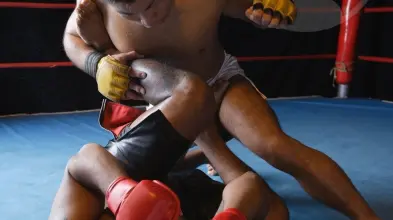
Grappling is a combat sport focused on grips, takedowns, control, transitions, and submission techniques.
Unlike striking disciplines, most grappling formats do not allow punches or kicks. Your outfit must be especially suited for close contact, ground movement, and position changes.
Several items can be useful for your gear:
The grappling rashguard: a fitted technical top that moves with you and reduces direct friction with the mat.
The grappling short: flexible wear that allows squats, movement, and guard passing.
Spats or compression leggings: for extra leg coverage during ground drills.
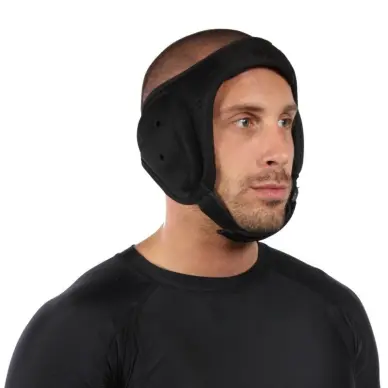
Ear guards: to help reduce trauma from repeated pressure and friction.
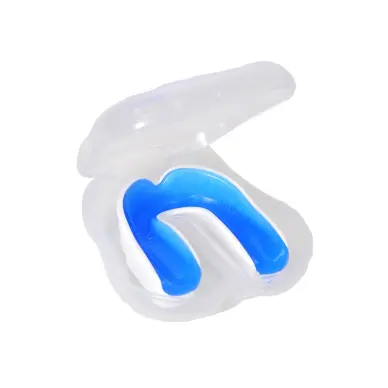
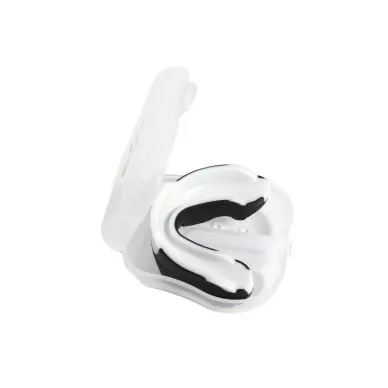
Mouthguard: to help protect your mouth and teeth during accidental contact.
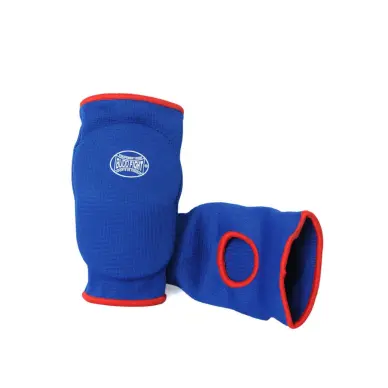
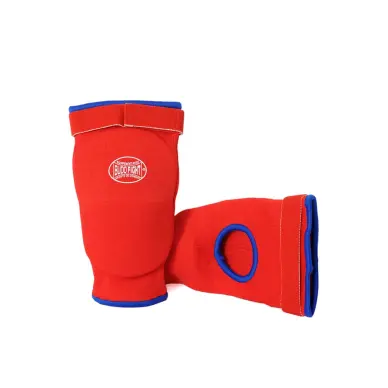
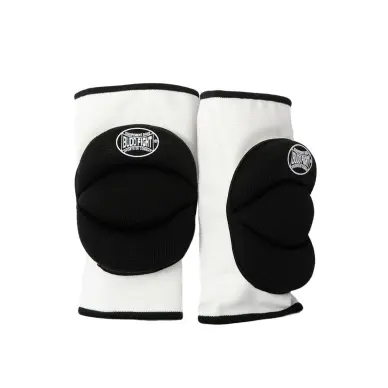
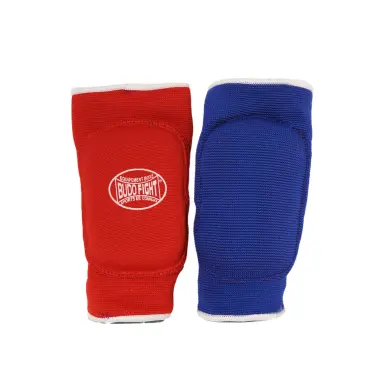
Knee pads: for added comfort during frequent knee support.
Grappling dummy: to drill technical moves without always needing a partner.
The gear required or allowed may vary depending on your club, federation, or competition.
Grappling & No-Gi Rashguards: Comfort and Freedom of Movement
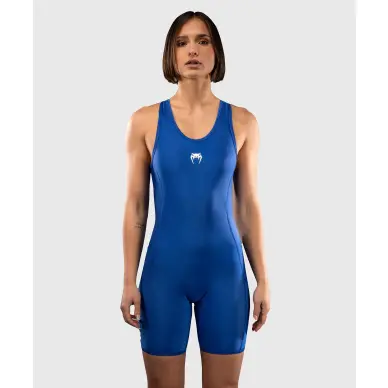
The grappling rashguard is a close-fitting technical top, highly valued for ground fighting and No-Gi BJJ.
Its fitted cut reduces excess fabric that could hinder grips and transitions. Depending on its design, it can also help minimize direct friction between your skin and the mat.
Check out our selection of rashguards for combat sports.
Short Sleeve or Long Sleeve Rashguard?
Short sleeve rashguards leave the forearms exposed and can be great for intense training sessions.
Long sleeve rashguards provide more arm coverage and reduce direct skin contact with training surfaces.
In both cases, choose a comfortable model that stays in place during movement and ground drills.
How to Choose Your Rashguard Size?
A rashguard should fit close to the body without restricting breathing or limiting shoulder and arm movement.
Check the manufacturer’s size guide, especially chest and waist measurements. A rashguard that’s too loose may ride up during training, while one that’s too tight can become uncomfortable.
For competition, also check the rules regarding fit, colors, and any required rank markings.
Grappling Shorts and Compression Wear
Grappling shorts should support fast movement, squats, and ground techniques without restricting you or your training partner.
Discover our shorts and compression wear for combat sports.
To choose the right short, check:
The cut, roomy enough for technical movements.
Fabric flexibility, helpful for throws and guard passing.
Seam strength, as they’re heavily stressed during training.
Waist support, to prevent the short from slipping.
No hard or dangerous elements, according to your discipline’s rules.
Grappling Shorts or MMA Shorts?
Grappling shorts and MMA shorts often share similar features.
An MMA short may be suitable for some grappling training sessions, but requirements vary depending on the competition, especially regarding length, pockets, and closure systems.
Before any official event, always check the applicable regulations.
Spats and Compression Leggings for Grappling
Grappling spats are technical, form-fitting leggings, worn alone or under a short depending on your training habits and the rules of your discipline.
They provide extra leg coverage and can help reduce direct friction against the tatami.
Discover our technical and compression wear to complete your No-Gi outfit.
Full-length spats usually cover the entire leg, while shorter models offer different coverage. Your choice depends on your preferences, gym temperature, and your club’s requirements.
For competitions, check if compression leggings are allowed and under what conditions they can be worn.
Grappling Protection: Ears, Teeth, and Knees
Close contact, gripping, and repeated ground movements put stress on various parts of the body.
Proper grappling protection can help reduce certain risks and improve comfort during training.
Grappling Ear Guards
The ears are especially exposed to friction and pressure during controls and grips.
Repeated trauma can lead to an auricular hematoma, sometimes resulting in cauliflower ear.
The Budo Fight ear guard offers extra protection for practitioners looking to minimize impacts and friction.
Choose a model that fits well, is stable, and comfortable. If you experience pain or swelling in your ear, stop training and seek medical advice promptly.
Mouthguards for Grappling
The mouthguard can be useful during partner drills to help reduce the risk of accidental impacts.
Also check out our moldable mouthguard.
Choose a model that fits your teeth and follow the manufacturer’s instructions for fitting and care.
Grappling Knee Pads
Knee pads can provide extra comfort during drills involving frequent knee contact.
They should stay securely in place without restricting movement. Also check their compliance if you plan to use them in competition.
No protection can completely eliminate the risk of injury: supervision, technical control, and following instructions remain essential.
Grappling Dummies: Perfect Your Ground Techniques
Grappling dummies let you practice certain moves and sequences without always needing a training partner.
They are a valuable addition to club sessions for developing coordination, working on transitions, and improving technical repetition.
Depending on their design, they can be used to practice:
Ground controls and positional changes.
Transitions and guard passing.
Certain submission moves, in a technical setting.
Movement sequences and repetitions.
Mobility and coordination drills.
However, a dummy cannot replace a partner who can react, resist, or adapt their movements.
How to Choose Your Grappling Dummy?
Before buying a dummy, consider:
Weight, which should match your size and the drills you plan to do.
Size and shape, depending on the positions you want to work on.
Flexibility, which affects handling possibilities.
Materials and cover, based on usage intensity.
Available space, to perform drills comfortably.
For clubs and intensive practitioners, durability for repeated use is also an important factor.
See our dedicated category for grappling dummies.
Bags and Accessories for Grappling Training
Complete your gear with grappling accessories suited to your goals.
Depending on the equipment and drills, these accessories can help develop coordination, endurance, mobility, and overall fitness.
Training bags and other complementary gear can be integrated into your physical or technical preparation, depending on their design.
When choosing your equipment, consider your discipline, skill level, available space, and your coach’s recommendations.
Grappling, BJJ No-Gi, Wrestling, and MMA: What Are the Differences?
Grappling shares many techniques with other disciplines, but their rules, objectives, and equipment may vary.
Grappling and Brazilian Jiu-Jitsu No-Gi
Brazilian Jiu-Jitsu No-Gi is practiced without the traditional BJJ gi.
Practitioners usually wear a rashguard and shorts designed for ground work. Grappling and BJJ No-Gi share many similarities, including controls, guard passing, and submissions.
However, rules and victory criteria may differ depending on the organization.
Also check out our Brazilian Jiu-Jitsu (BJJ) category.
Grappling and Wrestling
Sport wrestling focuses on takedowns, controls, and pins depending on the style practiced.
Submission wrestling also includes submission techniques, depending on the applicable rules.
These disciplines may share training methods with grappling, but competition gear and rules are not necessarily the same.
Grappling and MMA
MMA combines striking, wrestling, and ground fighting techniques.
Grappling is therefore a key part of technical training for many MMA athletes.
However, gear designed for grappling is not automatically suitable for striking drills or MMA fights. Choose your equipment according to your training type.
Which grappling gear should you choose to start?
To start grappling, you don't need to buy every accessory right away.
The most important thing is to have appropriate clothing and follow your club's guidelines.
A basic set may include:
A comfortable rashguard, suitable for ground movement.
Grappling shorts, flexible and free of rigid, uncomfortable elements.
A mouthguard, if recommended by your coach.
Ear guards, depending on your needs and training intensity.
For kids and teens, choose clothing suited to their body type and ask their instructor for advice before buying additional protection.
Grappling gear for intensive training and competition
Practitioners training several times a week should choose comfortable, durable, and easy-to-care-for clothing.
Repeated contact puts extra stress on fabrics, seams, and fastenings.
For intensive practice, regularly check your gear and replace any damaged items.
What rules should you follow in grappling competitions?
Competitions may have specific requirements regarding:
Rashguard color and fit.
Short length and design.
Permission to wear spats or compression leggings.
Use of protective gear, especially ear guards and knee pads.
No dangerous accessories for training partners.
Before competing, check the official rules from your federation or event organizer.
How to care for your grappling gear?
Grappling involves frequent contact with the tatami and training partners. Good hygiene for your gear is essential.
After each session, wash your rashguard, shorts, and spats according to the manufacturer's instructions.
Avoid leaving damp clothes in your gym bag. Clean your protective gear regularly and let it dry in a ventilated area.
Also check seams, fastenings, and the overall condition of your equipment.
Finally, follow your club's hygiene rules, especially regarding nails, shoes, and skin condition.
Buy your grappling and No-Gi gear at Budo Fight
Since 1963, Budo Fight has supported martial arts and combat sports practitioners in choosing their equipment.
Whether you're starting grappling, BJJ No-Gi, or submission wrestling, or preparing for competition, find a selection of gear designed for ground fighting.
Discover:
Get ready for your next training sessions with Budo Fight and choose your gear according to your level, body type, and goals.
See our full selection of grappling gear and equipment.