Judo Gis: Judo Uniforms for Training and Competition
Looking for a judo gi that matches your level, body type, and training needs? At Budo-Fight, discover a wide selection of judo gis for kids, beginners, and advanced judokas and competitors, with various weights, cuts, and levels of durability.
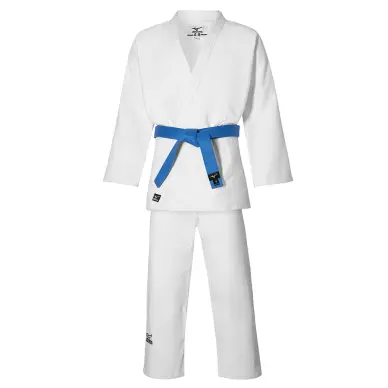
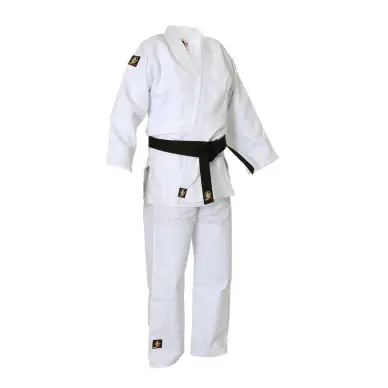
The judo gi, also called judogi, is essential gear for practicing judo in the best conditions. It consists of a jacket (uwagi), pants (zubon), and a belt (obi). Unlike regular sportswear, the judo gi must withstand gripping, pulling, throwing, and friction on the tatami.
From the lightweight 210 g/m² judo gi for first training sessions to competition judo gis of 800 g/m² and above, each model meets specific needs.
At Budo-Fight, you'll find Budo-Fight judo gis, Adidas judo gis, and Mizuno judo gis, a renowned Japanese brand known for its high-end competition gear.
How to Choose Your Judo Gi?
Choosing a judo gi mainly depends on the practitioner's age, level, training frequency, and intended use.
A child starting judo will prefer a lightweight, flexible, and comfortable uniform. A judoka training several times a week will look for more durability. Competitors must also consider their federation's rules.
To choose the right judo gi, several criteria are important:
The fabric weight, expressed in g/m², which allows you to compare fabric density.
The composition, usually cotton or a cotton-polyester blend.
The weave, especially the rice grain weave characteristic of many judo gis.
The cut and size, which must ensure good freedom of movement.
Reinforcements and stitching, essential for withstanding grips and throws.
IJF approval, when required for competition.
The best judo gi isn't necessarily the heaviest or most expensive. Above all, it should be suited to your practice.
Which Fabric Weight to Choose for a Judo Gi?
The weight of a judo gi, expressed in grams per square meter (g/m²), is a key factor in choosing a gi suited to your level.
It refers to the mass of one square meter of fabric and indicates its density.
A lightweight judo gi is generally better for kids and beginners, while a denser gi is often chosen for intensive training and competition.
At Budo-Fight, you'll find a range of weights, from entry-level 210 g/m² judo gis to competition gis over 700 g/m².
Comparison Table of Judo Gi Fabric Weights
The weights listed correspond to the published features for the cited models. They may vary depending on the version. Always check the product page before purchasing. The listed weight usually refers to the jacket fabric; the pants may differ.
Judo Gi 210 to 350 g/m²: For Kids and Beginners
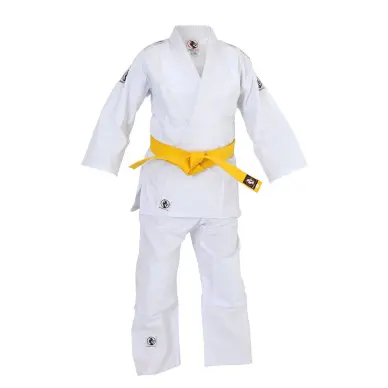
Judo gis of 210 and 350 g/m² are especially suited for beginners.
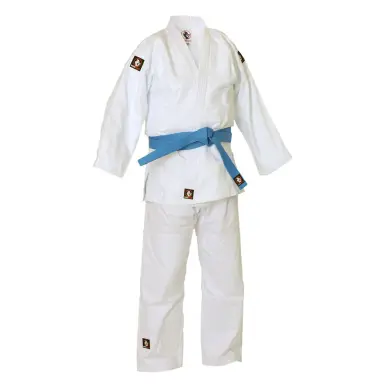
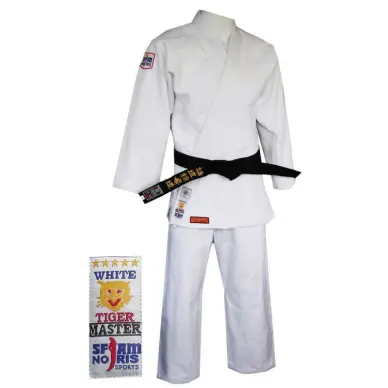
The Budofight Initiation 210 g/m² focuses on lightness and comfort for first training sessions.
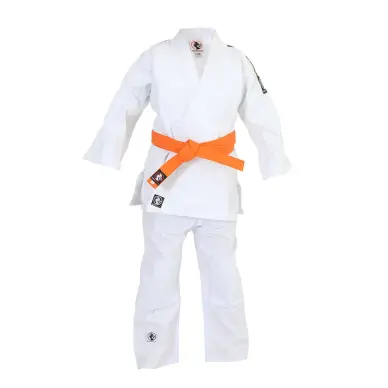
The Budofight Super Initiation 350 g/m² is a step up thanks to its rice grain weave, making it ideal for young judokas progressing in their practice.
These models are a great way to discover judo without immediately investing in a judo gi designed for intensive training.
Judo gi 500 g/m²: the perfect balance for training
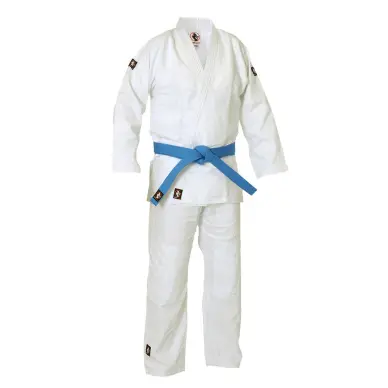
The Budofight Training 500 g/m² features a more structured fabric, suitable for judokas who train regularly.
It’s an excellent choice for practitioners seeking the right balance between durability, comfort, and freedom of movement.
This weight category is especially suited for judokas starting to increase their weekly training sessions.
Judo gi 680 to 700 g/m²: for advanced judokas
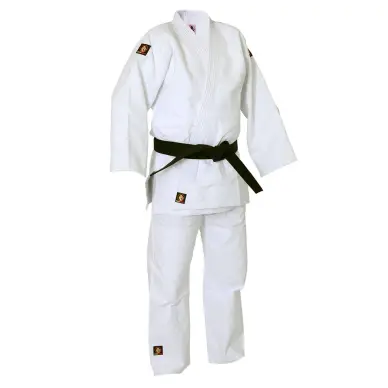
The Budofight Super Training 680 g/m² is designed for advanced judokas seeking a durable gi for intense training sessions.
In a similar weight range, the KuSakura JOEX Ichiban IJF 700 g/m² is a model made for competition.
These judo gis feature a denser, more structured fabric, appreciated for repeated grips and demanding judo practice.
Judo gi 800 g/m²: for competition
The Budofight Setsugi Slim Fit 800 g/m² is designed for judokas looking for premium competition gear.
Its rice grain weave and reinforcements are made to withstand the demands of matches.
Important: fabric weight alone does not determine if a judo gi is competition-approved. For international events, check the IJF certification of the model and its compliance with current regulations.
Is a heavier judo gi always better?
No. A higher fabric weight does not automatically guarantee better quality or greater durability.
The quality of the weave, reinforcements, fabric composition, and stitching are also essential factors.
The best choice depends primarily on your skill level, body type, and training frequency.
Judo gi for kids and beginners
For first training sessions, choose a lightweight, comfortable, and durable kids’ judo gi.
The priority is to allow young judokas to learn techniques, move freely, and experience their first throws in the best conditions.
Discover a judo gi for training, designed for beginners starting their journey.
The Super Initiation Budo-Fight judo gis are also a great option for first classes.
For the youngest, check out our kids’ initiation judo gi.
Key criteria for a kids’ judo gi
A good kids’ gi should offer:
A comfortable fabric suitable for beginners.
A cut that allows free movement.
Sturdy stitching for gripping techniques.
Pants that are easy to adjust.
A size that fits the child’s body shape.
Avoid choosing an excessively large gi to anticipate years of growth: an outfit that’s too loose can hinder movement and technique.
Judo gi for regular training
As judokas progress, their needs evolve.
Technical repetitions, training matches (randori), throws, and groundwork put a lot of strain on the judo gi.
For regular practice, opt for a durable judo gi with a fabric suitable for gripping and well-placed reinforcements.
The Super Training Budo-Fight judo gi is a top choice for this use.
Why choose a rice grain weave judo gi?
The rice grain weave is recognizable by its textured pattern, commonly used for judo jackets.
This structure helps the fabric hold its shape and is a traditional feature of many judo gis.
When comparing two rice grain models, check their weight, composition, and finishing details.
Explore the Budo-Fight judo gis to find a model suited to your training frequency.
Judo gi for competition
A competition judo gi must meet specific requirements.
Besides durability and comfort, regulations may set precise dimensions for the jacket, pants, sleeves, and collar.
For international competitions governed by the International Judo Federation (IJF), specific certification may be required.
Check out the Setsugi Slim Fit competition judo gi, designed for judokas seeking a cut tailored to their needs.
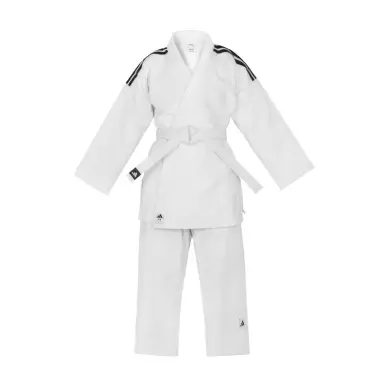
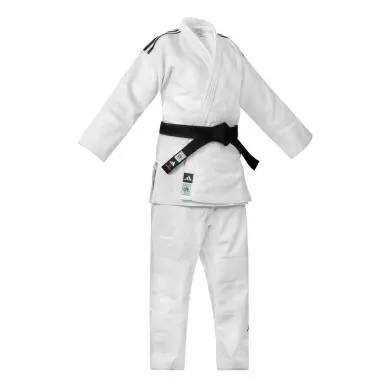
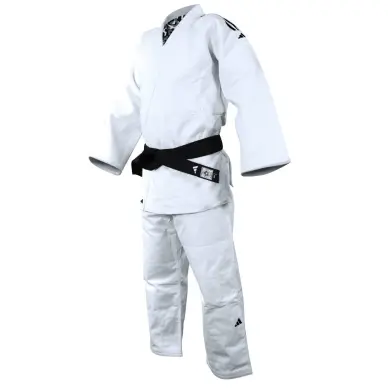
Among competition models, the Adidas IJF Champion III judo gi is also a key reference.
What is an IJF-approved judo gi?
An IJF-approved judo gi is a gi that meets the technical requirements set by the International Judo Federation for relevant competitions.
These requirements include:
The dimensions and cut of the judo gi.
The fabric characteristics.
The compliance of the jacket and pants.
Markings and approval labels.
Rules regarding attire worn in competition.
A super heavy judo gi or a model presented as a competition gi is not automatically IJF approved.
Before participating in an official event, check the applicable rules and the compliance of your model.
See the International Judo Federation regulatory documents for current requirements.
Which material should you choose for your judo gi?
Judo gis are generally made of cotton or a blend of cotton and synthetic fibers.
Cotton judo gi
Cotton is a traditional material, valued for its feel and textile qualities.
Depending on its weave and weight, it can offer a flexible or highly structured fabric.
Cotton may shrink when washed: check the manufacturer's recommendations.
Cotton and polyester judo gi
Some judo gis combine cotton with polyester.
These blends offer different fabric characteristics depending on the proportions used and the garment's construction.
The composition should always be considered along with the weight, cut, and seam quality.
The importance of reinforcements
The shoulders, armpits, chest, collar, and certain seams are particularly stressed during gripping.
Proper reinforcements contribute to the durability of the judo gi.
The pants must also withstand bending, movement, and repeated friction on the tatami.
How to choose the size of your judo gi?
Judo gi sizes are usually indicated in centimeters and correspond to the practitioner's height.
To choose your judo gi size, measure your height and refer to the manufacturer's size guide.
The jacket should allow you to perform techniques without restricting your arms.
The pants should support bending, throws, and groundwork.
For a child, select a size that matches their current height, while considering possible shrinkage.
An outfit that is much too large can hinder movement and make learning less comfortable.
Some brands offer different cuts, including more fitted models.
A slim fit cut may suit judokas who prefer a less loose jacket, as long as the required dimensions for their practice are maintained.
Size and fit indications vary by brand. Always check the guide for the chosen model.
Judo jacket and pants: what are the differences?
The judo gi consists mainly of a jacket and pants.
The judo jacket: uwagi
The jacket, called uwagi, is heavily stressed during gripping and throwing.
Its fabric, collar, seams, and reinforcements contribute to its durability.
The quality of the jacket is therefore a key factor when comparing judo gis.
The pants, called zubon, should provide good freedom of movement.
They support movement, bending, and groundwork.
Depending on the model, they may feature an elastic waistband, drawstring, or reinforced knees.
The weight of the pants may differ from that of the jacket. Be sure to check the product's detailed specifications.
Budo-Fight, Adidas, and Mizuno: which judo gi brand should you choose?
At Budo-Fight, you can compare several judo gi brands based on your level, budget, and practice.
Budo-Fight judo gis
Budo-Fight judo gis cover a range of needs, from beginners to regular training.
The range allows you to compare lightweight models for kids and more structured outfits for progressing judokas.
Budo-Fight is a great choice if you're looking for a good balance of quality, comfort, and price.
Adidas judo gis
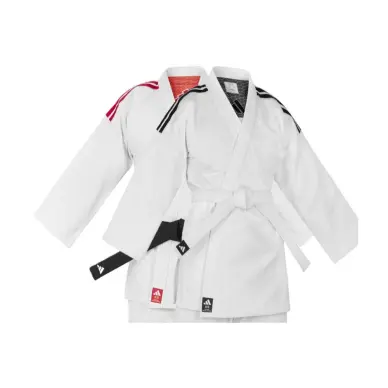
Adidas judo gis include models for beginners, regular practitioners, and competitors.
The brand is especially known for its competition judo gis, including the Champion III IJF.
Adidas offers a variety of options for judokas seeking equipment suited to their level.
Mizuno judo gis
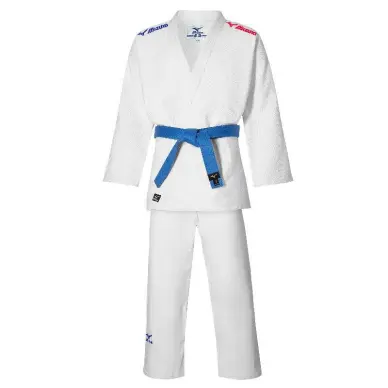
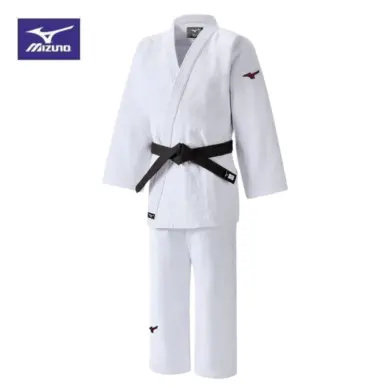
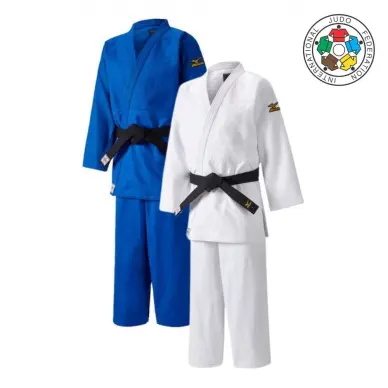
Mizuno is a Japanese brand especially renowned for its high-end judo gis.
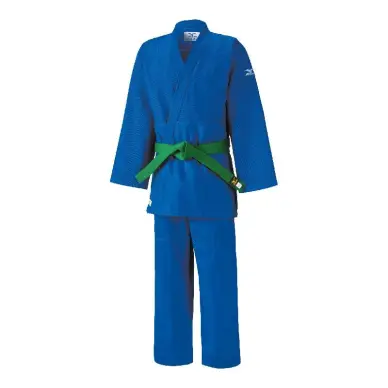
It holds a prominent place in the world of competition judo, notably thanks to its Yusho IJF range.
Its lineup includes the Mizuno Yusho IJF, Yusho Best IJF, and Yusho Made in Japan IJF, appreciated for its Japanese manufacturing origin.
Mizuno judo gis are particularly popular among demanding judokas seeking top-quality gear.
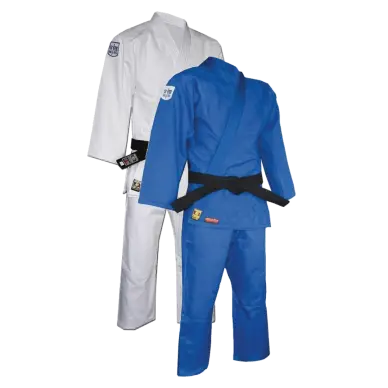
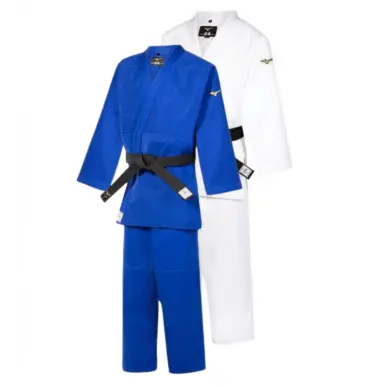
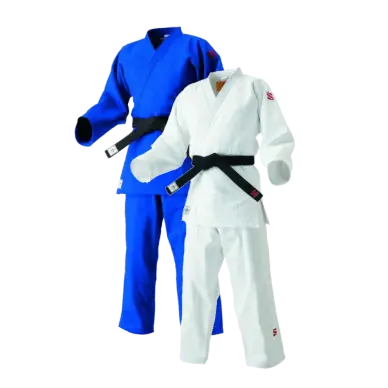
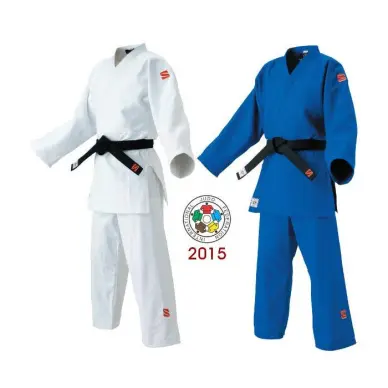
White or blue judo gi: which one should you choose?
White judo gis are traditionally used in clubs and training sessions.
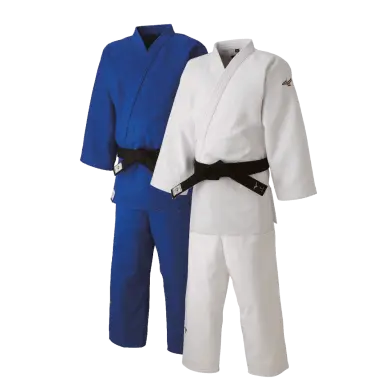
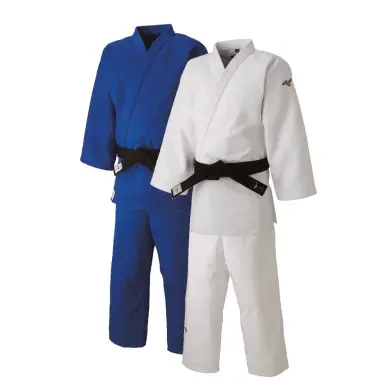
Blue judo gis are also common in competitive judo, where colors help distinguish the fighters.
For a child or a beginner, white is generally the simplest choice.
For competitors, requirements depend on the rules of the events they participate in.
Before buying a blue judo gi, check the guidelines of your club and federation.
How to care for your judo gi?
Proper care helps preserve the quality and lifespan of your judo gi.
After each training session, take your gi out of the bag and let it dry in a well-ventilated area.
Follow the washing instructions on the label.
Avoid excessive temperatures that could cause shrinkage or damage certain finishes.
Regularly inspect the seams, reinforcements, and pants.
For judokas who train several times a week, having a second judo gi can make it easier to alternate between sessions and washes.
Which accessories to buy with your judo gi?
To complete your gear, several accessories can be useful.
Judo belt
The judo belt is essential to keep the jacket closed.
Its color corresponds to the practitioner's rank.
Choose a suitable length to tie a secure knot.
Sports bag
A sports bag makes it easy to carry your judo gi, belt, and training gear.
For regular practice, opt for a bag that is spacious enough and easy to ventilate.
Gear for other combat sports
If you also practice boxing, check out our selection of boxing equipment.
Each discipline has its own needs: boxing gloves and karate protection do not replace specific judo gear.
Buy a judo gi online at Budo-Fight
Buying a judo gi online lets you easily compare models by weight, material, size, and price.
Before placing your order, review the technical specifications of each judo gi.
Also check the availability of your desired size, shipping times, and return conditions.
If you are buying a judo gi for an upcoming competition, allow enough time to check the fit and compliance of your uniform.
At Budo-Fight, you'll find gis suited to all levels, from your first judo classes to competitions.
Why buy your judo gi at Budo-Fight?
Budo-Fight has been supporting martial artists since 1963, offering a selection of judo gis tailored to the needs of judokas.
Whether you're looking for:
You can compare the available models by cut, durability, comfort, and budget.
Frequently asked questions about judo gis
What is the difference between a judo gi and a kimono?
The judo gi is simply the precise name for the judo kimono. Both terms refer to the same outfit, consisting of a jacket and pants, usually worn with a belt. The term "judo gi" is more specific, while "kimono" is widely used in everyday language.
How to choose your judo gi?
To choose the right judo gi, consider the weight, fabric composition, cut, size, color, and your training frequency. A lightweight model is often suitable for beginners; a heavier judo gi may be better for intensive practice. For competition, also check your federation's requirements and, if needed, IJF approval. Find detailed criteria and the comparison chart earlier in this guide.
Which brand should I choose for my judo gi?
Several brands meet different needs. Mizuno is renowned for its competition judo gis and Japanese expertise. Adidas offers a wide range, including cuts for various body types. Budo-Fight provides models with great value for money, from beginner to advanced practice. The best choice depends on your level, budget, and preferred fit.
How do I keep my judo gi in place during training and competition?
During grips and randori, the judo gi jacket may shift or open—this is normal in a grappling discipline. To keep it in place, cross the flaps properly and tie your judo belt firmly, without restricting your movement. You may still need to adjust your uniform between training sequences, following the referee’s instructions during competitions.
How do I wash my judo gi?
After training, air out your judo gi promptly and always follow the care instructions on the label. Washing at 30 or 40°C is suitable for many models, but the right temperature depends on the fabric and manufacturer. Don’t assume all judo gis can handle hot water or tumble drying—these can cause shrinkage, especially in cotton-rich models. Make sure your uniform is thoroughly dry before storing it.
How do I remove stains from my judo gi?
For blood stains, rinse first with cold water, as hot water can set the stain. Then gently treat with a stain remover compatible with the fabric, and wash according to the manufacturer’s recommendations. For other stains, always test the product on a small, inconspicuous area to preserve the color and fibers.
What can I wear under my judo gi?
During training, what you can wear under your judo gi depends on your club’s rules—a t-shirt or technical underwear may be allowed. In competition, the rules are stricter. According to current regulations, female judoka must wear an approved t-shirt under the jacket, while male judoka generally do not wear a t-shirt. Always check your federation’s and event’s specific rules.
Can I wear a blue judo gi?
Yes, you can wear a blue judo gi in training if your club allows it. In competition, white and blue judo gis are used to distinguish the two opponents. The required color depends on the event’s rules and organization.
For beginners, white is usually the most versatile choice; for competitions, follow your club’s and federation’s guidelines.