

MMA Gear: Gloves, Protective Equipment, and Fightwear
Looking for MMA gear to get started, improve your training, or prepare for competition? At Budo-Fight, discover a selection of equipment for mixed martial arts (Mixed Martial Arts), tailored to every phase of the fight.
MMA gloves, shin guards, mouthguards, groin guards, fight shorts, and rashguards: each piece of equipment meets specific needs, from striking to grappling and submission techniques.
Whether you practice MMA for fun, several times a week, or with a competition goal, choose gear suited to your level, body type, and your coach’s recommendations.
What Equipment Do You Need for MMA?
MMA combines several forms of combat. Equipment needs vary depending on the exercise: bag work, partner striking, wrestling, grappling, or sparring.
To start, it’s best to check the list of required gear with your club.
Essential MMA Fighter Equipment
Equipment | Main Use | Relevant Practice |
|---|---|---|
MMA gloves | Protect hands while allowing for grappling | Mixed work and sparring depending on the model |
Boxing gloves | Provide padding for striking drills | Punching bag, Thai pads, and sparring as instructed |
Mouthguard | Reduce the risk of certain dental injuries | Contact drills |
Groin guard | Protect the groin area from impacts | Depending on practice and rules |
Shin guards | Cushion impacts during kicks | Partner training |
MMA shorts | Allow movement and groundwork | Training and competition |
Rashguard | Support movement and reduce friction | MMA, grappling, and No-Gi |
Sports bag | Carry uniforms, gloves, and protective gear | All practitioners |
Your gear should always be chosen based on its intended use. Equipment designed for technical training isn’t necessarily suitable for sparring or competition.
What Is MMA?
MMA, or Mixed Martial Arts, is a combat sport that combines techniques from several disciplines, including boxing, kickboxing, wrestling, judo, and Brazilian jiu-jitsu.
Its unique feature is blending stand-up fighting, clinch work, and ground control techniques.
Modern MMA is a regulated sport, with permitted techniques, weight classes, and safety requirements that vary between competitions.
From Pankration to the UFC
Pankration, practiced in ancient Greece and introduced to the Olympic Games in 648 BCE, is often seen as a historical precursor to sports that combine striking and wrestling.
In the 20th century, cross-discipline matches developed in Brazil, especially through vale tudo.
Brazilian jiu-jitsu, influenced by Mitsuyo Maeda’s teachings and the development of the Gracie schools, played a major role in the evolution of ground fighting techniques.
The creation of the Ultimate Fighting Championship (UFC) in 1993 then helped popularize MMA worldwide.
Over time, the sport adopted structured rules, professional oversight, and specific equipment requirements.
Striking: Stand-Up Fighting
Striking includes all striking techniques.
Depending on the rules, fighters use punches, kicks, knees, and elbows.
Precision, movement, distance management, and strike control are key in this phase.
Clinch: Close-Range Fighting
Clinch refers to close-contact situations.
It allows you to control your opponent, work on off-balancing, and set up certain throws.
Wrestling and judo techniques are essential for mastering this range.
Grappling: Ground Fighting
Grappling covers control, positioning, and submission techniques.
Joint locks and chokes must be learned gradually and in a supervised environment.
To enhance your training, discover our equipment designed for grappling and ground fighting.
MMA Gloves: How to Choose the Right Model?
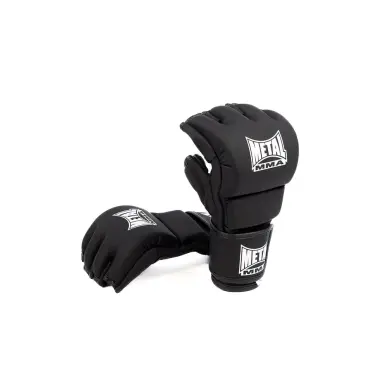
MMA gloves differ from traditional boxing gloves with their more open design.
They generally leave the fingers free to allow for grips, controls, and transitions between striking and grappling.
Explore our selection of MMA gloves for training and competition.
MMA Gloves for Technical Training
Gloves designed for technical work should offer good finger mobility and allow you to naturally close your fist.
The palm shape, material flexibility, and wrist closure all influence comfort during drills.
For sessions combining controlled strikes and grappling, choose a model that matches your coach’s recommendations.
MMA Gloves for Sparring
Sparring requires special attention to partner safety.
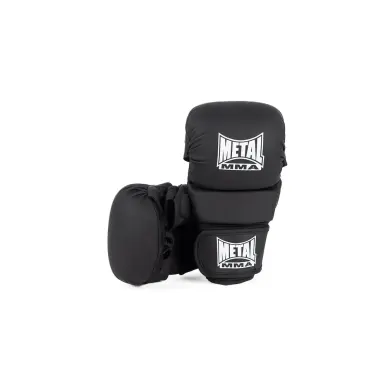
Some MMA training models feature more padding than the compact gloves used in certain competitions.
This design can help absorb some impacts, but it does not make strikes risk-free.
Your choice depends on the intensity of exchanges, the type of session, and your gym’s rules.
To better understand padding differences, also check out our guide to choosing gloves for sparring.
MMA Gloves for Competition
Competition gloves are generally more compact than some sparring models.
In many professional organizations, gloves around 4 oz are used. However, the allowed weight and technical features may vary depending on the rules.
Amateur competitions may require different models or additional protection.
A glove labeled as “competition” is not automatically approved for all events.
MMA Gloves vs. Boxing Gloves: What’s the Difference?
The two types of gloves are designed for different uses.
Criteria | MMA Gloves | Boxing Gloves |
|---|---|---|
Design | Fingers generally free | Hand more fully covered |
Grip | Facilitates grappling | Limits grappling |
Padding | Varies by model | Generally thicker |
Main Use | Mixed work, grappling, and fighting depending on the model | Striking, punching bag, and sparring |
Selection Criteria | Adapted mobility and protection | Adapted shock absorption and support |
For intensive striking sessions, gloves designed for boxing may be more suitable than lightly padded MMA gloves.
Ask your coach for advice before choosing gloves for partner drills.
How to Choose Your MMA Glove Size?
Size depends mainly on your hand dimensions and the manufacturer’s guidelines.
Sizing can vary from one brand to another.
The glove should remain stable during movement without excessively compressing your hand.
Make sure you can close your fist, move your fingers, and grip without significant discomfort.
Leather or Synthetic Material: Which to Choose?
MMA gloves can be made from natural leather or synthetic materials, such as polyurethane.
Leather is often valued for its feel and certain durability features. Synthetic materials may offer other design and maintenance options.
However, quality does not depend solely on the outer material.
Paddings, stitching, reinforcements, and closure systems also play a key role.
Should You Wear Hand Wraps Under MMA Gloves?
Hand wraps can provide extra support for your hands and wrists during certain exercises.
Whether to use them depends on the type of gloves, your training content, and your gym’s recommendations.
Discover our hand wraps and hand support accessories.
For competition, the allowed materials and wrapping methods must comply with the applicable regulations.
MMA Protective Gear: Essentials for Training
MMA combines several forms of contact.
The areas exposed vary depending on whether you’re working on striking, throws, or ground fighting.
It is therefore important to choose protective gear suited to the exercises performed.
MMA Mouthguards
The mouthguard is especially important during contact drills.
It can help reduce the risk of certain injuries to the teeth and mouth tissues, though it does not eliminate the risks associated with impacts.
Thermoformable models can be adjusted according to the manufacturer's instructions.
To compare different options, check out our range of mouthguards for combat sports.
A mouthguard should stay securely in place and allow for comfortable breathing.
Groin Guard
The groin guard is designed to protect the genital area from accidental impacts.
It should provide stable support without hindering movement, position changes, or groundwork.
The choice depends on your body shape and type of training.
Find various groin guards suited for combat sports.
Before a competition, check the rules regarding permitted or required protective gear.
MMA Shin Guards
Shin guards are especially useful during striking drills with a partner.
They help absorb some impacts during kicks and blocks.
For training that includes grappling, secure fit is essential: protection that rotates or slips can interfere with ground transitions.
Compare shin and foot guards based on their padding, closure system, and recommended use.
Should You Wear Headgear in MMA?
Headgear may be used during certain sessions, depending on club guidelines.
It can help limit some superficial injuries, but does not guarantee protection against concussions.
Headgear designed for striking sports offers different levels of coverage and retention systems.
Choose a model compatible with your training, offering good visibility and a stable fit.
MMA Shorts: Comfort and Freedom of Movement
MMA shorts are designed to support quick movements, kicks, level changes, and grappling phases.
Unlike some standard sports shorts, they usually feature a cut adapted to the demands of combat.
Discover our selection of shorts and fight shorts for MMA.
How to Choose Your MMA Shorts?
Freedom of movement is the top priority.
The shorts should allow you to lift your legs, bend your knees, and work on the ground without excessive restriction.
Check in particular:
The cut: roomy or stretchy enough to follow your movements.
The waistband: stable during movement and grappling phases.
The seams: suitable for repeated stress.
The finishing: free of elements that could injure a partner.
The material: comfortable and suitable for frequent washing.
Some models feature a velcro closure, drawstring, or elastic waistband.
The best choice depends on your body type and preferences.
MMA Rashguards: Why Wear One?
The rashguard is a fitted technical top, usually made from stretchy synthetic fibers.
It is especially popular for grappling and wrestling training.
Its close fit moves with you and limits excess fabric during holds.
Discover our rashguards specially designed for MMA.
Short Sleeve or Long Sleeve Rashguard?
Short sleeve models leave more of the arms exposed.
Long sleeve models cover a larger area of skin and can help reduce some direct friction with the mat.
The choice depends on your comfort, training room temperature, and personal preference.
Does a Rashguard Protect Against Mat Burns?
A rashguard can reduce some skin friction, but does not guarantee the absence of irritation or injury.
Good hygiene for clothing and training surfaces remains essential.
How to Choose the Right Size?
The rashguard should fit snugly without restricting breathing or limiting movement.
A cut that's too loose can shift during training, while a model that's too tight can become uncomfortable.
Check the manufacturer's size guide and fabric composition.
Compression Shorts and Spats
Compression shorts and spats, close-fitting technical pants, are also used in some grappling and No-Gi sessions.
They can be worn alone or under shorts, depending on club rules.
Our selection of compression wear for combat sports lets you compare different cuts and materials.
Which MMA Gear Should You Choose for Your Level?
The needs of a beginner are not the same as those of an experienced practitioner or competitor.
Your gear should evolve with the frequency and content of your training sessions.
Beginner MMA Equipment
To start, choose the equipment required by your club.
Depending on the session, this may include boxing gloves, MMA gloves, a mouthguard, shin guards, and appropriate clothing.
It’s not always necessary to purchase all your gear for the very first session.
The priority is to have comfortable equipment, properly fitted and suited to the exercises you’ll actually be doing.
Equipment for Regular Training
Practitioners training several times a week should pay special attention to the durability of their gear.
The quality of stitching, padding, and closures becomes crucial when equipment is used frequently.
Having spare clothing can also help with maintenance and hygiene between two sessions.
Equipment for Advanced Practitioners
Experienced athletes may need several types of gloves depending on the drills.
Boxing gloves for certain striking sessions, MMA gloves for mixed work, and appropriate protection for sparring help you adapt to different situations.
Your choices should always align with your gym’s training methods.
MMA Equipment for Technical Work and Strength Conditioning
Physical conditioning plays a key role in MMA training.
It can include cardio work, strength training, coordination exercises, and target striking sessions.
Punching Bags and Thai Pads
Bag work allows you to repeat combinations, develop coordination, and improve striking techniques.
Thai pads and strike shields let you vary your exercises with a partner or coach.
To enhance your sessions, check out our accessories for striking training.
Your choice depends on the type of strikes, your skill level, and your installation conditions.
Which Punching Bag to Choose for MMA?
A punching bag can be used to train punches, kicks, and certain combinations.
Height, weight, padding, and mounting system all influence the types of exercises you can do.
Discover our selection of punching bags for combat sports.
Before installing a hanging bag, make sure the support and mountings are suitable for the dynamic impacts.
Wrestling and Grappling Training
Ground fighting requires developing positional control, balance, and coordination.
Brazilian jiu-jitsu is a key part of learning certain submission techniques.
Practitioners can supplement their training with specialized sessions and equipment for Brazilian jiu-jitsu.
Technical work should always be progressive and supervised.
Strength Training and Mobility
MMA demands many physical qualities: strength, endurance, mobility, and coordination.
Resistance bands and other accessories can complement your strength and conditioning sessions.
Find a variety of multisport equipment for strength and conditioning.
Strength work should always be suited to your level and recovery needs.
Amateur vs. Professional MMA: What Equipment Differences?
Amateur and professional competitions may have different regulations.
Authorized equipment depends on the organizer, age category, skill level, and current rules.
Competition Gloves
The gloves used in competition may have specific requirements for weight, padding, and closure.
Some professional formats use gloves around 4 oz, but this is not a universal rule.
Amateur competitions may require different features and extra protection.
Hand Wraps
Hand wraps provide additional support for hands and wrists.
The materials and wrapping methods allowed may vary between competitions.
Some organizations require officials to check hand wraps.
How to Check Your Equipment Compliance?
Before a fight, check the following:
The event rules.
The specifications of authorized gloves.
Mandatory or prohibited protective gear.
Requirements for shorts and clothing.
Any rules regarding hand wraps.
Medical and administrative instructions from the organizer.
Equipment suitable for training is not always allowed in competition.
MMA in France: A Regulated Discipline
MMA now benefits from a legal sports framework in France.
Its organization is based on rules that apply to different forms of practice, from recreational training to amateur and professional competitions.
The FMMAF (Fédération de MMA Française) is an internal body of the French Boxing Federation, responsible for overseeing and developing the discipline.
On an international scale, the IMMAF (International Mixed Martial Arts Federation) plays a key role in developing amateur MMA.
Technical rules, organizational requirements, and medical standards may vary depending on the level and competition format.
To find out the conditions applicable to an event, consult the most recent official documents.
What are the physical benefits of MMA?
MMA combines several types of physical effort and develops a range of physical abilities.
Progress depends on training consistency, intensity, recovery, and the practitioner's initial level.
Endurance and cardiovascular fitness
Sessions can alternate between short, intense efforts and longer technical drills.
This variety challenges the cardiovascular system and builds endurance.
Strength and coordination
Striking, movement, grappling, and wrestling techniques engage many muscle groups.
Learning combinations also develops coordination and movement control.
Mobility and body control
Grappling drills require working through various positions and joint ranges of motion.
Mobility should be developed gradually, without forcing the joints.
Focus and effort management
MMA requires quick decision-making and adapting technique to each situation.
Focus, control, and respect for your partner are essential parts of training.
MMA safety: best practices to follow
MMA is a contact sport that carries a risk of injury.
Choosing the right equipment contributes to safe practice, but never replaces proper coaching.
Adjusting sparring intensity
Partner drills should match the practitioners' level.
Progress comes from technical learning, controlled striking, and following the coach's instructions.
Sparring does not always have to be high intensity.
Preventing head injuries
Head impacts can pose significant health risks.
If a concussion is suspected, stop the activity and seek a medical evaluation.
Returning to training should follow medical recommendations and applicable protocols.
No headgear or gloves can guarantee the absence of concussion.
Medical monitoring and competition
Required medical exams depend on your level, license type, and competition circuit.
The conditions for recreational practice are not necessarily the same as for amateur or professional competition.
Before participating in an event, check with the organizer and consult the current official medical requirements.
Hygiene and recovery
Hygiene plays a key role in combat sports.
Regularly clean your equipment, avoid sharing personal protective gear, and report any suspicious skin lesions before partner training.
Adequate sleep and gradual recovery are also important for sustainable practice.
MMA equipment brands: how to compare models?
The MMA market offers a range of brands and equipment lines.
At Budo-Fight, you'll find our own brand as well as products from manufacturers specializing in combat sports.
BudoFight: gear for all levels
BudoFight offers MMA gloves and apparel for practitioners.
Models differ in design, materials, padding, and price positioning.
To choose, review each product's features rather than relying solely on appearance.
Venum: apparel and protection for combat sports
Venum is a French brand well-known in the MMA world.
They offer gloves, shorts, and technical apparel.
Features vary by collection and model.
Metal Boxe: training and competition gear
Metal Boxe offers a range of equipment for striking disciplines and MMA.
The brand has several glove models with different designs and levels of padding.
To compare, check wrist support, finger mobility, and recommended use.
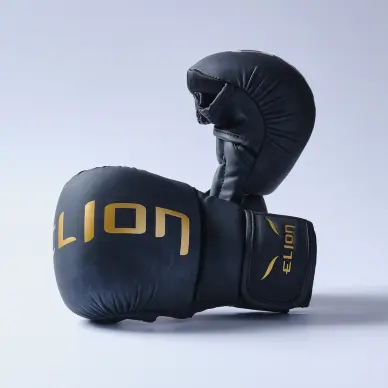
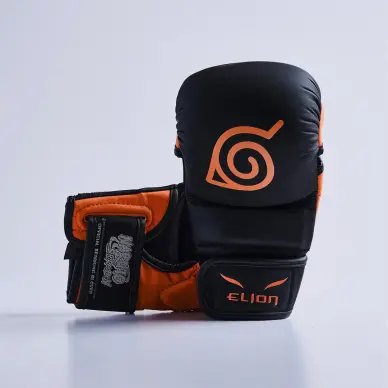
Elion: gloves and technical apparel
Elion also offers equipment for combat sports practitioners.
Depending on the product, the brand sells MMA gloves and technical apparel.
Your choice depends on size, product design, and intended training.
What criteria should you use to compare two pieces of equipment?
Don't base your choice solely on brand or price.
Focus on:
Intended use: training, sparring, or competition.
Build quality and materials.
Size and fit.
Padding and protected areas.
Freedom of movement.
Ease of care.
Your club's requirements.
A more expensive product is not automatically better suited to your training.
How to care for your MMA gear?
Regular maintenance helps preserve comfort, hygiene, and the lifespan of your equipment.
Caring for your MMA gloves
After each session, take your gloves out of the bag and let them dry in a well-ventilated area.
Avoid exposing them to excessive heat and always follow the manufacturer's instructions.
Clean the surfaces using a method compatible with the materials used.
Regularly check the stitching, padding, and closures.
For more best practices, see our tips for maintaining combat sports gloves.
Washing your rashguard and shorts
Technical clothing should be washed according to the instructions on the label.
Avoid treatments that could damage the elastic fibers.
Let your clothes dry completely before storing them.
Cleaning your protective gear
Shin guards, groin guards, and other protective gear should be cleaned as recommended by the manufacturer.
Mouthguards require special attention: clean after use and store in a clean, ventilated case.
Damaged or deformed equipment should always be checked before reuse.
Transporting your gear properly
After training, it’s best not to leave wet gloves and clothes in a closed bag.
To carry your gear, choose a bag with enough capacity for your equipment.
Check out our selection of multi-sport bags for training and travel.
Frequently asked questions about MMA equipment
What gear do you need to start MMA?
The basic equipment depends on the exercises required by your gym. It may include boxing gloves, MMA gloves, a mouthguard, shin guards, and appropriate clothing.
Can you use MMA gloves to hit a punching bag?
Some models can be used for specific exercises, but lightly padded gloves are not always suitable for intensive striking. Always follow the recommendations of the manufacturer and your coach.
What’s the difference between MMA gloves and sparring gloves?
Sparring gloves for MMA often have more padding than the compact models used in certain competitions. The exact features vary by product.
Do you have to wear a rashguard for MMA?
The rashguard is popular for grappling and ground training, but its use depends on your gym’s rules and your personal preference.
Which shin guards should you choose for MMA?
Choose a model that offers good support, suitable padding, and enough freedom of movement for transitions between striking and grappling.
Are all MMA gloves approved for competition?
No. Requirements depend on the organization and regulations. Always check which models are allowed before entering an event.
How do you choose between two MMA brands?
Compare technical features, size, materials, intended use, and comfort. The best fit is not always the most expensive.
How can you extend the lifespan of your gear?
Follow care instructions, let your equipment dry after each session, and regularly check areas subject to wear.
Why buy your MMA gear at Budo-Fight?
Since 1963, Budo-Fight has supported martial arts and combat sports practitioners in choosing their equipment.
Whether you’re a beginner, experienced practitioner, or competitor, our selection lets you compare MMA gloves, technical clothing, and various accessories to suit your needs.
Discover, for example:
MMA gloves for different uses.
Shorts and rashguards.
Protective gear for partner training.
Strength and conditioning accessories.
Equipment for striking and grappling work.
Choosing MMA equipment is above all about design, comfort, durability, and suitability for your training.
Get ready for striking, grappling, and sparring sessions with gear tailored to your needs.
Explore the equipment available at Budo-Fight and choose the products that will support your progress.