








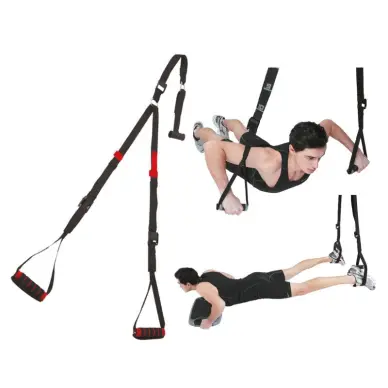
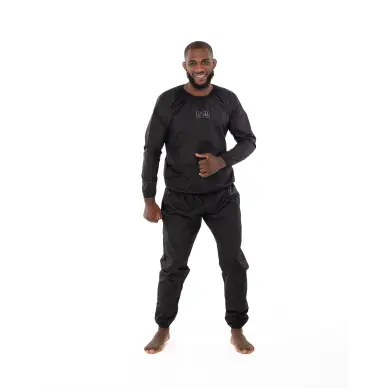
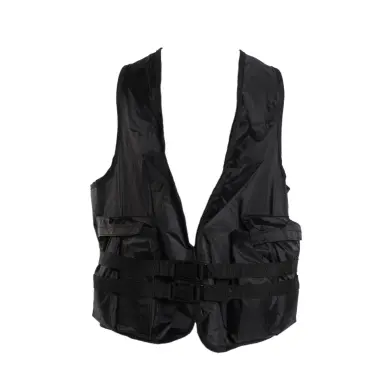
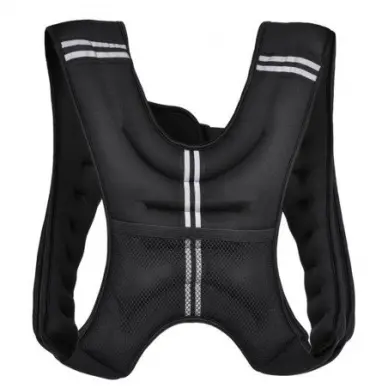

Strength Training Equipment: Fitness Gear and Muscle Building
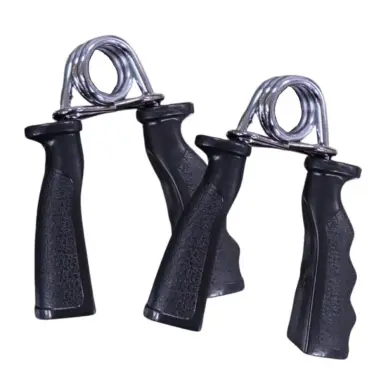
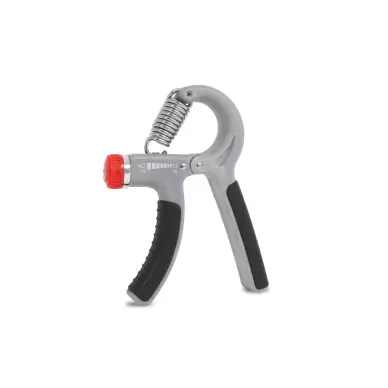
Discover our selection of strength training equipment and fitness gear at Budo Fight. Whether you want to build your body, enhance your physical preparation, or diversify your workouts, strength training accessories help you create routines tailored to any level.
Strength training gear can be used at home, in the gym, or at a sports club. Depending on the equipment and exercises, it allows you to work on strength, muscular endurance, stability, and coordination.
For boxers, MMA fighters, judo, karate, and other martial arts practitioners, muscle strengthening is also an essential complement to technical training.
At Budo Fight, find strength training and conditioning accessories to choose from according to your goals, training space, and level.
Which Strength Training Equipment Should You Choose?
The choice of strength training gear mainly depends on the exercises you want to perform and the physical qualities you wish to develop.
A person looking for overall strengthening won’t necessarily have the same needs as someone wanting to complement a conditioning program for combat sports.
Equipment for Building Strength
Building strength relies on targeted exercises and progressive resistance.
Depending on the gear used, you can target different muscle groups and gradually increase difficulty.
Proper technique always takes priority over the amount of weight or resistance chosen.
Accessories for Muscle Strengthening
Muscle strengthening accessories let you diversify your movements and target different areas of the body.
They can be used to complement bodyweight exercises or organize specific sessions.
Fitness Equipment
Fitness gear can be integrated into circuits that combine several types of exercises.
Depending on your goals, these sessions can combine muscle strengthening, mobility, coordination, and physical conditioning.
Sports Conditioning Equipment
Strength training equipment can also complement a conditioning program for combat sports.
Accessory choices should match the needs of your discipline and your coach’s recommendations.
The Different Types of Strength Training Equipment
There are several categories of strength training accessories. Each type of gear meets different needs.
Resistance Bands and Accessories
Strength training resistance bands create resistance during certain movements.
They’re used for strengthening, mobility, or conditioning exercises, depending on their format and tension level.
They’re also compact and easy to transport.
Discover our dedicated category for strength bands and resistance bands.
Equipment for Bodyweight Exercises
Certain accessories allow you to vary bodyweight exercises.
Their usefulness depends on the planned movements, your level, and available space.
Always check technical specifications, usage limits, and manufacturer safety instructions.
Functional Training Accessories
Functional training can combine several movements that engage different muscle chains.
Depending on the session, resistance or conditioning accessories can be used to diversify exercises.
Equipment for Power and Explosiveness
Some conditioning programs include exercises designed to develop your ability to generate force quickly.
This type of training requires progressive adaptation and special attention to movement quality.
To learn more, check out our category Explosiveness Training: Equipment for Power and Speed.
Accessories for Cardio and Coordination
Muscle strengthening can be complemented by cardiovascular exercises.
Jump ropes are especially useful for rhythm, coordination, and conditioning.
They don’t replace strength training, but can be part of a more complete conditioning program.
Strength Training Equipment for Upper Body
Strength training equipment can be used to target different upper body areas.
Arm Strength Training
Depending on the type of gear, certain exercises allow you to work your biceps, triceps, and forearms.
Choosing the right resistance helps you maintain controlled execution.
Shoulder Strengthening
The shoulders are involved in many sports movements.
A suitable program can include strengthening and stability exercises, tailored to the practitioner’s abilities.
Back Strength Training
The back muscles play an important role in posture and many pulling movements.
Exercises should be selected according to your level and the equipment available.
Chest Strengthening
Various pushing exercises can target the chest muscles.
Resistance and range of motion should be adjusted to maintain movement quality.
Strength Training Equipment for Legs and Lower Body
Lower body strengthening is important in many sports disciplines.
Depending on the exercises, strength training equipment can help work on:
The quadriceps.
The hamstrings.
The glutes.
The calves.
Muscles involved in hip stability.
The choice of exercises depends on your goals and level.
For combat sports, lower body strength can improve footwork, movement, and certain technical actions.
Ab and Core Training Equipment
Core strengthening is part of many physical preparation programs.
The trunk muscles help with body stability and transferring force between the upper and lower body.
Why Work on Core Stability?
Core stability can complement overall strengthening and help with postural control.
Exercises should be adapted to your level, without always seeking maximum duration or difficulty.
What Equipment to Strengthen the Core?
Depending on the equipment available, some accessories can complement bodyweight exercises.
The choice depends on the desired movements and execution quality.
Strength Training for Combat Sports: Why Is It Important?
Strength training for combat sports helps develop physical qualities that complement technical practice.
Strength, stability, muscular endurance, and power can play an important role depending on the discipline.
A strengthening program must, however, respect the specific demands of each sport.
Strength Training for Boxing
In boxing, physical preparation can help develop strength, stability, and muscular endurance.
Strengthening the core, legs, and upper body can complement striking and movement work.
However, strength training does not replace technical learning, timing, or precision.
Strength Training for MMA
MMA combines striking, wrestling, and ground fighting actions.
Physical preparation can therefore include strength, power, and general conditioning exercises.
The choice of equipment depends on the practitioner’s program and goals.
Strength Training for Judo
In judo, strength and stability are important in many gripping and throwing situations.
Muscle strengthening can complement the judoka’s physical preparation, especially for the legs, back, and core.
It should always be combined with technical work on off-balancing, positioning, and throwing.
Strength Training for Karate
In karate, physical preparation can include exercises to develop stability, strength, and movement control.
Muscle strengthening supports technical work without replacing it.
Strength Training for Taekwondo
taekwondo especially targets the legs, core, and coordination skills.
A suitable strengthening program can complement mobility, balance, and kicking control work.
Strength Training for Grappling and BJJ
In grappling and Brazilian Jiu-Jitsu (BJJ), practitioners develop different types of strength and muscular endurance.
Strengthening the back, core, and limbs can complement physical preparation.
However, exercises should be adapted to the frequency of technical training.
Strength Training for Krav Maga
In Krav Maga, general physical preparation can include muscle strengthening, cardio, and coordination exercises.
Strength training is a complement to the technical work done in the club.
Strength Training for Aikido
In Aikido, body control, movement, and coordination are key elements.
Appropriate muscle strengthening can complement general physical preparation, in line with the school’s methods.
Strength Training for Kendo
In kendo, posture, coordination, and movement play an important role.
Strengthening exercises can help with physical preparation, without replacing technical practice with the discipline’s specific equipment.
Strength Training Equipment for Home Workouts
Home strength training equipment lets you organize sessions without needing a large space.
Compact accessories can be useful for practitioners who want to supplement their club training.
Choosing Equipment That Fits Your Space
Before purchasing, check the equipment dimensions and ensure you have enough space for your movements.
Also, plan for a stable surface and a clear environment.
Choose versatile accessories
For limited spaces, equipment that allows for multiple types of exercises can be practical.
Resistance bands are a compact option for certain strength movements.
Adapt your training to your level
At home or in the gym, start with exercises you already master.
Gradually increase the difficulty and always follow the equipment usage recommendations.
How to choose your strength training equipment?
Before placing your fitness and strength training equipment order, several criteria should be considered.
1. Your goals
Are you looking to improve strength, muscular endurance, stability, or overall physical conditioning?
Your goal determines which exercises and accessories to prioritize.
2. Your level
A beginner does not necessarily need the same resistance or equipment as an experienced athlete.
Choose equipment that allows for controlled progression.
3. Targeted muscle groups
Some accessories are versatile, while others are designed for more specific movements.
Define the areas you want to work on before purchasing.
4. Size and footprint
Make sure the equipment fits your available space, especially for home use.
5. Technical features
Depending on the type of equipment, check:
The resistance or intended load.
Adjustment options.
Dimensions.
Materials.
Usage limits.
Care instructions.
6. Frequency of use
For regular training, consider the equipment design and the manufacturer's recommendations.
7. Your sport discipline
If you practice a combat sport, choose strength exercises that are compatible with your technical training and recovery needs.
How to organize a strength training session?
A strength training session should be tailored to your level and goals.
Start with a warm-up
Gradually prepare your body for exercise.
The warm-up can include general movements and exercises specific to your planned session.
Select your exercises
Choose movements based on the muscle groups and physical qualities you want to work on.
Make sure to keep your program balanced.
Adjust resistance
Excessive resistance can affect the quality of your movements.
Focus on controlled movements and gradual progression.
Plan for recovery
Strength training requires sufficient recovery periods.
The frequency and volume of your sessions should fit into your overall sports program.
Strength and explosiveness: two complementary qualities
Strength and explosiveness are related but do not target exactly the same goals.
Building strength is about your ability to generate significant muscle tension.
Explosiveness focuses more on how quickly you can generate that force.
In combat sports, a program can aim to develop both qualities depending on your discipline's needs.
To discover accessories for this type of training, check out our explosiveness training equipment category.
How to care for your strength training equipment?
Regular maintenance helps preserve your strength training equipment.
Instructions vary depending on the materials and types of accessories.
Check equipment condition
Before each session, inspect components that are subject to mechanical stress.
For resistance bands, look for cracks, cuts, or signs of wear.
Clean your accessories
Follow the manufacturer's recommendations for cleaning and use products compatible with the materials.
Store your equipment properly
Keep your equipment in a suitable place.
Avoid conditions that could damage materials, such as excessive humidity or prolonged heat exposure if not recommended by the manufacturer.
Replace damaged accessories
Do not use equipment with major defects until it has been checked or replaced.
Complete your sports equipment at Budo Fight
To organize your strength and conditioning sessions, also discover:
Our jump ropes.
Our range of CrossFit and strength training equipment.
Our sportswear.
Our sports bags.
Find equipment for your discipline
Physical preparation should be tailored to the needs of each sport. Discover our categories:
FAQ – Frequently Asked Questions About Strength Training Equipment
Which strength training equipment should I choose as a beginner?
Select accessories suited to the exercises you want to perform and your current level. Ease of use and the ability to progress are important criteria.
What strength training equipment can I use at home?
Compact accessories, especially certain resistance bands, are a great option when space is limited.
Are resistance bands effective for muscle strengthening?
They provide resistance and can help build muscle strength as part of a suitable training program.
What is the difference between strength training and fitness?
Strength training mainly focuses on developing muscle qualities. Fitness includes a wider range of practices that can combine strength, cardio, and mobility.
Which equipment should I choose to strengthen my legs?
The choice depends on the exercises you plan to do, your level, and the resistance you want.
Is strength training useful for combat sports?
Yes, it can help develop strength, stability, and muscular endurance, complementing technical training.
What equipment is recommended for physical preparation in boxing?
Resistance accessories, strength training gear, and jump ropes can enhance your sessions, depending on the goals set by your coach.
Is strength training important for judo and grappling?
Muscle strengthening can complement the physical preparation for these disciplines, especially for developing strength, stability, and muscular endurance.
How do I choose the right resistance?
The resistance should allow you to perform the movement with proper technique. It depends on the muscle group being worked and your level.
How do I maintain my strength training accessories?
Regularly inspect your equipment, clean it according to the manufacturer's instructions, and replace any items showing significant wear.
Buy Your Strength Training Equipment at Budo Fight
At Budo Fight, you'll find a selection of strength training equipment, fitness accessories, and muscle strengthening gear to support your physical preparation.
Whether you practice strength training, fitness, CrossFit, boxing, MMA, judo, or other martial arts, choose your equipment based on:
Your sports goals.
Your skill level.
The muscle groups you want to target.
The resistance or weight you need.
Dimensions and available space.
Your training frequency.
The manufacturer's usage instructions.
Discover our selection of strength training equipment and find the right accessories for your strength and conditioning sessions.