

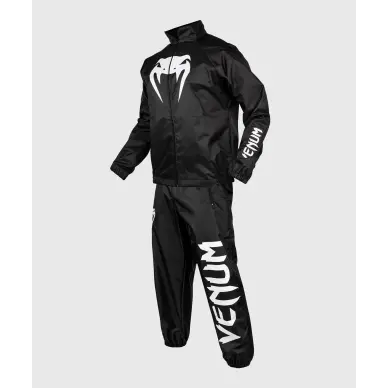

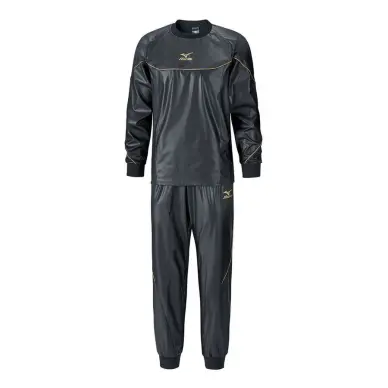

Sweat Suits: Outfits and Tracksuits for Combat Sports
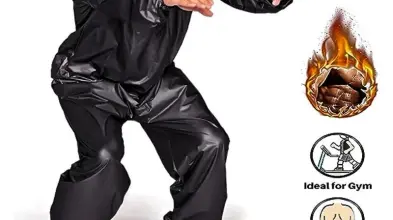
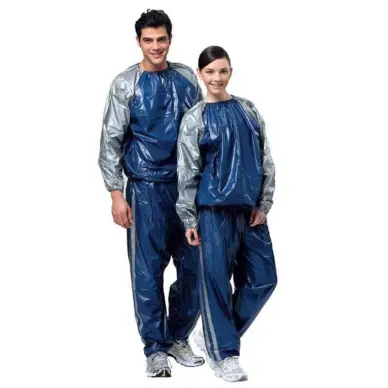
Discover our range of sweat suits at Budo Fight, also known as sweat outfits or sweat tracksuits. These sports garments are designed to slow down the release of body heat and promote increased perspiration.
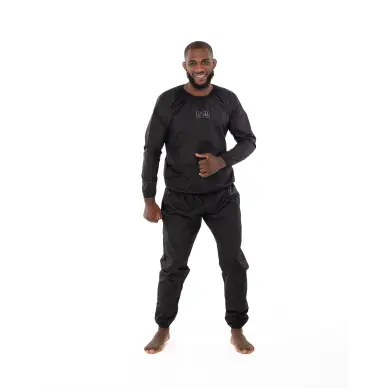
Some boxing, MMA, and other combat sports practitioners use this gear as part of their training regimen. Depending on the model, sweat suits may be a full-body suit or a set consisting of a jacket and pants.
When choosing a sweat suit, consider its fit, materials, size, and the conditions in which it will be worn. The risks of dehydration and overheating should also be carefully considered.
At Budo Fight, compare the features of the different models available and always check the manufacturer's recommendations before use.
What Is a Sweat Suit?
A sweat suit is a garment that limits thermal exchange between the body and its environment.
Unlike a breathable sports outfit, designed to help wick away moisture and heat, a sweat suit retains more of the heat produced by the body.
The properties of the garment vary depending on its design, the fabrics used, and its finishing details.
How Does a Sweat Suit Work?
During physical activity, muscles generate heat. Perspiration helps cool the body through the evaporation of sweat on the skin's surface.
A sweat suit slows down this evaporation and can make thermal regulation less effective.
This can lead to increased sweating, but also greater thermal stress on the body.
More sweating does not mean more fat loss. Any immediate weight change after exercise is mainly due to water loss.
Sweat Suit or Sweat Tracksuit: What's the Difference?
In the market, several terms refer to garments that work in a similar way.
The main types are:
The full-body sweat suit, which is a one-piece garment depending on the model.
The jacket and pants set, which includes two matching pieces.
Separate pieces, when the manufacturer offers a jacket or pants individually.
Before placing your order, check the exact composition of the item and what is included with the product.
Sweat Suits for Boxing and Combat Sports
Sweat suits are well-known in the world of combat sports, especially in certain physical preparation contexts.
However, their use requires particular caution, as they reduce the body's ability to dissipate heat.
Sweat Suit for Boxing
Physical preparation in boxing focuses on developing endurance, coordination, and combat-specific skills.
Some boxers wear sweat suits, but these garments are not essential for improving fitness or technical skills.
For regular training, a breathable outfit and a suitable program are generally better choices.
Check out our range of boxing equipment to complete your gear.
Sweat Suit for MMA
MMA practitioners may also be interested in sweat tracksuits.
However, MMA training is based on a combination of qualities: endurance, strength, mobility, coordination, and technical mastery.
A garment that increases sweating does not automatically develop these abilities or guarantee any performance gains.
The risks associated with heat and dehydration must be considered before use.
Also check out our selection of mixed martial arts equipment.
What About Kickboxing or Muay Thai?
In kickboxing and Muay Thai, physical effort can be intense and cause a significant rise in body temperature.
A suit that limits heat release can increase this strain.
The priority should always be quality training, recovery, and following your coach's safety guidelines.
Sweat Suit and Weight Loss: What You Need to Know
Sweat suits are sometimes associated with the goal of quickly reducing the number on the scale.
It's essential to distinguish this temporary change from actual fat loss.
Does a Sweat Suit Make You Lose Weight?
A sweat garment can lead to more intense sweating and a temporary drop in body weight.
This drop is mainly due to water lost through sweat.
It does not indicate fat loss.
Once the body is rehydrated, the lost water weight is usually regained.
Does Sweating More Burn More Calories?
The amount you sweat is not a reliable indicator of calorie expenditure.
It varies depending on factors such as ambient temperature, humidity, activity duration, workout intensity, and individual characteristics.
Therefore, it would be incorrect to conclude that a training session is more effective simply because it causes more sweating.
The risks of rapid weight loss through dehydration
Trying to quickly reduce your weight by causing significant water loss can lead to serious consequences:
Dehydration and electrolyte imbalances.
Excessive fatigue and decreased performance.
Dizziness, nausea, or fainting.
Issues related to excessive increase in body temperature.
Serious medical complications in certain situations.
These risks are especially significant in sports with weight categories.
A sweat suit should not be used as a standalone solution for rapid weight loss before a weigh-in.
For any questions about weight management in competition, it is best to consult qualified professionals in sports medicine and nutrition.
How to choose your sweat suit?
Several criteria can help you compare the sweat suits offered in our catalog.
1. Size
Choose a garment that matches your body shape.
An excessively tight fit can cause significant discomfort and restrict movement.
When the manufacturer provides a size guide, refer to their measurements.
2. Fit and freedom of movement
A sweat suit should allow for the necessary movements for your activity.
A one-piece suit does not necessarily offer the same feel as a jacket and pants set.
Pay particular attention to freedom at the shoulders, legs, and waist.
3. Materials
Sweat suits can be made from various synthetic materials.
Depending on the fabric, they may offer different levels of flexibility, durability, and thermal regulation.
Check the composition and technical information for each product.
4. Seams and finishing
Seams are put to the test during movement and repeated activity.
The quality of stitching and finishing deserves special attention.
Also check the design of the cuffs, waistband, and ankles.
5. Closure system
Some models feature a zipper, while others use a different design.
An outfit that is easy to put on and take off is preferable, especially if it causes a sensation of heat or discomfort.
6. Usage recommendations
Before buying a sweat suit, carefully read the manufacturer's instructions.
Take into account any warnings, possible contraindications, and risks related to improper body heat regulation.
What size sweat suit should you choose?
The size of your sweat suit directly affects comfort and mobility.
To compare models:
Check the manufacturer's measurements and size chart.
Verify the dimensions of the jacket and pants if it is a set.
Consider the fit and the freedom of movement you need.
Make sure the suit does not cause excessive compression.
Review the exchange or return policy before placing your order.
It is not recommended to intentionally choose a garment that is too small in order to sweat more.
A tight fit does not improve the safety or effectiveness of your training.
Sweat suit or regular sportswear?
A sweat suit and a breathable outfit serve different purposes.
Criteria | Sweat suit | Breathable sportswear |
|---|---|---|
Heat dissipation | Reduced by garment design | Generally enhanced |
Sweating | Can be more abundant | Generally promotes comfort and moisture wicking |
Sports use | Requires specific precautions | Suitable for many types of training |
Thermal risks | Higher in certain conditions | Generally better suited for temperature regulation |
For a standard cardio, strength training, or combat sports session, breathable sportswear is generally preferable.
Discover our outfits for sports training to compare suitable alternatives for regular practice.
Precautions to take with a sweat suit
Clothing designed to increase sweating can make it harder for your body to dissipate heat.
The risk is especially high during intense activity, in hot environments, or if you are not properly hydrated.
Avoid Overheating Situations
It’s important not to combine multiple factors that increase thermal stress.
Wearing a sweat suit during a very intense session, under direct sunlight, or in a hot environment can increase the danger.
The comfort you feel at the start of your workout does not guarantee safety throughout the session.
Recognize Warning Signs
Certain symptoms mean you should stop activity immediately:
Dizziness or feeling faint.
Unusual headaches.
Nausea.
Severe weakness.
Excessive feeling of heat.
Confusion or unusual behavior.
If you experience confusion, loss of consciousness, or suspect heatstroke, seek medical help immediately.
Don’t Neglect Hydration
Heavy sweating leads to loss of water and minerals.
Proper hydration is essential for sports, but it does not eliminate the risk of overheating caused by heat-retaining clothing.
Drinking enough does not automatically make a sweat suit safe to use.
Consult a Healthcare Professional
If you plan to use this type of clothing in a specific program, seek professional medical advice.
This is especially important if you have a health condition or take medication that may affect your heat tolerance.
How to Care for a Sweat Suit?
Sweat suits are regularly exposed to moisture and require careful maintenance.
A proper routine keeps your gear clean and helps prevent premature wear.
After Each Use
Remove the suit and place it somewhere it can air out properly.
Follow the cleaning instructions recommended by the manufacturer.
Avoid storing a damp suit in a closed bag for long periods.
To complete your routine, check out our hygiene and care products for sports equipment. Always check their compatibility with the specific fabric.
Washing and Drying
Care instructions vary depending on the fabric and finish.
Some suits require delicate cleaning or hand washing.
Follow the label instructions and let the garment dry completely before storing.
Check the Condition of the Suit
Inspect seams, closures, and areas prone to friction.
If there is significant damage, the suit may no longer offer the features intended by the manufacturer.
Complete Your Physical Training Gear
Sweat suits are part of the range of clothing and accessories used in certain sports contexts.
For your regular training, also discover:
Our selection for CrossFit and strength training, with various physical preparation accessories.
Our boxing and MMA equipment for combat sports.
Our sportswear designed for regular workouts.
Our bags for carrying your training gear, tailored to your needs.
To develop your cardiovascular fitness and coordination with a classic accessory, you can also check out the jump ropes in our catalog.
FAQ – Frequently Asked Questions About Sweat Suits
What is a sweat suit used for?
It is designed to retain more body heat and increase sweating. Its use may present risks of dehydration and overheating.
What’s the difference between a sweat suit and a sweat tracksuit?
The terms are often used for similar-function clothing. The main difference is in the design: full suit, jacket and pants set, or separate pieces.
Does a sweat suit make you lose fat?
Increased sweating mainly causes temporary water loss. It does not demonstrate a reduction in body fat.
Can you use a sweat suit for boxing?
Some athletes wear them, but they are not necessary for boxing progress and increase heat-related risks.
Is a sweat suit useful for MMA?
It does not guarantee any performance improvement. Its use should be considered carefully due to thermal stress.
What size should you choose for a sweat suit?
Choose a size that fits your body shape using the manufacturer’s guide, without seeking excessive compression.
Can you wear a sweat suit during intense training?
This situation can greatly increase the risk of overheating. Avoid this use without proper medical advice.
How do you wash a sweat suit?
Follow the manufacturer's washing instructions. After cleaning, allow the garment to dry completely before storing it.
Can you use a sauna suit to lose weight before a competition?
Rapid weight loss through dehydration can cause serious complications. It should never be attempted on your own. Qualified medical and nutritional supervision is strongly recommended.
Discover sauna suits at Budo Fight
At Budo Fight, find a selection of sauna suits and sweat suits from brands like Metal Boxe, Venum, and Mizuno.
Before choosing your model, be sure to compare:
The size and fit of the garment.
Its composition and materials.
The design of the jacket and pants.
The seams, closures, and other finishes.
Washing and care instructions.
Precautions and recommendations from the manufacturer.
Keep in mind that increased sweating mainly leads to water loss and does not guarantee better athletic performance or lasting fat loss.
Compare the sauna suits available at Budo Fight and choose your gear based on its features and the essential precautions for safe use.