

Foam and Rubber Training Weapons: Flexible Models for Martial Arts
At Budo Fight, discover a range of foam and rubber accessories designed for learning martial arts and supervised technical drills.
These pieces of equipment can serve as teaching tools for clubs, instructors, and practitioners. Their design allows for the use of realistic replicas during training sessions, without the need for functional weapons.
Flexible models are especially popular for certain beginner classes and in Krav Maga and self-defense programs. Depending on the reference, their flexibility helps make contact less harsh than with rigid training gear.
Find dummy knives, tantos, sticks, foam nunchaku, and other training equipment. The right choice should always match the planned drills, the participants' level, and the instructor's recommendations.
Why Choose a Foam or Flexible Rubber Training Weapon?
In some disciplines, dummy accessories make it possible to work on training scenarios with objects that are not functional weapons.
Flexible materials can offer specific advantages when used in an appropriate setting.
Flexible Materials to Soften Contact
Foam and certain rubbers can deform under pressure or impact.
This feature can soften some impacts compared to rigid replicas made of wood or metal.
The actual flexibility depends on the material, its density, and the product’s design. Even padded gear can cause injury if used improperly.
A Smart Choice for Beginners
For discovering drills with dummy accessories, beginners can benefit from less rigid models.
Equipment should be selected based on training goals and the participants’ abilities.
Supervised progression helps users get familiar with the gear while following the instructor’s guidelines.
Equipment Suited for Partner Drills
Foam or flexible rubber accessories can be suitable for certain technical sessions with a partner.
They are especially useful when the instructor wants to offer progressive drills with different contact levels.
For clubs, having several types of equipment makes it easier to adapt teaching tools to groups and planned scenarios.
Foam vs. Rubber Weapons: What’s the Difference?
Foam and rubber equipment do not all have the same properties.
Their weight, flexibility, and durability depend on the material composition, as well as the shape and manufacturing of the accessory.
Foam Training Weapons
Foam models are often chosen for their lightness and ability to deform.
They can be suitable for various beginner workshops or technical drills, as long as their design matches the intended use.
Not all foams have the same density. Two similar-looking accessories can therefore provide different contact sensations.
The range includes sticks and nunchaku designed for specific martial arts drills, available in different versions.
Flexible Rubber Training Weapons
Flexible rubber stands out for its elasticity and the grip sensations it can provide.
Its flexibility depends on the blend used and the thickness of the accessory.
Before choosing a model, check that its features match the drills organized by your club.
What About Semi-Rigid Rubber?
Some rubber accessories have a firmer structure.
They hold their shape better and do not react like the most flexible models on contact.
This difference should be considered, especially for first sessions and partner drills.
Check the manufacturer’s recommendations to choose the right level of rigidity.
Foam and Rubber Dummy Knives for Training
Dummy knives are replicas without a sharp blade that can be used as teaching tools in certain disciplines.
There are flexible, rubber, or semi-rigid models. The choice depends on the drills taught and the supervision conditions.
Semi-Rigid Rubber Training Knife
A semi-rigid dummy knife keeps a relatively stable shape.
This type of accessory can meet specific teaching needs, but its rigidity should be considered before any partner use.
At Budo Fight, the Semi-Rigid Krav Maga Tanto is an example of this type of equipment.
Flexible Tanto for Martial Arts
A flexible tanto has the general shape of a traditional training knife without a sharp blade.
Depending on its features, it can be used in certain martial arts or self-defense technical sessions.
The Flexible Gray Rubber Tanto is one of the options available in our selection.
To compare materials and available models, check out our martial arts training knife replicas.
Soft Training Weapons for Beginners
When starting out, choosing the right equipment is essential.
Softer accessories can be useful for certain drills, as long as you follow safety guidelines and the instructor’s objectives.
Why Choose Flexibility at the Beginning?
Appropriate foam or soft rubber can reduce the impact of some contacts.
These materials support gradual learning, especially in workshops designed to introduce new equipment.
However, they do not replace instructor supervision or controlled movements.
Which Model Should You Choose to Start?
Before your first purchase, compare in particular:
Actual flexibility: it should match the intended drills.
Material: foam, soft or semi-rigid rubber.
Dimensions: length and shape suited to the activity.
Weight: important for handling comfort.
Intended use: beginner training or specific technical drills.
Instructor recommendations: these remain essential.
If in doubt, ask your instructor which type of equipment suits your club’s program.
Soft Equipment for Krav Maga, Self-Defense, and Martial Arts
Foam and rubber training accessories can be used in several disciplines.
Their relevance depends on the teaching methods and the specific features of each model.
For Krav Maga
Some Krav Maga classes use training accessories for educational purposes.
Soft models can be used when the instructor wants to reduce equipment rigidity.
The choice should match the practitioners’ level, the structure of the drills, and safety instructions.
For Traditional Martial Arts
Not all martial arts schools use the same training weapons.
Some prefer rigid replicas, while others may use softer equipment for specific workshops.
To compare these different approaches, also discover our traditional wooden equipment.
The foam and rubber range also includes tanto, kodachi, and choken models suitable for supervised Chanbara practice.
For Clubs and Group Classes
Clubs with multiple groups may need accessories with different levels of rigidity and dimensions.
Instructors can select equipment tailored to each workshop, keeping in mind that not all soft products are suitable for every drill.
Available equipment also includes tonfa models for martial arts, including a foam version.
For group use, it’s important to regularly check equipment condition and set common handling rules.
How to Choose a Foam or Rubber Training Weapon?
When selecting your equipment, focus on its technical features rather than just its appearance.
Level of Flexibility
Check if the product is flexible, padded, or semi-rigid.
These features affect its response to contact and determine which drills it’s suitable for.
Material
Foam and rubber can behave differently depending on their density and composition.
Check the manufacturer’s specifications before ordering.
Dimensions
The size and shape of the accessory should match the equipment used in your training program.
Incorrect dimensions can make some drills less comfortable.
Weight
A lightweight model can be useful for some beginner workshops.
However, weight should be considered along with other product features and the instructor’s recommendations.
Finish Quality
Check the condition of surfaces, joints, and any coverings.
Tears, cracks, or loose parts can make the accessory unsuitable for use.
Soft Weapons or Wooden Weapons: Which to Choose?
Soft accessories and traditional wooden equipment are suited to different uses.
Criteria | Foam and Soft Rubber | Wood |
|---|---|---|
Rigidity | Variable, generally more flexible | Rigid |
Contact | Some impacts may be cushioned | Risk of harder contact |
Use | Specific educational drills | Traditional practice and codified movements |
Beginners | Possible depending on the program | Possible depending on the discipline |
Safety | Supervision required | Supervision required |
For some introductory drills, a flexible accessory may be preferable to a rigid replica.
This does not mean, however, that it is suitable for all disciplines or can be used without caution.
The choice should always be approved by the supervising instructor.
How to Safely Use Soft Training Weapons?
Training accessories require precautions, even when made from soft materials.
To minimize risks:
Select models appropriate for the participants’ skill level.
Check the flexibility and rigidity of each accessory.
Follow the instructor’s guidelines.
Avoid uncontrolled movements and contact.
Ensure there is enough space for the drills.
Inspect equipment before every session.
Immediately remove any damaged accessories.
Never consider a training weapon completely harmless.
Safety depends on the combination of proper equipment, qualified supervision, and adherence to rules by practitioners.
How to Maintain Foam and Rubber Weapons?
Proper care helps preserve the condition of your accessories and extends their lifespan.
After training, clean them according to the manufacturer’s instructions.
Avoid harsh products that could damage soft materials or their coatings.
Allow accessories to dry if needed and store them in a dry environment, away from conditions that could cause deformation.
For equipment used in clubs, regularly check surfaces and assembled parts.
Any accessory showing cracks, tears, or significant deterioration should be removed from training.
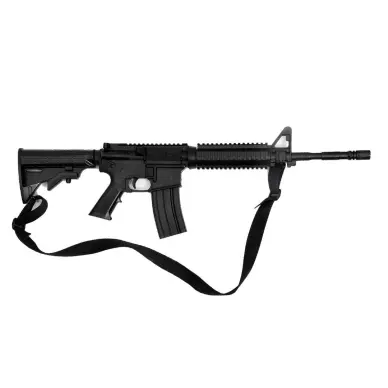
Dummy Guns and Other Educational Accessories
Training accessories are not limited to knife replicas and soft sticks.
In some programs, instructors also use non-functional replicas of other objects as simulation tools.
Discover our selection of dummy replicas for supervised drills.
These products have their own features and safety guidelines. They should be distinguished from soft weapons and traditional wooden equipment.
FAQ – Foam and Rubber Training Weapons
Why choose a foam training weapon?
A foam accessory can be more flexible than a rigid model and cushion some impacts. This depends on its design and the drill performed.
Is soft rubber suitable for beginners?
It may be suitable for some introductory drills when its rigidity matches the educational needs and the session is properly supervised.
Is a soft dummy weapon completely safe?
No. A soft accessory can still cause injuries if movements are not controlled.
What’s the difference between soft and semi-rigid rubber?
Soft rubber usually deforms more. A semi-rigid model retains its shape better, but properties vary by product.
Which dummy knife should I choose for training?
Choose a model adapted to the participants’ level, the intended drills, and your instructor’s guidelines.
Can a soft tanto be used for martial arts?
Yes, some disciplines use soft tantos in specific educational drills. Their use should be approved by the instructor.
Can clubs use foam weapons for beginners?
Certain models may be suitable for beginner workshops, provided supervision and safety rules are followed.
How do you clean a rubber dummy weapon?
Follow the manufacturer’s instructions and avoid substances that could damage the material.
Find Your Foam and Rubber Training Weapons at Budo Fight
At Budo Fight, discover foam and rubber dummy accessories for various martial arts practices and supervised technical exercises.
Depending on the model, our selection includes:
Flexible or semi-rigid dummy knives.
Tantos designed for specific martial arts exercises.
Training sticks and bokkens.
Foam nunchakus and tonfas.
Weapons suitable for certain Chanbara exercises.
Dummy replicas for educational use.
To complete your gear, also explore the other families of weapons for martial arts.
Choose your equipment based on your discipline, the practitioners’ level, and your club’s recommendations.