






Martial Arts Equipment: Uniforms, Protective Gear, and Accessories for Every Discipline
Each martial art has its own techniques, traditions, and equipment requirements. At Budo-Fight, discover a selection of gear for aikido, krav maga, Brazilian jiu-jitsu, grappling, taekwondo, kendo, chanbara, sambo, and wrestling.
Whether you're looking for a training uniform, gi, protective gear, or specific accessories, choose equipment suited to your discipline, body type, and skill level.
Beginners, advanced practitioners, instructors, clubs, and competitors can all find the gear they need, from first classes to regular training sessions.
Which Equipment Should You Choose for Your Martial Art?
Different disciplines use different uniforms and protective gear. Some focus on grappling and throws, while others emphasize striking techniques or training weapons.
Here are the main differences to help guide your choice.
Discipline | Main Characteristics | Typical Equipment |
|---|---|---|
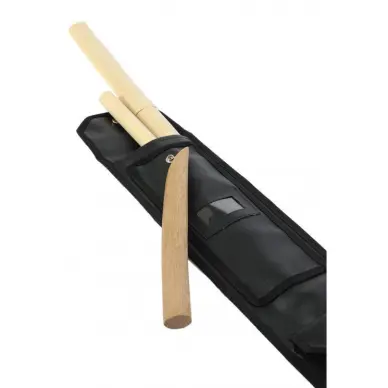
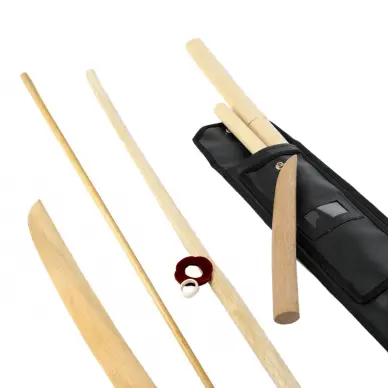
Aikido | Movement, control, throws, and traditional practice | Gi, hakama, belt, bokken, jo |
Krav maga | Self-defense and scenario training | Technical clothing, gloves, protective gear |
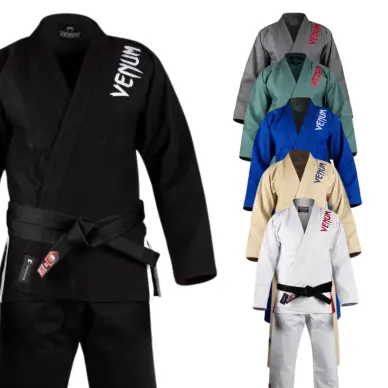
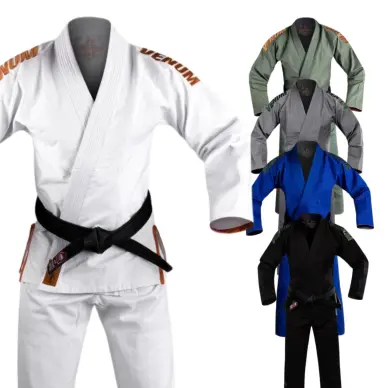
Brazilian jiu-jitsu (BJJ) | Grappling, control, and ground submissions | BJJ gi, belt, accessories |
Grappling / No-Gi | Wrestling and submissions without a gi | Rashguard, technical shorts, training dummy |
Taekwondo | Kicking techniques, forms, and sparring | Dobok, belt, headgear, chest guard |
Kendo | Codified practice of the Japanese sword | Shinai, keikogi, hakama, bogu |
Chanbara | Sport combat with adapted training weapons | Training swords and protective gear |
Sambo | Throws, grappling, and control | Kurtka, shorts, specific shoes |
Wrestling | Grappling, throws, and ground fighting | Wrestling uniform, shoes, protective gear |
Before purchasing your equipment, check with your instructor. Requirements may vary depending on your club, school, or competition rules.
Aikido: Gi, Hakama, and Training Weapons
Aikido is a Japanese martial art based on movement, off-balancing, joint control, and mastery of motion.
Practice includes empty-hand techniques and, in some schools, work with traditional training weapons.
Discover our selection of aikido equipment, suitable for both beginners and regular practitioners.
Which Gi Should You Choose for Aikido?
The aikido gi, also called aikidogi or keikogi, must allow for movement, falls, and partner exercises.
For beginners, choose a comfortable uniform that is flexible and resistant to grappling.
For more intensive practice, fabric quality, stitching, and reinforcements become especially important.
Find a range of aikido gi for your dojo training.
Aikido Hakama: How to Choose?
The hakama is a traditional Japanese garment worn over the keikogi.
It is distinguished by its pleats, wide cut, and ties that secure it at the waist.
Its use depends on each school's traditions. Some dojos allow it from the first ranks, while others reserve it for more advanced practitioners.
To choose a hakama suited to your practice, check its length, material, and your instructor's recommendations.
Bokken, Jo, and Tanto: Traditional Weapons
Weapons training helps develop distance, movement, and coordination.
The most commonly used accessories include:
The bokken: a training sword usually made of wood.
The jo: a staff used for technical drills and codified sequences.
The tanto: a training knife, typically made of wood or another material suitable for practice.
Discover our selection of aikido training weapons.
The choice of size and materials should follow your instructor’s guidelines. These accessories must be used in a supervised setting.
Krav Maga: Protection Gear and Self-Defense Equipment
Krav Maga is a self-defense method combining striking, release, and control techniques, as well as a variety of scenario-based drills.
Training may include solo exercises, partner work, and contact situations.
The choice of equipment depends on the intensity of your sessions and the methods taught at your club.
Explore our range of krav maga equipment.
What protection gear do you need for krav maga?
Depending on the drills, your instructor may require gloves, a mouthguard, a groin guard, or shin guards.
For partner sessions, support and padding are especially important.
Protective gear for krav maga training should be chosen based on exposed areas and the level of contact.
No protection eliminates the risk of injury entirely. Controlled movements and following instructions remain essential.
What should you wear for krav maga?
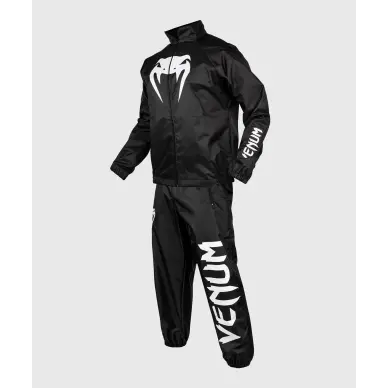
Krav maga apparel should allow for quick movement, squatting, and performing various techniques without restriction.
Some clubs require specific pants and a t-shirt, while others accept suitable sportswear.
Choose a comfortable fit, reinforced seams, and a fabric that matches your training frequency.
Brazilian Jiu-Jitsu (BJJ): Gis and Ground Fighting Accessories
Brazilian jiu-jitsu, or BJJ, is a discipline focused on partner control, holds, and submission techniques.
Ground work and grips are a major part of training sessions.
To train in a gi, it’s essential to choose gear designed to withstand repeated pulling and friction.
Discover our selection of BJJ equipment.
How to choose your BJJ gi?
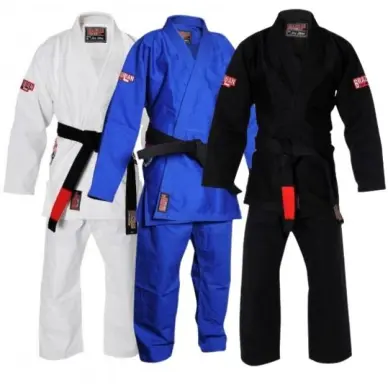
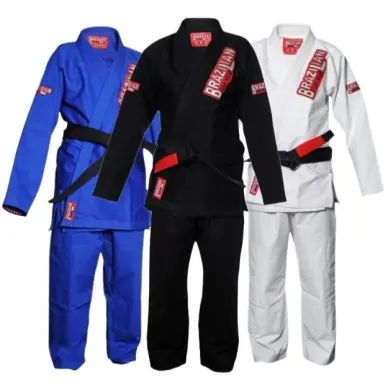
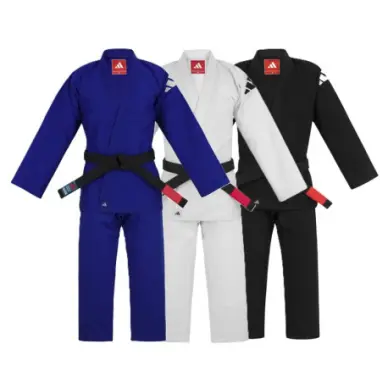
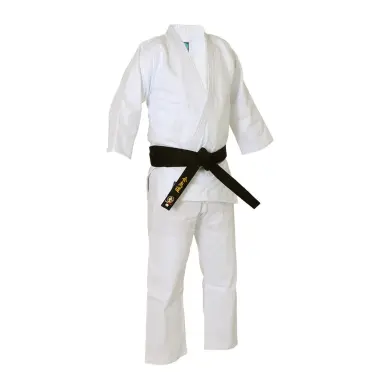
The BJJ gi, also called a gi, usually consists of a jacket, pants, and a belt.
To choose well, check several criteria:
Fit: snug enough for practice, without restricting movement.
Fabric: suitable for gripping and your training frequency.
Reinforcements: especially important in high-stress areas.
Size: matches your body type and the manufacturer’s guidelines.
Regulations: some competitions require specific sizes and colors.
Compare BJJ gis by material, fit, and intended use.
BJJ Belts and Accessories
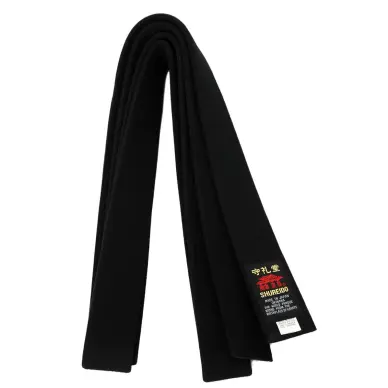
The belt represents the practitioner’s rank according to the discipline’s progression system.
Its color and length should match the practitioner’s level and body type.
Certain additional accessories may also be used for training, such as approved protective gear or finger support equipment.
For competition, check the applicable regulations before purchasing specific gear.
Grappling and No-Gi: Technical Apparel for Ground Fighting
Grappling includes techniques for gripping, control, throws, and submissions.
No-Gi refers to training without the traditional gi. Practitioners usually wear technical apparel suited for ground transitions.
Explore our range of grappling and No-Gi equipment.
Rashguards and Grappling Shorts
The rashguard is a fitted technical top, usually made from stretchy synthetic fibers.
It moves with you and can help reduce direct friction with the mat.
Rashguards for combat sports come in different fits and sleeve lengths.
Grappling shorts should also allow for bending, movement, and quick position changes.
Choose a model without open pockets or rigid elements that could interfere with partner drills.
What’s the difference between BJJ in gi and No-Gi?
In BJJ with a gi, gripping the jacket and pants is part of controlling your partner.
In No-Gi, the absence of a gi changes grip options and some combat strategies.
Both styles share many techniques but require different apparel.
Grappling Training Dummies
Training dummies can be used to practice specific positions and transitions without always needing a partner.
They are a great addition to technical work, but do not replace supervised training sessions.
Discover our range of dummies designed for grappling drills.
When choosing a model, consider its weight, dimensions, flexibility, and the exercises you want to perform.
Taekwondo: doboks, belts, and protective gear
Taekwondo is a Korean martial art especially known for its dynamic kicking techniques and high, powerful kicks.
Training includes technical drills, set forms, and, depending on the style, sparring with a partner.
Your gear should allow for fast movements while meeting your club’s requirements.
Explore our selection of equipment for taekwondo practice.
How to choose your taekwondo dobok?
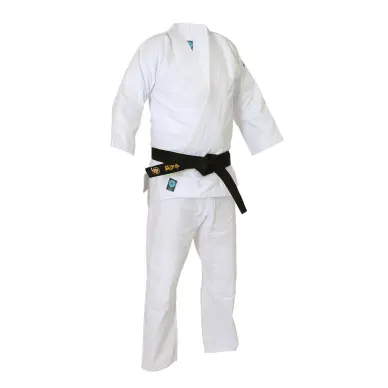
The dobok is the traditional taekwondo uniform.
It usually consists of a jacket, pants, and a belt.
The cut should allow for high kicks, footwork, and technical stances without restricting movement.
Your choice depends on size, fabric, and type of practice.
Find a variety of doboks for kids and adults.
Taekwondo belts and progression
The belt represents the practitioner’s rank.
Colors and promotion requirements may vary depending on the school or organization.
Before buying a new belt, check the color that matches the rank assigned by your instructor.
Which protective gear for taekwondo?
During sparring, several types of equipment may be required depending on the rules in place.
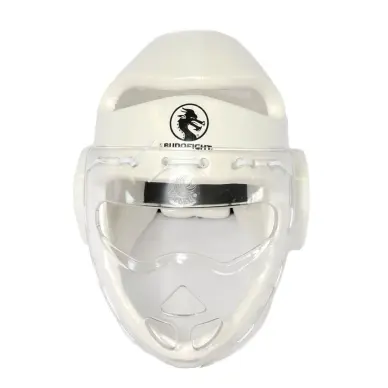
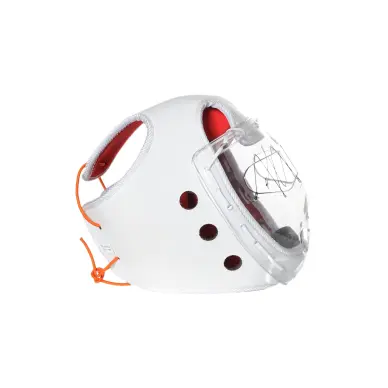
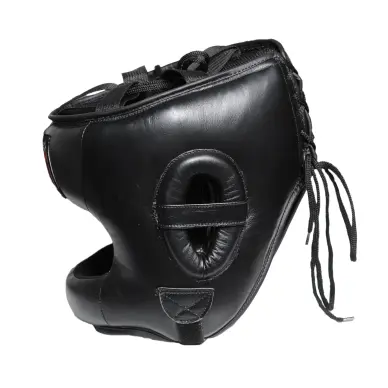
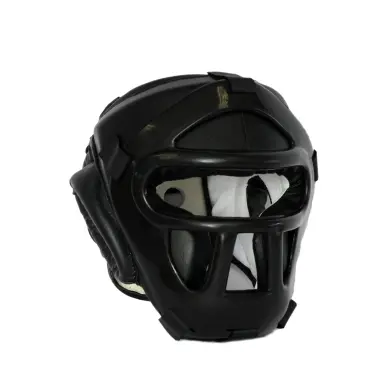
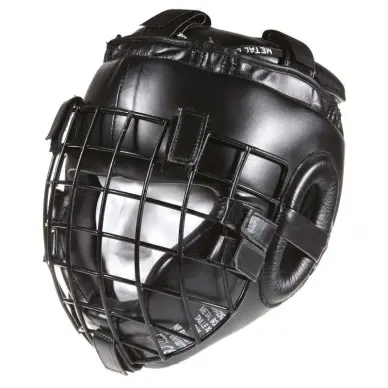
Common protective gear includes headgear, chest guard, forearm guards, shin guards, and additional protection.
When choosing your taekwondo protective gear, consider size, support, and intended use.
Certain competitions require specific certifications or equipment, so it’s important to check the current rules.
Kendo: equipment for the Japanese art of the sword
Kendo is a Japanese martial art focused on swordsmanship through technical drills and structured sparring.
It uses a traditional uniform, specific accessories, and, in some training phases, protective armor.
Browse our selection of gear for kendo practice.
Shinai and bokken: what’s the difference?
The shinai is made of assembled bamboo slats and is used for drills and sparring in kendo.
The bokken, usually made of wood, is used for certain technical exercises and set forms.
These two training weapons are not interchangeable.
To choose from our shinais for kendo, check the length, model features, and your instructor’s recommendations.
Kendogi, hakama, and protective gear
The kendo uniform mainly consists of a kendogi or keikogi and a hakama.
For contact drills, practitioners wear armor called bogu.
It includes several pieces designed to protect the head, hands, torso, and waist.
The choice of equipment depends on your level, body type, and your dojo’s guidelines.
Chanbara: gear for sport sword fighting
Sport chanbara, sometimes called spochan, is a modern Japanese discipline using training weapons adapted for safe, sport-based practice.
Unlike kendo, it has its own rules and uses different equipment.
Discover our range of accessories for sport chanbara.
Which gear to choose for chanbara?
Depending on the category and drills, chanbara uses various types of training weapons.
They come in different lengths and designs, often with flexible materials suited to the intended use.
Specific protective gear may also be required.
Your choice should follow your club’s rules and the authorized features for practice.
What’s the difference between kendo and chanbara?
Both disciplines develop distance management, movement, and coordination for sword handling.
Kendo uses a specific uniform, protective gear, and highly structured drills.
Sport chanbara uses other training weapons and different sparring formats.
The best choice depends on your goals and the instruction offered at your club.
Sambo and wrestling: uniforms and protective gear for grappling sports
Sambo and wrestling are combat sports where grips, throws, and controlling your opponent are key elements.
Their gear varies depending on the allowed techniques and regulations.
Check out our selection of gear for sambo and wrestling.
What gear do you need for sambo?
Sport sambo uses a specific jacket called a kurtka, along with shorts and suitable shoes.
The outfit must withstand gripping while allowing throws and ground movement.
Sport sambo and combat sambo do not always require the same protective gear.
Before entering a competition, check the requirements of your sports organization.
Which outfit should you choose for wrestling?
Wrestling is usually practiced with a fitted outfit that follows your movements and grips.
The shoes should provide good foot support and proper grip on the mat.
When choosing a pair, check the size, sole flexibility, and ankle comfort.
Depending on your needs, ear guards, knee pads, or other equipment may also be used.
Their use depends on club rules and the competition format.
How to choose your martial arts equipment?
Good equipment should always match your discipline and intended use.
Before placing an order, consider several key factors.
Your skill level
For beginners, focus on the essential gear recommended by your instructor.
It's not always necessary to buy a premium outfit or every available protection right away.
With more regular practice, you can select more specialized equipment as needed.
Size and body type
A properly fitted outfit makes movement and technique execution easier.
For gi, doboks, hakamas, and technical clothing, refer to the manufacturer's sizing information.
Also consider the cut and possible fabric shrinkage after washing.
Training frequency
If you train several times a week, your gear will be put to the test more often.
Fabric durability, seam quality, and closure strength become important factors.
Your discipline's requirements
Some schools require traditional outfits or specific accessories.
Competitions may also require approved models, specific colors, or certain protective gear.
Equipment suitable for training is not always allowed in competition.
Your club's recommendations
Your instructor knows the technical requirements of your discipline and the equipment best suited for the exercises offered.
Their advice is especially helpful when choosing training weapons, protective gear, and equipment for children.
How to care for your martial arts equipment?
Regular maintenance helps preserve hygiene, comfort, and the lifespan of your gear.
Caring for gi and traditional outfits
Follow the washing instructions provided by the manufacturer.
Some fabrics may shrink, depending on their composition and the wash temperature.
Let clothing dry completely before storing.
Cleaning protective gear and technical clothing
After each session, remove protective gear and damp clothing from your bag.
Clean surfaces using a method compatible with the materials.
For rashguards and other stretch fabrics, avoid treatments that could damage the fibers.
Checking training weapons
Before each session, inspect the condition of your accessories.
A cracked bokken, damaged shinai, or worn training weapon can be dangerous.
Do not use damaged equipment and always follow your instructor's guidelines.
Frequently asked questions about martial arts equipment
What equipment should you buy to start a martial art?
This depends on the discipline. A gi and belt are often enough for the first classes of a traditional martial art, while contact sports may require additional protective gear.
Can you use the same gi for several martial arts?
Some outfits can be used for different types of training, but cuts and technical requirements vary. Before using a gi in another discipline, ask your instructor for advice.
What is the difference between BJJ and No-Gi grappling?
BJJ practiced in gi uses grips on the jacket and pants. No-Gi is practiced without a gi, usually with close-fitting technical clothing.
What protective gear is needed for krav maga?
The required protection depends on the intensity and type of drills. It may include gloves, a mouthguard, shin guards, and a groin guard.
Is the hakama mandatory in aikido?
No, not in every school. Its use depends on dojo traditions and the instructor's recommendations.
What is the difference between a dobok and a gi?
The dobok is the traditional taekwondo uniform, while the term gi is commonly used in French to refer to several Japanese martial arts uniforms. Their cuts and features differ depending on the discipline.
How do you know if equipment is allowed in competition?
Check the official rules of the event. Some competitions require specific dimensions, colors, or approved models.
How to choose a martial arts outfit for a child?
Choose a size that fits your body, a comfortable cut, and a fabric suited to your training needs. Avoid oversized uniforms that could restrict your movements.
Budo-Fight, your store for martial arts and combat sports
Since 1963, Budo-Fight has supported martial arts and combat sports enthusiasts in selecting their equipment.
Whether you practice aikido, krav maga, Brazilian jiu-jitsu, grappling, taekwondo, kendo, chanbara, sambo, or wrestling, our selection lets you compare uniforms, protective gear, and accessories tailored to your discipline.
From your very first class to regular training sessions and competitions, choose gear that matches your skill level, body type, and budget.
Explore our different disciplines and gear up to progress in your favorite martial art with Budo-Fight.