
The Fascinating History of Judo
Who created judo? When was it invented? What is the purpose of judo? Budo-Fight, martial arts expert, takes a closer look at the brief yet fascinating history of judo! Enough to impress your friends with unique anecdotes during the next Olympic Games…
What are the origins of judo?
Surprising but true: far from being an ancient martial art like tai chi, judo was actually created… at the end of the 19th century!
Jigorō Kanō, the inventor of judo
 As you might have guessed, it was in the Land of the Rising Sun that this combat sport was born. Judo first appeared in 1882, thanks to Jigorō Kanō, a young Japanese teacher passionate about ju-jitsu.
One day, he noticed that the largest snow-covered cherry branches would break under their own weight, while the more flexible ones would shed the snow by bending… Inspired, he developed the founding principles of a brand new discipline: judo.
Master Jigorō Kanō passed away in 1938, after training many students and contributing to the spread of judo through his travels.
The way of flexibility: the definition of judo
Indeed: the word judo literally means “the way of flexibility.” The core principle is not to resist your opponent, but rather to yield in order to use their own strength. In fact, it was the first modern martial art whose goal was not so much to fight, but rather to elevate people in service of a better society.
It was in this spirit that Jigorō Kanō founded the Kodokan in Tokyo, at just 22 years old. The school for “the study of the way,” also known as the Mecca of judo, was the first institution in the history of this sport.
In 1887, a national school for all martial arts was created by the Japanese government: the Butokukai. Despite this competition, the Kodokan continued to rise until it became a public institution in 1909. After World War II and Japan’s crushing defeat, the Americans banned martial arts: judo was then recognized as a sport to avoid the ban… That too is the way of flexibility!
What is the purpose of judo?
Don’t know much about judo? It’s never too late to learn: Budo-Fight will tell you more about the basics of this fascinating sport.
The basics of judo
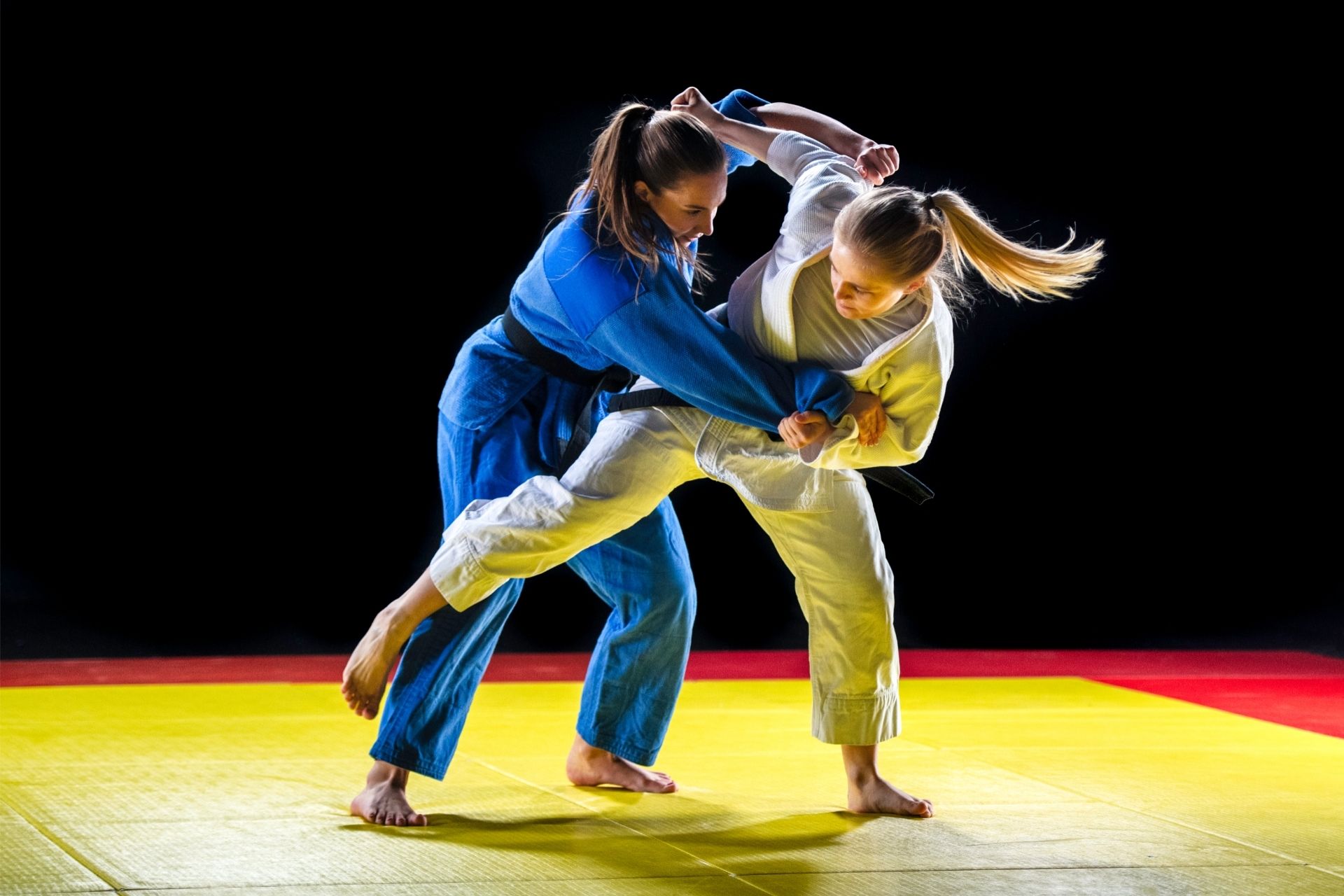 First of all, judo is practiced in a hall called a dojo. To step onto the mat, known as the tatami, the judoka must wear a white gi, tied with a belt (or “obi”). Depending on the student’s rank, the belt color varies: white, brown, or even two-tone… To learn more, feel free to check out our guide to judo belt colors!
During matches, the two judokas try to throw each other to the ground bare-handed by gripping their gi, without striking. To win the match, they generally need to score an ippon (“full point” in Japanese): in other words, both of their opponent’s shoulders must touch the mat after a throw. The term waza-ari is used when only one shoulder touches the mat: two waza-ari are needed to earn an ippon.
The moral code of judo
Much more than a sport, it is also a true school of life. In 1985, the moral code of judo was created based on the code of honor and ethics of the national black belt college.
The moral code includes the 8 fundamental values that every judoka must follow:
- Friendship: the purest of human feelings;
- Courage: doing what is right;
- Sincerity: expressing oneself without disguising one’s thoughts;
- Honor: being true to one’s word;
- Modesty: speaking about oneself without pride;
- Respect: without respect, no trust can be established;
- Self-control: knowing how to remain silent when anger rises;
- Politeness: respecting others.
Following these moral rules is essential in order to advance to the next rank and achieve the next kyu or dan.
A brief history of the judo gi
To be completely accurate, we should actually talk about the judo gi, since a Japanese kimono can refer to any traditional garment.
The first judo gis
Invented by the creator of judo himself, the judo gi refers to the traditional training garment for judo. This gi generally has a heavier fabric weight than in other martial arts. Why is that? So that grips are harder to execute and the gi fabric doesn’t tear, while still allowing the student full freedom of movement.
Judo gis today
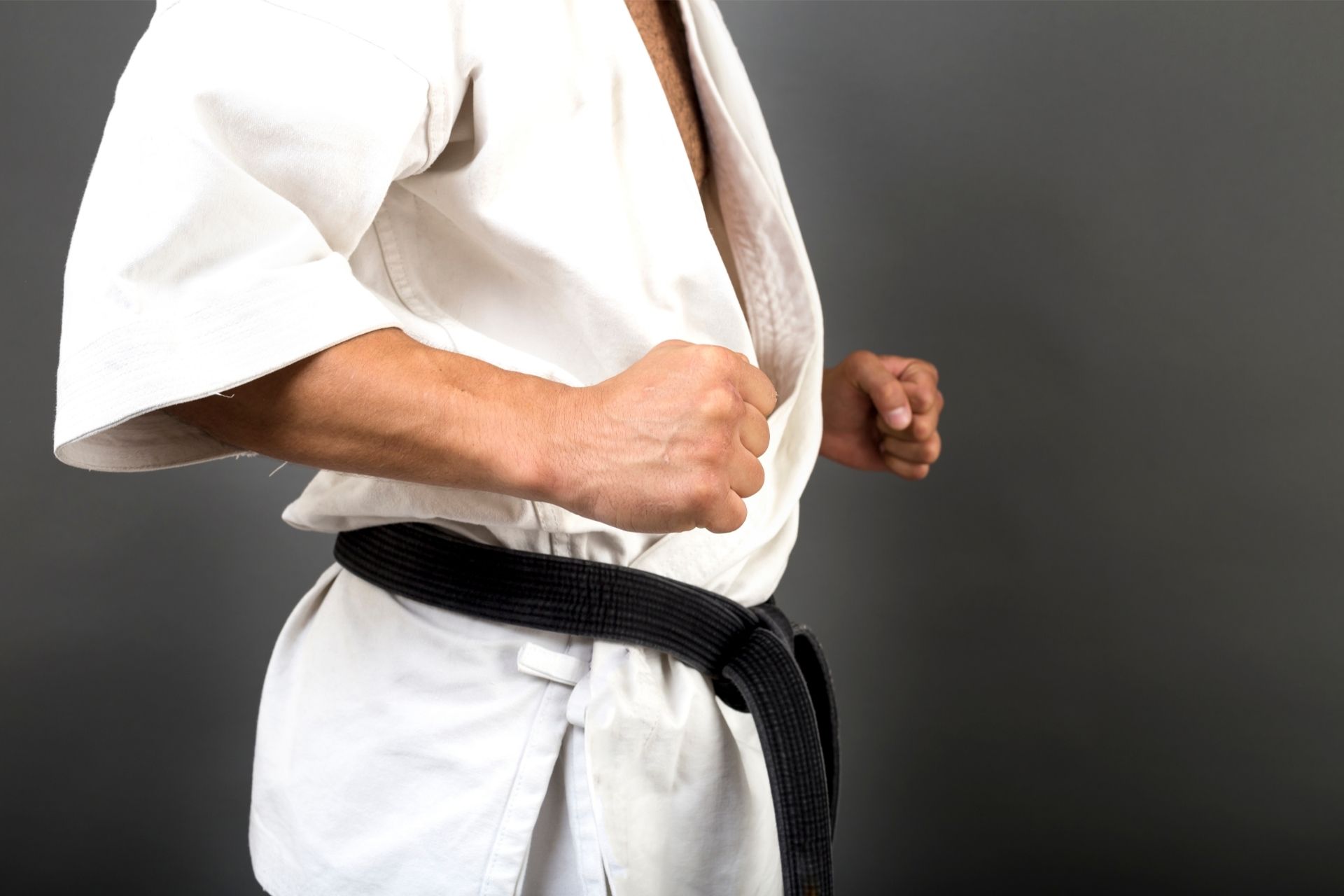 Why do we so often see white gis? This color was chosen to symbolize humility and purity, but also because it is easier to care for!
You’ve probably already noticed: since the 1990s, the blue judo gi has been reserved for competitions to better distinguish the two opponents during a match. Even today, there is no difference between the women’s judo gi and the men’s. The only difference in judo attire: women are required to compete with a white t-shirt under their gi.
Did you know? The International Judo Federation requires judokas to wear a regulation judo gi, so as not to give any competitor an unfair advantage. So make sure to choose your judo gi carefully if you plan to compete!
What are the key dates in judo history?
While Japan remains the birthplace of judo, France has carved out a special place in the discipline. David Douillet, Teddy Riner, and Clarisse Agbégnénou… So many great champions the world admires!
- 1860: birth of Jigorō Kanō, founder of Judo.
- 1926: Gunji Koizumi invents the colored belt system for the gi.
- 1943: the first French judo championships take place in Paris.
- 1946: creation of the French Judo Federation.
- 1951: creation of the International Judo Federation.
- 1956: first World Championships in Tokyo.
- 1964: judo becomes part of the Olympic Games program in Tokyo.
- 1972: first French Olympic victory in judo.
- 1975: Jean-Luc Rougé becomes the first French world judo champion.
- 1992: Cécile Nowak and Cathy Fleury become the first French women Olympic judo champions in Barcelona.
- 2000: David Douillet becomes the most decorated judoka of all time with a second Olympic title in Sydney.
- 2020: Teddy Riner breaks all records after 5 Olympic medals and 10 world championships.
- 2021: Clarisse Agbégnénou wins her 5th world title in Budapest.
You now know more about the history of judo! What are you waiting for to step onto the tatami? On Budo-Fight, find your next judo gear at the best price: Adidas judo gi, Mizuno gi, or even KuSakura models… There’s a wide selection of training and competition judo gis! You’ll also find kids’ gis or pairs of zooris to complete your outfit.
Want to learn more about another Japanese martial art? Feel free to dive into our kung fu universe!