







Gloves, Protective Gear & Combat Sports
Looking for boxing equipment to get started, train, or prepare for competition? At Budo-Fight, discover a wide selection of boxing and combat sports gear for kids and adults, from beginners to advanced boxers.
Find all the essentials for your discipline: boxing gloves, punching bags, headgear, mouthguards, hand wraps, shoes, shorts, and training accessories.
Whether you practice English boxing, savate, Muay Thai, or kickboxing, choose gear suited to your discipline, skill level, and training frequency.
Explore our selection of boxing equipment and get ready to progress in the ring, at your club, or during your physical preparation sessions.
What equipment do you need for boxing?
Your gear selection depends on the sport, allowed techniques, and type of training. You’ll find hand wraps, inner gloves, and other essential boxing accessories.
For your first classes, the most common items are gloves, hand wraps, suitable apparel, and a mouthguard when needed. Other protective gear may be required by your coach or competition rules.
Essential Boxing Equipment Table
Equipment | Main Use | For Which Practice? |
|---|---|---|
Boxing gloves | Absorb impact and protect the hands | English boxing, kickboxing, Muay Thai, savate |
Hand wraps | Provide extra support for hands and wrists | Training and competition (depending on rules) |
Mouthguard | Reduce the risk of dental and oral injuries | Sparring and competition |
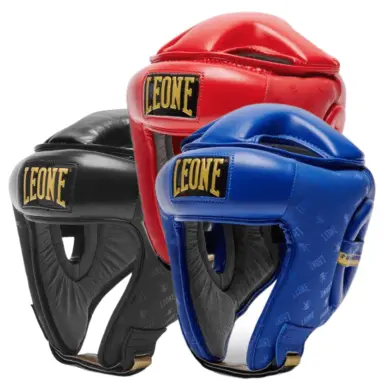
Boxing headgear | Limit superficial injuries | Training and some competitions |
Groin guard | Protect the groin area from impact | Depending on discipline and regulations |
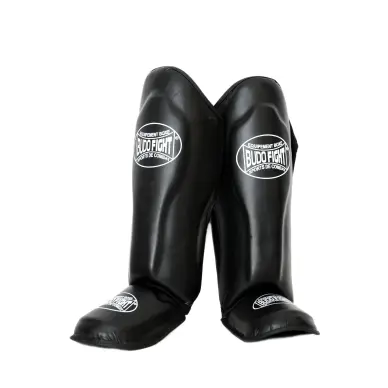
Shin and foot guards | Cushion impact during kicks and blocks | Kickboxing, Muay Thai, and striking disciplines |
Boxing shorts | Allow easy movement and mobility | Depending on discipline |
Boxing shoes | Support footwork, pivots, and movement | English boxing, savate, and specific disciplines |
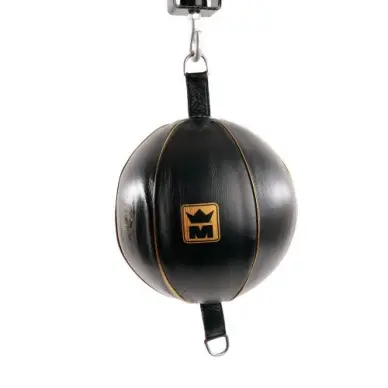
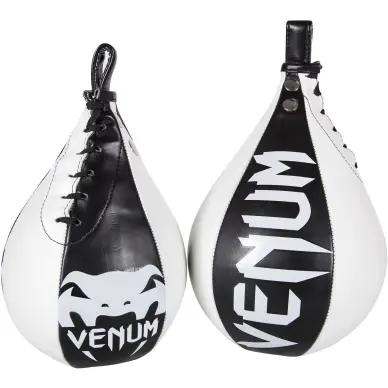
Punching bag | Work on accuracy, combinations, and conditioning | Technical and physical training |
Proper gear does not replace good technique, supervised training, and following safety rules.
Boxing gloves: how to choose the right model?
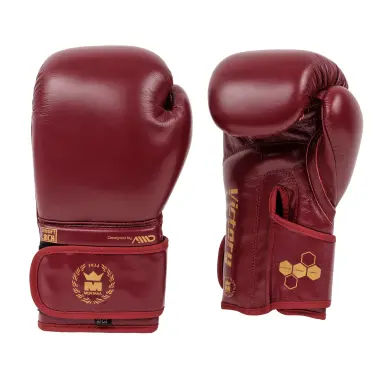
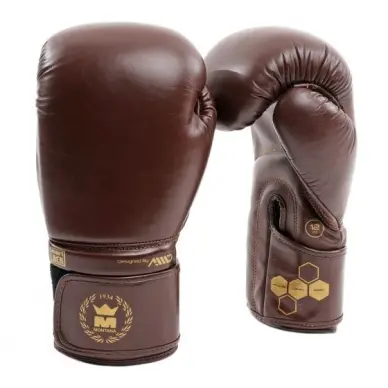
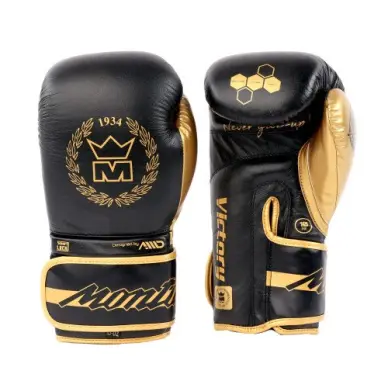
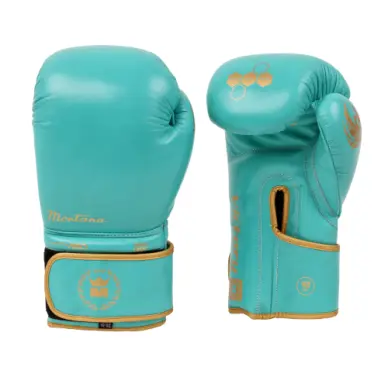
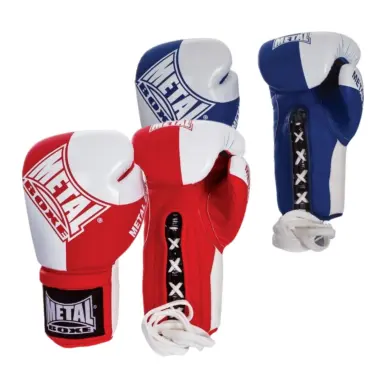
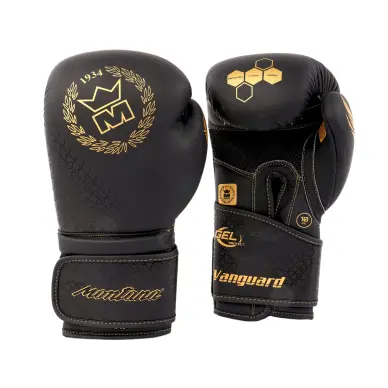
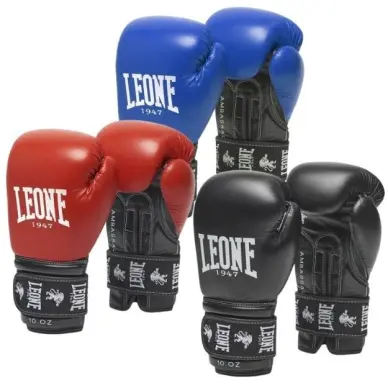
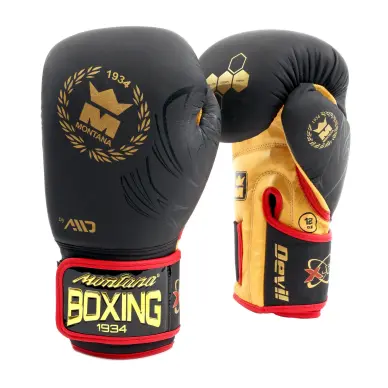
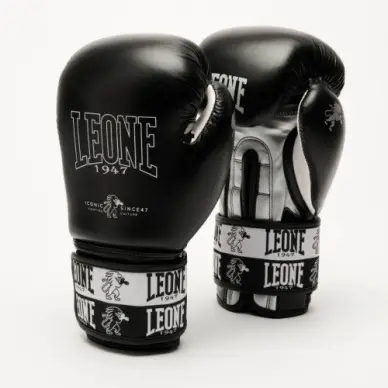
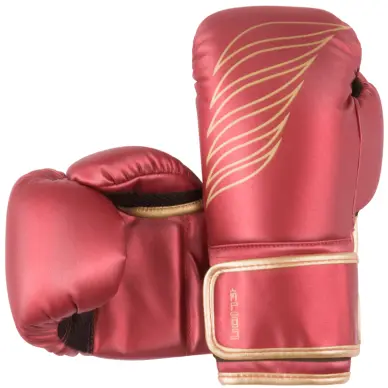
Boxing gloves for training and competition are among the most important pieces of equipment for any boxer.
They are designed to protect your hands and distribute impact. Their shape, padding, closure system, and weight vary by model.
To choose the right gloves, consider your discipline, body type, and intended use: bag work, technical training, sparring, or competition.
What boxing glove weight should you choose?
Glove weight is usually given in ounces (oz). This is the glove’s nominal weight, but it does not alone determine the inner size or level of protection.
Glove weight | Suggested use |
|---|---|
6 to 8 oz | Certain kids’ models or specific uses |
10 oz | Technical work, punching bag, or competition depending on regulations |
12 oz | All-purpose training depending on the user’s build |
14 oz | Regular training and some partner drills |
16 oz | Sparring and partner training depending on your build and club guidelines |
18 oz and up | Specific training and larger athletes |
These guidelines are general. The right weight depends on your body type, glove design, discipline, and your club’s rules.
For sparring, always follow your coach’s instructions.
Boxing gloves for beginners
When starting boxing, choose gloves that are comfortable, with suitable padding and an easy-to-use closure system.
Velcro closure gloves are convenient for regular training and allow for quick adjustments.
Make sure your hand stays properly positioned inside the glove and that you can make a fist without excessive discomfort.
The right equipment isn’t necessarily the most expensive: it should first and foremost match your needs and practice.
Boxing gloves for intensive training
If you train frequently, check the quality of the padding, stitching, outer material durability, and wrist support.
A model suited for regular training should offer a good balance of comfort, protection, and resistance to wear.
Natural leather and synthetic materials have different features. However, build quality is just as important as the outer material.
Punching bag gloves vs. sparring gloves: what’s the difference?
Bag work puts repeated stress on gloves against a dense surface. For this, there are gloves specifically designed for punching bag training.
Sparring, which involves training with a partner, requires gloves suitable for contact and your club’s safety guidelines.
Some bag gloves have less padding than sparring gloves, so they should not be used interchangeably.
Always check the manufacturer’s and your coach’s recommendations before choosing a model.
How to choose the right size and closure?
Weight in ounces does not replace a proper fit check.
The internal shape of gloves varies by brand and model. Consider your hand size and whether you’ll use hand wraps or inner gloves.
Velcro closures are practical for everyday use. Lace-up models allow for a precise fit but usually require someone else to tie them properly.
In all cases, the glove should stay secure without excessively compressing your hand.
Boxing protection: essentials for training
Combat sports expose athletes to impacts and repeated contact.
The choice of protection depends on your discipline, training intensity, and applicable rules.
Boxing mouthguards
A mouthguard designed for combat sports is especially important during partner training and competitions.
It helps reduce the risk of certain dental and mouth injuries, though it cannot eliminate all impact risks.
Some models are moldable for a custom fit. Follow the manufacturer’s instructions for proper adjustment.
The mouthguard should stay in place and allow you to breathe as comfortably as possible.
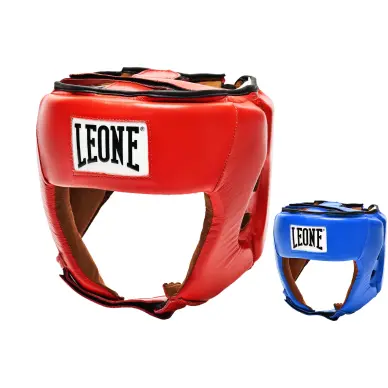
Boxing headgear
Headgear designed for boxing training is used in certain sessions and competitions.
It can help limit some superficial injuries, but does not eliminate the risk of concussion.
Choose headgear suited to your head size, offering good visibility and a stable fit.
Paddings, closure systems, and coverage of exposed areas vary by model.
Groin guards
Groin guards for combat sports are designed to protect the groin area from certain impacts.
They should be suited to your body shape and the requirements of your discipline.
Check that the groin guard stays in place during movement without excessively restricting your range.
Hand wraps and inner gloves
The hand wraps used under boxing gloves help support the hands and wrists.
Their length and material vary depending on the model.
Inner gloves are another solution for certain training sessions. Depending on their design, they can improve comfort and make it easier to put on your gear.
Learn how to wrap your hands properly to avoid excessive compression.
Shin Guards and Foot Guards
In kickboxing and Muay Thai, the legs are heavily used for kicks and blocks.
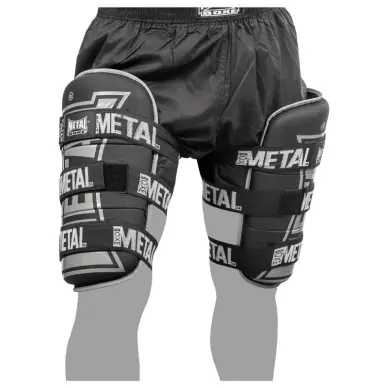
Shin guards and foot guards help absorb impacts during partner training.
To choose the right model, check the padding, shin and instep coverage, support, and freedom of movement.
Lightweight protection may be suitable for technical drills, while sessions with heavier contact generally require models designed for that level of intensity.
Punching Bags: Build Your Technique and Fitness
An appropriate punching bag for your training is a versatile training tool.
It lets you work on combinations, accuracy, rhythm, and endurance, while developing coordination.
Your needs will vary depending on whether you focus mainly on punching or practice a discipline that combines punches, kicks, knees, and other authorized techniques.
Hanging Punching Bag
The hanging punching bag is a popular choice for home and gym training.
It requires a mounting system suited to the bag’s weight and the dynamic forces generated by impacts.
Before installation, check the strength of the support, the specifications of the fixings, and the available space around the bag.
Freestanding Punching Bag
A freestanding punching bag can be a great option when ceiling mounting isn’t possible.
Consider its stability, height, and footprint before purchasing.
Depending on the model, you may need to fill the base to achieve sufficient stability.
Which Punching Bag Should You Choose as a Beginner?
For your first setup, assess your available space, the types of techniques you’ll practice, the bag’s height, and installation options.
For kickboxing and Muay Thai, a long enough bag can be helpful for practicing kicks as well.
The weight and padding affect the striking feel and the bag’s movement.
To learn more about these criteria, check out our guide to choosing the right punching bag.
Boxing Shorts, Apparel, and Shoes
Proper apparel allows you to move freely during footwork, dodges, and combinations.
The cut and materials may vary depending on the discipline.
Boxing Shorts
Shorts designed for boxing sports are made to provide excellent freedom of movement.
Their cut varies between disciplines.
Muay Thai shorts, for example, are typically designed to accommodate high kicks and wide knee movements.
When choosing your shorts, check the belt support, material, length, and seam durability.
Want to personalize your gear? Discover our embroidery options for boxing shorts and pants.
Boxing Shoes
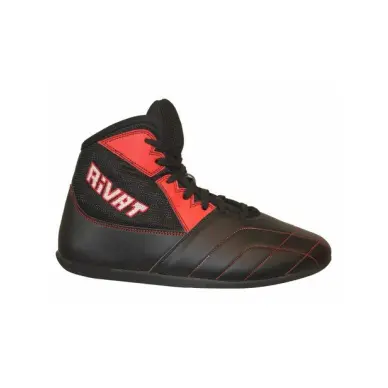
Shoes designed for different boxing styles are especially used in English boxing and savate French boxing.
They support footwork, shifting weight, and pivots.
Lightness, flexibility, grip, fit, and support are key factors.
In savate, the sport requires shoes specific to the discipline.
In contrast, Muay Thai is generally practiced barefoot.
What Are the Different Types of Boxing and Their Equipment?
Boxing includes several disciplines, each with its own techniques, rules, and equipment.
While gloves are used in many styles, protective gear, shoes, and apparel are not always interchangeable.
Comparison Table of Main Boxing Disciplines
Discipline | Main Techniques | Key Equipment |
|---|---|---|
English Boxing | Punches | Gloves, hand wraps, mouthguard, boxing shoes and shorts |
Savate French Boxing | Punches and codified kicks | Gloves, savate shoes and appropriate outfit |
Muay Thai | Punches, kicks, knees, elbows and clinch work | Gloves, Thai shorts, mouthguard and protective gear depending on the practice |
Kickboxing | Punches and kicks, with variations depending on the rules | Gloves, mouthguard, shin guards and appropriate outfit |
Round durations, categories, and mandatory protective gear vary depending on the federation, level, and competition format.
English Boxing: Technique, Precision, and Footwork
English boxing is a striking discipline using only punches.
It relies on footwork, dodges, guard, striking accuracy, and distance management.
Practitioners use boxing gloves, hand wraps, a mouthguard, suitable clothing, and boxing shoes.
To progress, heavy bag work, partner drills, and physical conditioning sessions are essential.
Savate French Boxing: The Art of Hands and Feet
Savate French boxing combines punching techniques and codified kicks.
This discipline stands out for its precision, distance control, and footwork.
It includes two main forms of confrontation:
Assaut: technical mastery is key and strikes must be controlled in power.
Combat: power is allowed within the limits of the applicable rules.
Savate requires specific clothing and shoes, in addition to gloves and protective gear as set by the rules.
Muay Thai: Thai Boxing
Muay Thai, also known as Thai boxing, is a combat sport originating from Thailand.
It uses punches, kicks, knees, elbows, and certain clinch techniques.
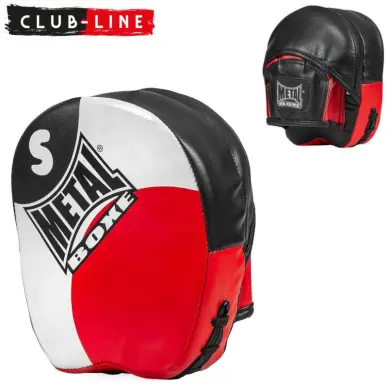
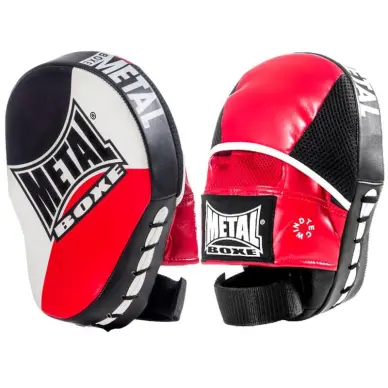
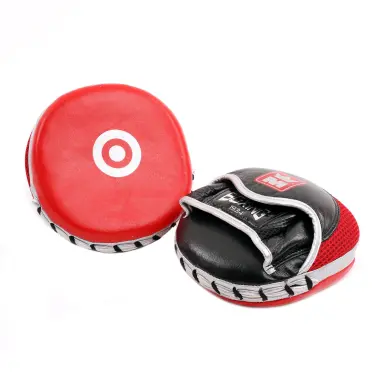
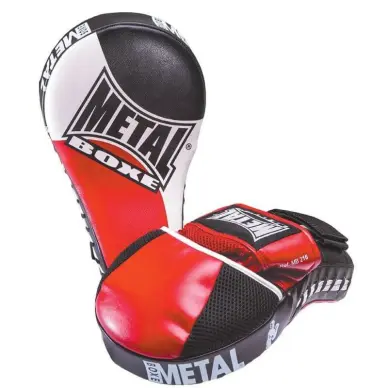
Training combines technical work, heavy bag striking, Thai pad drills, and strength conditioning.
Equipment generally includes boxing gloves, Thai shorts, a mouthguard, and additional protective gear depending on the session type.
Kickboxing: A Versatile Striking Discipline
Kickboxing combines punching and kicking techniques.
Allowed techniques vary by style and rules. Some formats allow knee strikes, while others do not.
Kickboxing develops coordination, footwork, distance management, and endurance.
For training, practitioners generally use gloves, hand wraps, a mouthguard, and, depending on the session, shin guards.
Which Boxing Equipment Should You Choose as a Beginner?
When starting boxing, you don't need to buy all the available equipment right away.
The most important thing is to choose the gear actually required by your gym and suited to your discipline.
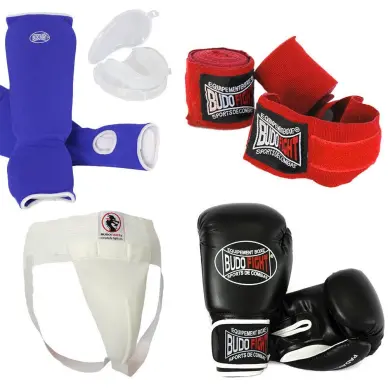
A starter set may include:
A pair of boxing gloves adapted to your practice.
Hand wraps or inner gloves for extra support.
A mouthguard for contact drills.
Sportswear suitable for movement.
Specific protective gear recommended by your coach.
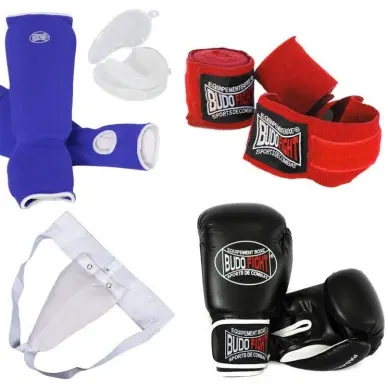
To make your first purchase easier, check out our boxing starter sets and bundles, which combine different equipment depending on the set.
Before placing your order, check the exact contents of the set, available sizes, and your gym's recommendations.
You can also read our guide to essential boxing equipment for beginners.
Boxing Equipment for Kids and Teens
Younger practitioners need gear suited to their age, size, and training type.
Discover our selection of kids' boxing gloves.
Gloves should allow a proper hand position without being too heavy or too large.
Protective gear should stay in place during movement, without restricting breathing or visibility.
For a child starting out, ask the coach for advice before choosing glove weight or protective gear.
Safety, comfort, and technical learning should always come before seeking power.
Boxing Equipment for Home Training
Do you want to complement your club training sessions with workouts at home?
Certain equipment lets you work on technique and fitness without a partner.
A punching bag suited to your space, a jump rope, and the right gloves can provide a solid foundation.
Shadow boxing, which involves repeating movements and combinations without striking a target, can also enhance your technical preparation sessions.
Before installing a hanging bag, make sure the support and mounting are suitable for the dynamic loads generated by strikes.
For beginners, it’s best to learn the technical basics from a coach to avoid developing bad habits.
How to care for your boxing gloves and equipment?
Proper care helps maintain the comfort, hygiene, and lifespan of your gear.
After each session, take your gloves and protective gear out of your bag and let them dry in a ventilated area.
Clean surfaces according to the manufacturer’s recommendations and avoid direct heat sources.
Wash your hand wraps and training clothes regularly.
Also check the condition of seams, closures, and padding.
Very worn gloves or those with damaged foam may no longer be suitable for certain uses, especially with a partner.
For more information, see our boxing glove care tips.
The history of boxing: from ancient fights to the modern sport
Boxing has a long history, predating the introduction of rings and modern gloves.
Depictions of bare-knuckle fighting exist in several ancient civilizations, including Mesopotamia and Egypt.
In ancient Greece, pugilism was part of combat disciplines and featured in the program of the ancient Olympic Games.
The first fights without modern gloves
Fighters in antiquity did not use the padded gloves we know today.
They could wrap their hands with leather straps, called himantes in the Greek world.
The rules, protections, and fighting conditions were very different from those of modern sports.
The birth of modern English boxing
Modern English boxing gradually developed in Great Britain.
In the 18th century, Jack Broughton helped establish rules to regulate fights.
In the 19th century, the adoption of more precise rules and the development of padded gloves contributed to the evolution of the discipline.
Today, boxing sports are practiced in many countries, with specific regulations depending on federations and competition formats.
How to warm up properly before a boxing session?
A warm-up can include joint mobilization, footwork, coordination exercises, and technical combinations with increasing intensity.
Jump rope, footwork, and shadow boxing are commonly used in clubs.
Intensity can increase gradually, depending on the practitioner’s level and the session content.
A proper warm-up doesn’t guarantee you won’t get injured, but it helps prepare your movements and efforts for the session.
Frequently asked questions about boxing equipment
Which gloves should you choose to start boxing?
Choose comfortable gloves with suitable padding and a practical closure. The weight in ounces should be selected based on your body type, discipline, and your club’s recommendations.
Can you use the same gloves for the bag and sparring?
Some gloves are suitable for multiple exercises, but bag-specific models are not always appropriate for sparring. Check their intended use and your coach’s advice.
What equipment do you need for English boxing?
The equipment generally includes gloves, hand wraps or inner gloves, suitable clothing, and a mouthguard for contact drills. Boxing shoes and other protective gear may be required depending on your practice.
What gear should you choose for Muay Thai or kickboxing?
In addition to gloves, a mouthguard, and clothing, these disciplines may require shin guards, foot guards, and other specific equipment.
Do you need a punching bag to get started?
No. A punching bag is useful for complementing your training, but it’s not essential for your first classes. Supervised technical drills should remain the priority.
How do you know if your equipment is allowed in competition?
Check the rules of your federation or the event organizer. Requirements for glove weight, protective gear, and clothing may vary from one competition to another.
Why buy your boxing equipment from Budo-Fight?
Since 1963, Budo-Fight has supported martial arts and combat sports practitioners in choosing their gear.
Whether you’re looking for your first pair of gloves, equipment for regular training, or accessories specific to your discipline, our selection lets you compare different products according to your needs.
Discover in particular:
Boxing gloves for training and competition.
Punching bags to develop your technique.
Mouthguards, headgear, and groin guards.
Hand wraps and training accessories.
Boxing shorts and shoes.
Boxing sets for beginners.
Get ready for your next training sessions with Budo-Fight and choose the right gear for your discipline, skill level, and budget.
Explore our selection of boxing and combat sports equipment to progress at your own pace.