
Karate Gis
Discover our wide selection of karate gis for children and adults, from the first training session to competition.
Sort by
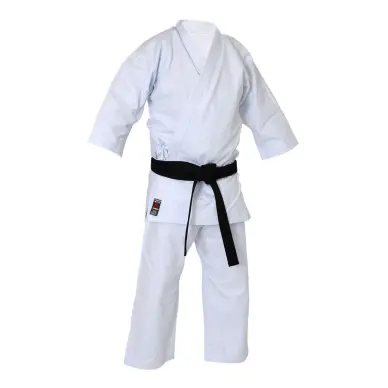

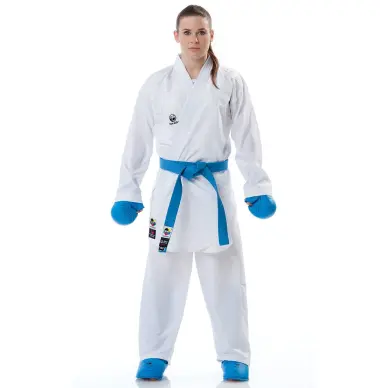

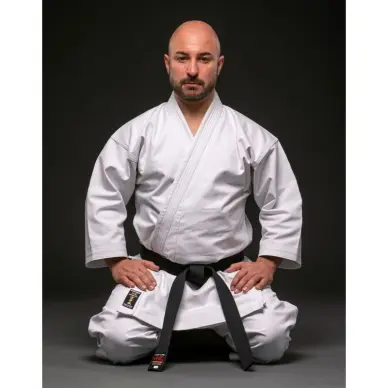

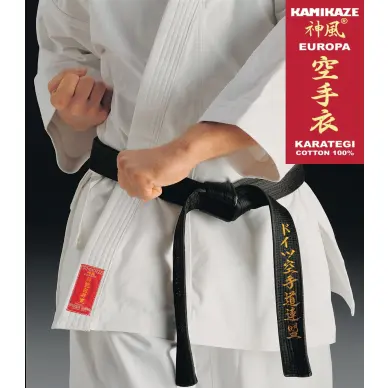
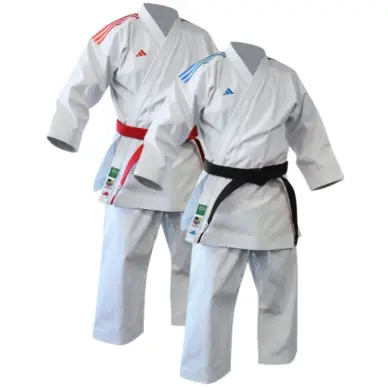

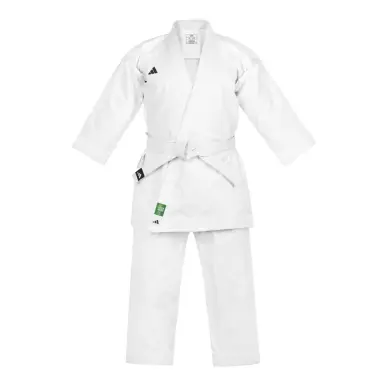
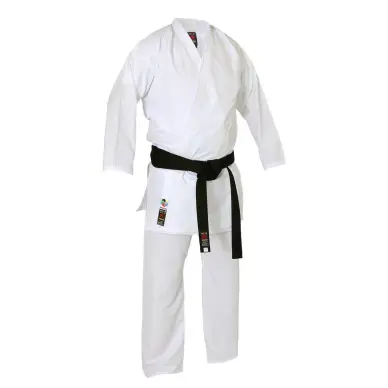
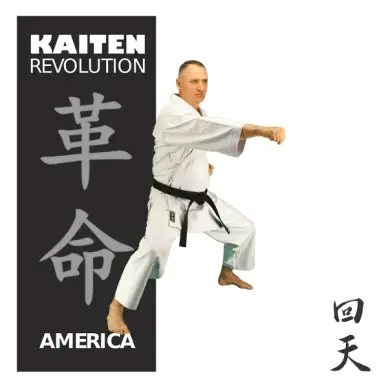

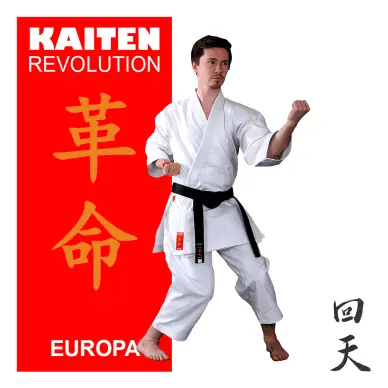
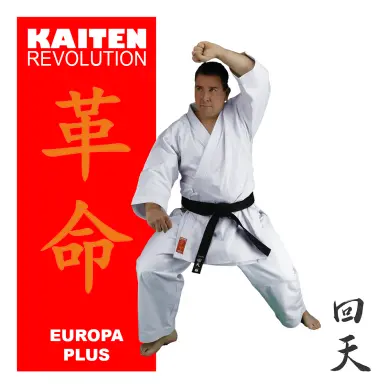
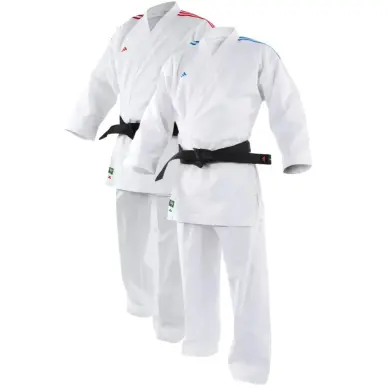
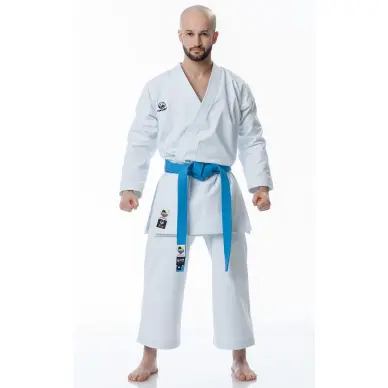
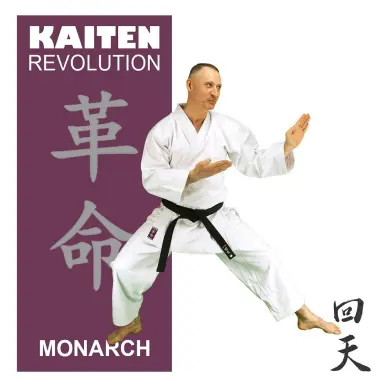
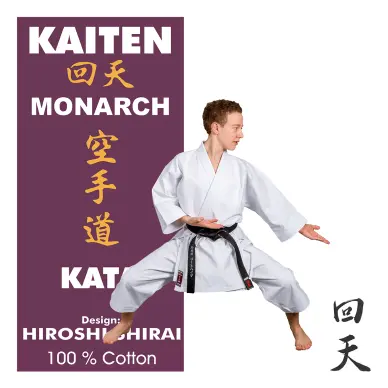
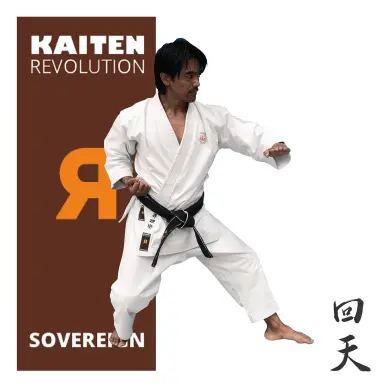
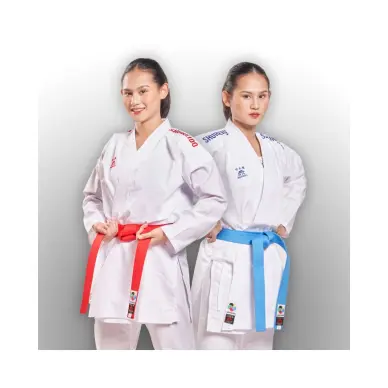
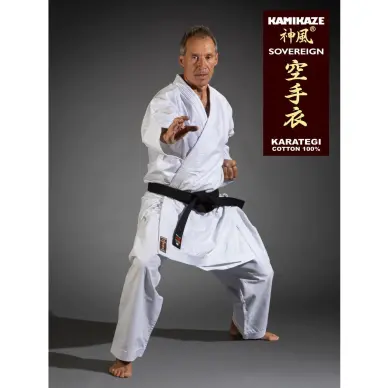
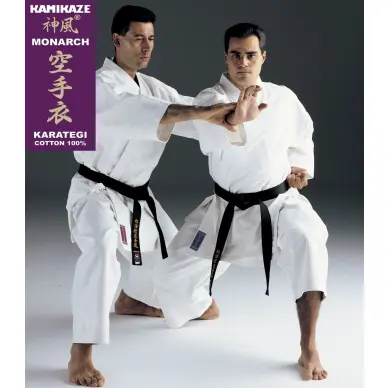
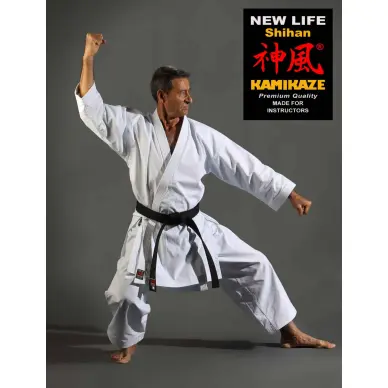
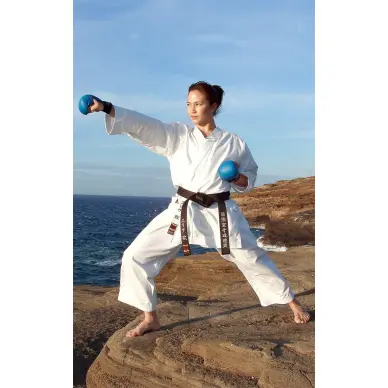
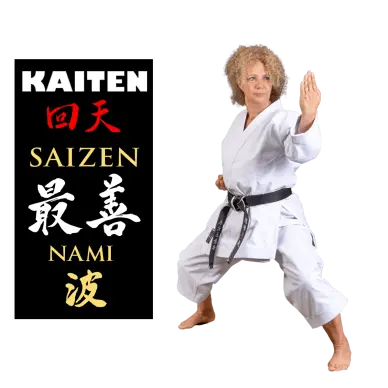
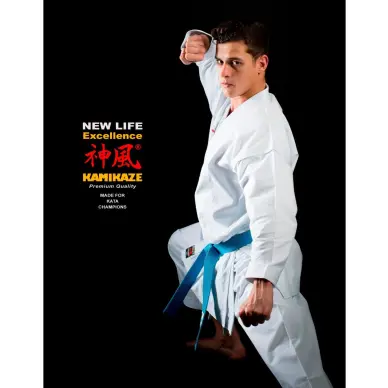
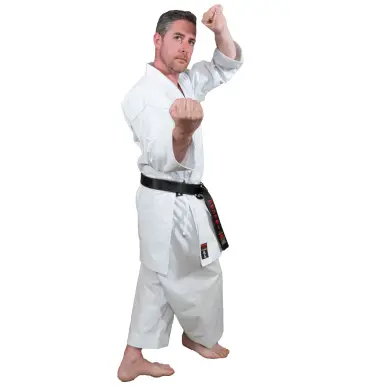
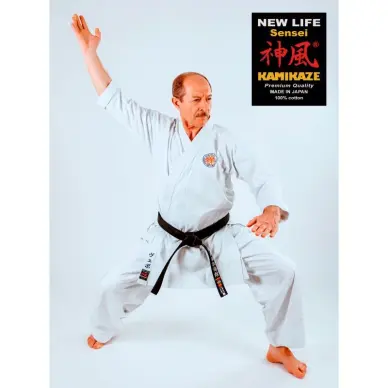
Karate Gis for Kata, Kumite, and Training
Find models suited for Kata, Kumite, and traditional karate from renowned brands like BudoFight, Shureido, Kamikaze, Kaiten, Adidas, and Tokaido. Choose your gi based on your discipline, level, body type, and budget.
At Budo-Fight, discover a wide selection of karate gis, also known as karategis, for children, teens, and adults. Whether you are starting karate, training regularly at a club, or competing, we offer outfits tailored to various levels and budgets.
Our range includes beginner karate gis, traditional models, karategis specifically designed for Kata and Kumite, as well as WKF-approved competition uniforms depending on the references.
The variety of our brands is one of the strengths of our selection. Find notably BudoFight, Shureido, Kamikaze, Kaiten, Adidas, Tokaido, and Hayashi, with different cuts, materials, and finishes.
To complete your outfit, also discover our equipment for the different karate practices.
Which Karate Gi to Choose According to Your Practice?
The choice of a karategi mainly depends on your discipline, level, and desired features. The needs are not the same for traditional training, Kata competition, or Kumite fighting.
Kata Karate Gi: Precision and Fabric Hold
Kata involves performing codified sequences of techniques, with special attention to precision, posture, rhythm, and control of movements.
Kata karate gis generally have a relatively thick and structured fabric, highlighting the positions and executed techniques.
Some models are particularly appreciated for their sound effect, called snap, produced by the fabric during fast movements.
The quality of the canvas, cut, seams, and finishes directly influence the practitioner's feel. High-end Kata karategis are especially sought after by advanced karatekas and competitors.
Kumite Karate Gi: Lightness and Mobility
Kumite refers to karate sparring. It requires quick movements, changes of direction, and great freedom of movement.
Kumite karate gis usually favor lightweight and flexible materials to accompany body movements without hindering foot and hand techniques.
Depending on the models, they can be made from blends of cotton and synthetic fibers, combining lightness, comfort, and ease of care.
For partner training and competitions, also consider mitts suitable for Kumite exchanges, to choose according to your club or federation requirements.
Shureido, Kamikaze, Kaiten, and BudoFight: Brands for All Karatekas
At Budo-Fight, we offer a selection of well-known brands in the world of traditional and sport karate.
Our goal is to allow every practitioner to compare different cuts, compositions, and price ranges, from beginner gis to high-end karategis.
Shureido Gis Made in Japan: Japanese Expertise
Shureido holds a special place in our karate gi assortment.
Originating from Okinawa, this Japanese brand is recognized for the quality of its karategis, meticulous finishes, and traditional craftsmanship.
Shureido karate gis Made in Japan are particularly appreciated by demanding practitioners, especially for Kata.
Depending on the models, they offer 100% cotton fabrics or technical blends, with various cuts and fabric hold characteristics.
Also discover the world of Shureido karategis and their specificities to compare models from this Japanese brand.
Kamikaze Gis: Tradition and Durability
Kamikaze is a brand specialized in karate equipment, appreciated for its fabrics, cuts, and finishes.
Its karategis are aimed at practitioners looking for a gi suited to their discipline, whether traditional karate, regular training, or Kata.
Depending on the models, Kamikaze gis offer different weights and levels of stiffness to meet each karateka’s preferences.
Kaiten Gis: Technicality and Comfort
Kaiten offers karate gis intended especially for regular practitioners and competitors.
The brand stands out with various technical designs, featuring cuts and fabrics adapted to karate’s demands.
Kaiten karategis allow choosing between different feels of fabric hold, flexibility, and freedom of movement depending on the models.
BudoFight, Adidas, Tokaido, and Hayashi: A Varied Selection
With our own brand BudoFight, we offer gis accessible to beginners as well as more technical models for advanced karatekas.
Adidas also offers karategis suited to different levels, including specific references for Kata and Kumite.
Our range also includes specialized brands like Tokaido and Hayashi, allowing you to compare gis with varied features and prices.
This variety is one of Budo-Fight's main strengths: offering uniforms that meet the needs of each practitioner, rather than limiting the choice to a single brand.
Karate Gi for Kata or Kumite: What Are the Differences?
Karate gis for Kata and Kumite do not always share the same characteristics.
Criterion | Kata Gi | Kumite Gi |
|---|---|---|
Fabric | Generally thicker and structured | Generally lighter and more flexible |
Cut | Designed to highlight techniques | Designed to promote mobility |
Feel | Firmer fit, sometimes with a snap effect | Lightweight and great freedom of movement |
Use | Kata and traditional training | Kumite and combat training |
Priority | Precision and presentation of movements | Speed and ease of movement |
These differences are indicative and may vary depending on brands and models.
For versatile training, a classic karate gi offering a good balance between comfort, flexibility, and durability can also be suitable.
WKF-Approved Karate Gis for Competition
At Budo-Fight, you will also find WKF (World Karate Federation) approved karate gis, intended for competitions requiring this certification.
Depending on the references, our range includes specific models for Kata and Kumite.
WKF Karate Gis for Kata
Competition Kata gis generally favor a precise cut, structured fabric, and neat presentation.
Karatekas especially look for a gi that supports their techniques while maintaining good fabric hold.
Some references in our range have WKF approval. Always check the exact certification of the model before your purchase.
WKF Karate Gis for Kumite
Competition gis for Kumite are generally designed to offer lightness, flexibility, and freedom of movement.
Their design supports quick movements and direction changes typical of combat.
WKF approval applies to specific models and does not automatically cover all gis from a brand.
Before a competition, check your federation’s requirements, authorized markings, and any rules regarding attire.
To complete your competition gear, also discover our protective gear suitable for karate training and competitions.
How to Choose the Size, Cut, and Fabric of Your Karate Gi?
Several criteria help you choose a karategi suited to your practice.
What Size Karate Gi Should You Choose?
Karate gi sizes are generally indicated based on the practitioner’s height, for example 150, 160, 170, or 180 cm.
However, sizing can vary depending on manufacturers and models.
A gi that is too large can hinder movement, while a model that is too small may limit range of motion.
Check especially the length of the sleeves, pants, and freedom of movement around the shoulders and hips.
Also consider potential shrinkage after washing, particularly for cotton models.
To help you, consult our practical guide to choosing your karategi size.
Which Material and Weight Should You Prefer?
Karate gis can be made from cotton or fiber blends, including polyester.
Cotton is appreciated for its feel and the traditional sensations it provides. Technical blends can offer different properties in terms of lightness, flexibility, and drying.
Weight, expressed in g/m², indicates the fabric mass per unit area.
A lightweight fabric generally suits training requiring high mobility, while a thicker, structured canvas is often preferred for Kata.
However, the quality of a gi does not depend solely on its weight. The cut, weaving, seams, and reinforcements are also important.
Which Gi to Choose According to Your Level?
To start karate, choose a comfortable gi that is easy to maintain and fits your budget.
Regular practitioners may look for a more durable uniform or a cut better suited to their style.
For competitors, the choice may focus on a karategi specific to Kata or Kumite, with approval when required.
If you are undecided between several models, also check out our tips for comparing different types of karate gis.
Karate Gis for Kids and Adults
Our selection includes karate gis suitable for young practitioners as well as adult karatekas.
Children's Karate Gi: Comfort and Simplicity
For a child discovering karate, choose a lightweight, flexible, and comfortable outfit.
An introductory gi allows learning stances and techniques without being hindered by stiff fabric.
For the youngest, elastic-waist pants can make dressing easier and offer more autonomy.
Choose a size that fits the child’s current body shape rather than an excessively large gi. Sleeves that are too long or pants that drag can interfere with movement.
Cotton models and fabric blends each have advantages depending on their cut, design, and care instructions.
For competition, check with the club about the requirements applicable to your child’s age category.
Adult Karate Gi: Men and Women
The majority of karate gis are unisex and can suit both men and women.
The choice mainly depends on body shape, size, cut, and the practiced discipline.
Some manufacturers offer specific adjustments depending on the model.
Whether you are looking for a training karategi or a technical competition model, always prioritize comfort and freedom of movement.
The Karategi: An Outfit Rooted in Karate Tradition
The karate gi, called karategi, is the traditional outfit worn during training and competitions.
Its development is linked to the history of karate in Okinawa and its spread to Japan, notably under the influence of Gichin Funakoshi.
The modern outfit also draws inspiration from clothing used in other Japanese martial arts.
A karategi generally includes a jacket (uwagi), pants (zubon), and a belt (obi).
Today, the white gi remains closely associated with the traditional values of karate, including respect, discipline, and perseverance.
Which Belt to Choose with Your Karate Gi?
The karate belt, called obi, holds the karategi jacket in place and represents the practitioner’s rank.
Progression usually starts with the white belt and continues through various colors according to the club, school, or federation rules.
To complete your gi, discover our selection of belts suited to different karate ranks.
The belt length should allow wrapping around the waist, tying the knot properly, and letting both ends hang down.
To determine the length suited to your body, also consult our guide to choosing your belt size.
What’s the Difference Between a Karate Gi and a Judo Gi?
Although the two outfits share some similarities, they meet different technical requirements.
The karate gi is designed to accommodate strikes, blocks, kicks, and quick movements.
The judo gi, called judogi, usually features thicker fabric and reinforced construction to withstand grips and throws.
The cut and fabric characteristics also vary according to the discipline.
To compare the two types of outfits, also check out our models intended for judo practice.
It is best to choose a gi specifically adapted to the martial art practiced.
Customization and Care of Your Karate Gi
Customizing Your Karategi
Depending on the models and available options, it is possible to personalize certain karate gis with embroidery.
You can consider adding a name or your club’s logo.
For official competitions, always check the rules regarding allowed markings and inscriptions.
How to Care for Your Karate Gi?
Regular care helps maintain the comfort, appearance, and lifespan of your karategi.
Follow the manufacturer’s washing instructions, especially for cotton models that may shrink.
Avoid excessive washing or drying temperatures when not recommended and let your outfit dry completely before storing it.
After each training, take your gi out of the bag to prevent it from staying damp.
To carry your karategi, belt, and accessories, find our practical bags for karate training.
FAQ – Karate Gis
Which Karate Gi to Choose for Beginners?
A relatively lightweight, comfortable karategi suited to your size is generally a good first choice. Opt for a training model offering a good balance between quality and budget.
Which Karate Gi to Choose for Kata?
For Kata, many practitioners look for structured fabric, precise cut, and good movement retention. Brands like Shureido, Kamikaze, and Kaiten notably offer specialized models.
Which Karate Gi to Choose for Kumite?
For Kumite, choose a lightweight, flexible, and comfortable karate gi that allows quick movement and execution of techniques without restriction.
Is a WKF-approved gi mandatory?
WKF approval is required when the competition rules demand it. It is not systematically mandatory for all training sessions or competitions.
What is the best karate gi brand?
There is no universally best brand. Shureido is especially renowned for its Made in Japan gis, while Kamikaze, Kaiten, Adidas, BudoFight, and other manufacturers offer models suited to different levels and budgets.
Is a karate gi suitable for both men and women?
Yes, most karate gis are unisex. The choice mainly depends on body shape, size, and the cut of the model.
At Budo-Fight, discover a wide range of karate gis for beginners, children, regular practitioners, and competitors. From traditional karategi to technical models for Kata or Kumite, choose an outfit adapted to your discipline and goals.